
Planting
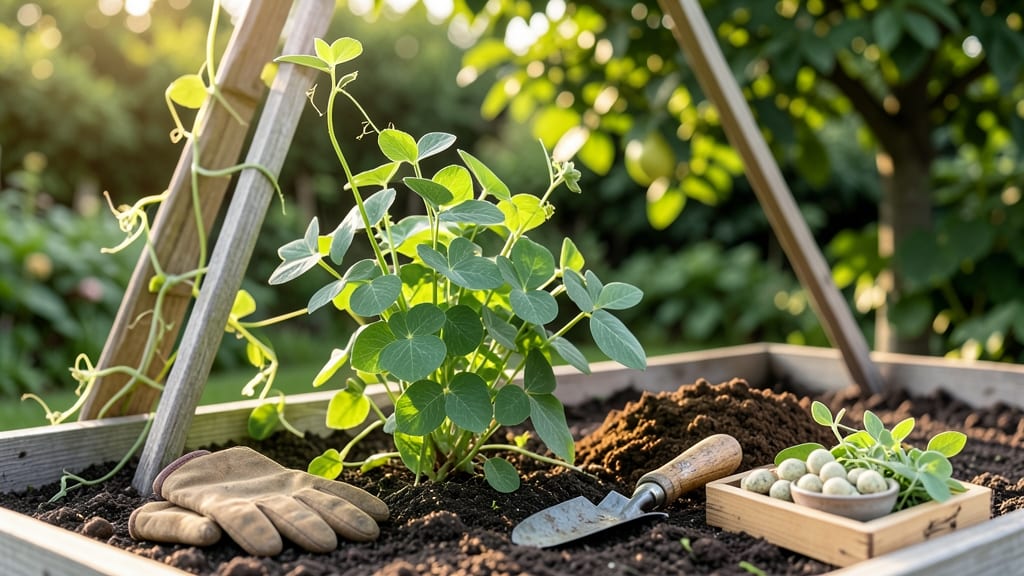
Planting garden peas at the right time means the difference between a fast, bountiful harvest and a sad, stunted garden.
Garden peas thrive in cool weather and can even survive light frosts—but planting them too early or late ruins your harvest. Timing is everything for fast, abundant sprouts and pods.
If you’re in Zone 6a or similar, aim for early spring or late winter, about 4-6 weeks before your last frost. That’s usually March or April, when soil temps hit 45-50°F.
Below, I’ll break down the best planting windows for your region, how to prep soil for speedy germination, and the 3 biggest mistakes that kill pea growth before it starts.
Best planting windows for garden peas by US growing Zones
Garden peas are one of the most frost-tolerant vegetables you can grow, making them perfect for early spring or late fall plantings.
However, timing varies dramatically by USDA growing zone—plant too early in warm zones, and your seeds rot; plant too late in cold zones, and you miss the window for harvest. Let’s break down the ideal planting windows for each zone to ensure fast, healthy sprouts and a bountiful harvest.
For cool climates (Zones 3-5), peas thrive in late winter or early spring, often starting as soon as the ground is workable. In warmer zones (6-10), focus on fall plantings to avoid summer heat stress.
Some varieties, like ‘Sugar Ann’ or ‘Green Arrow’, are especially cold-hardy and adaptable, while others, like ‘Oregon Sugar Pod’, prefer milder conditions. Always check your seed packet for days to maturity to align planting with your first frost date.
| USDA Zone | Spring Planting Window | Fall Planting Window | Frost Tolerance | Best Varieties |
|---|---|---|---|---|
| Zones 3-4 | Late March to mid-April (4-6 weeks before last frost) | Late August to early September (8-10 weeks before first frost) | Survives 20-25°F with mulch | ‘Early Perfection’, ‘Lincoln’ |
| Zones 5-6 | Early April to mid-May | Mid-September to early October | Survives 15-20°F | ‘Sugar Snap’, ‘Oregon Sugar Pod’ |
| Zones 7-8 | Late February to early March (avoid summer heat) | September to mid-October | Survives 10-15°F briefly | ‘Tom Thumb’, ‘Mammoth Melting Sugar’ |
| Zones 9-10 | Avoid spring (too hot); opt for fall only | August to early September | Survives 30-35°F with shade | ‘Sugar Sprint’, ‘Dwarf Grey Sugar’ |
In Zones 3-4, where winters are harsh, plant peas as soon as the soil is workable—often in late March or early April. Use row covers or cold frames to extend the season.
For Zones 5-6, aim for early April to mid-May, ensuring soil temperatures reach 45-50°F for optimal germination. In these zones, a fall planting in September can yield a second harvest before winter sets in.
Gardeners in Zones 7-8 have a unique advantage: they can plant peas in late winter (February-March) for an early spring crop or in fall (September-October) to avoid summer heat. Choose dwarf varieties like ‘Tom Thumb’ for containers or small spaces.
In Zones 9-10, spring planting is risky due to heat, so focus solely on fall plantings in August-September. Use shade cloth to protect young plants from intense sun.
Always adjust your planting window based on microclimates in your garden. A north-facing bed stays cooler longer, while a south-facing area warms up faster. If you’re unsure about frost dates, use a soil thermometer to confirm temperatures are 40-85°F—peas won’t germinate well outside this range.
For succession planting, sow seeds every 2-3 weeks to ensure a continuous harvest.
Pro tip: If you’re in a warmer zone (7-10) and want to try spring planting, opt for shorter-day varieties like ‘Sugar Sprint’ and plant in partial shade. Mulch with straw to keep roots cool and retain moisture.
In colder zones, harden off seedlings gradually before transplanting to prevent shock. With the right timing, you’ll enjoy sweet, tender peas for weeks!
Remember, peas are self-pollinating, so spacing matters. Plant seeds 1-2 inches deep and 2-4 inches apart, with rows 18-24 inches apart for vining varieties. Use trellises or cages to save space and improve air circulation. Happy planting—your garden will thank you with a bountiful pea harvest!
🌱
How to time pea planting for fastest germination and growth
Pea seeds germinate fastest when planted in soil temperatures between 40°F and 85°F, but the ideal range for speed is 50°F to 70°F. Cooler soil slows sprouting, while soil above 85°F can cause seeds to rot before emerging.
Checking soil temperature with a thermometer ensures you plant at the perfect moment for quick, uniform growth.
Moisture is just as critical as temperature—consistently damp soil (not soggy) triggers faster germination. I like to water the soil 24 hours before planting and keep it moist until sprouts appear. A light misting in the morning helps maintain even moisture without drowning seeds.
🌱 5 Key Steps for Fastest Pea Germination
- 🌡️ Test soil temperature—aim for 50°F+ before planting.
- 💧 Soak seeds overnight in water to kickstart hydration.
- 🌱 Plant 1 inch deep in loose, well-draining soil.
- 🌿 Use row covers to retain warmth and moisture.
- ☀️ Provide 6+ hours of sunlight daily for vigorous growth.
Pre-sprouting seeds with soaking or chitting can shave days off germination time. I recommend soaking pea seeds in lukewarm water for 4-6 hours before planting—they’ll plump up and sprout faster. For chitting, place seeds between damp paper towels in a 60°F environment until roots form (about 2-3 days), then transplant.
After planting, cover rows with lightweight fabric to protect young sprouts from cold snaps or drying winds. This trick works wonders in Zone 3-5 climates, where early springs can be unpredictable. Remove covers once plants reach 3-4 inches tall to prevent overheating.
Peas grow fastest when transplanted at the 2-leaf stage if started indoors. Harden off seedlings by placing them outdoors for 2-3 hours daily before full transplantation. This gradual adjustment reduces shock and keeps them growing strong from day one.
Monitor soil moisture closely—drought stress stalls growth, while overwatering causes rot. A drip irrigation system or soaker hose keeps roots consistently moist without flooding. Mulch with straw to retain moisture and suppress weeds, which compete for nutrients.