
Tools
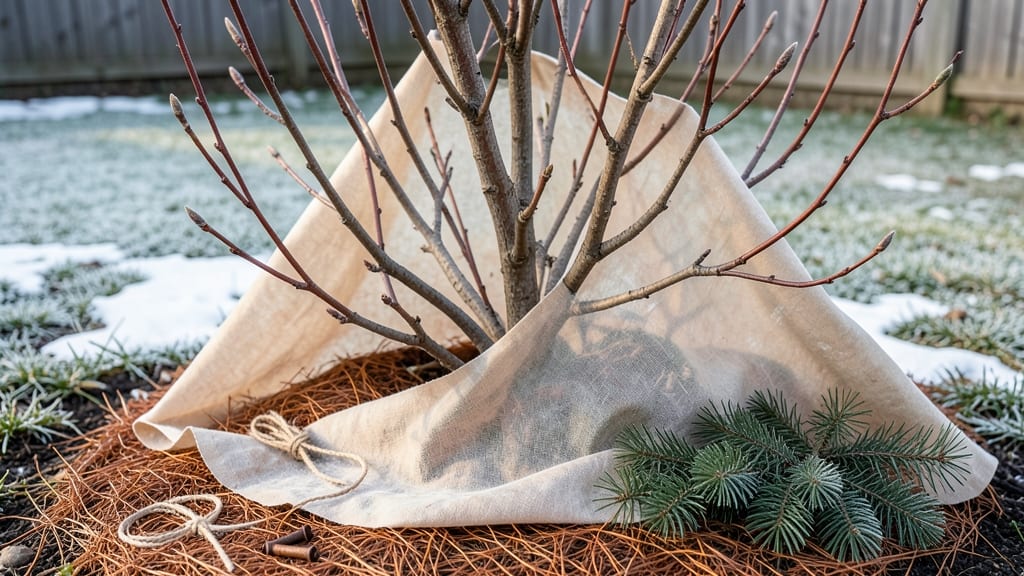
Winter protection for your garden is all about shielding plants from frost, wind, and snow before the first freeze hits ❄️—and the right wraps make all the difference between a dead plant and a thriving one next spring.
Picture this: You’ve spent months nurturing your garden, and then a single hard frost wipes out everything in a night. It’s heartbreaking, but with the right winter protection, you can keep your plants safe until warmer weather returns.
Whether you’re dealing with tender perennials, young trees, or delicate herbs, the key is using the right materials—like burlap, fleece, or bubble wrap—to insulate without trapping moisture. Timing matters too: apply wraps before the first frost in Zone 6a, and you’ll avoid common mistakes that ruin protection efforts.
In this guide, I’ll walk you through the best wraps for different plants, how to layer them for maximum protection, and the 5 mistakes that turn good intentions into wasted effort. Let’s keep your garden alive through winter!
How frost-resistant garden wraps work and when to use them
Frost-resistant garden wraps act like a cozy blanket for your plants, trapping heat and blocking harsh winds that can freeze tender foliage. These wraps work through a combination of insulation and wind protection, creating a microclimate that keeps temperatures just above freezing.
Unlike plastic sheets, which can trap moisture and cause rot, quality wraps breathe while still providing protection.
Understanding the difference between insulation and windbreak is key. Insulation materials like fleece wraps or bubble wrap slow heat loss from plant surfaces, while windbreaks like burlap or heavy fabric reduce wind chill, which can be just as damaging as frost itself.
For example, a 20°F night with no wind might be survivable, but add 15 mph winds, and your plants face 5°F conditions.
The best materials depend on your climate and plant types. Fleece wraps (like Reemay) are lightweight and breathable, ideal for herbs and tender perennials. Burlap offers sturdy wind protection for shrubs and small trees, while bubble wrap provides extra insulation for citrus or roses in Zone 7 or colder.
Each material has trade-offs—fleece is flexible but less durable, while burlap is tough but heavier.
Timing is everything when it comes to applying winter wraps. For most regions, start 4-6 weeks before the first frost, especially for tender plants like lavender or hostas. If a hard freeze (below 20°F) is forecasted, wrap immediately—even established plants like roses or citrus need extra protection.
Pro tip: Use a thermometer to monitor soil temperatures; wraps work best when soil stays above 28°F.
Here’s how different wraps regulate temperature for sensitive plants:
| Wrap Type | Best For | Temperature Regulation | Wind Protection | Breathability |
|---|---|---|---|---|
| Fleece Wraps (Reemay) | Herbs, tender perennials, seedlings | +5°F to +10°F above ambient | Moderate (lightweight) | High (prevents rot) |
| Burlap | Shrubs, small trees, roses | +3°F to +7°F above ambient | High (sturdy fabric) | Moderate (needs ventilation) |
| Bubble Wrap | Citrus, tropical plants, roses | +10°F to +15°F above ambient | Low (flexible but thin) | Low (can trap moisture) |
| Straw or Mulch | Vegetables, perennials, bulbs | +2°F to +5°F above ambient | None (ground cover) | High (natural airflow) |
For roses, layering is your best friend. Start with a 3-inch layer of mulch around the base to insulate roots, then wrap the canes with burlap or fleece.
Secure loosely with twine—too tight, and you’ll restrict growth. Citrus trees in pots need extra care: Wrap the pot in bubble wrap, then cover the plant with fleece, leaving room for air circulation at the top.
Move pots to a sheltered spot or garage if temperatures drop below 25°F.
Herbs like basil or cilantro can’t handle frost at all, so treat them like annuals. Use mini cloches or clear plastic domes to trap heat, but remove them during the day to prevent overheating.
For lavender, a heavy fleece wrap is sufficient—just ensure it doesn’t touch the foliage, which can cause rot. Always check wraps after a frost to remove any ice buildup or condensation.
Remove winter wraps gradually in early spring, starting with the most cold-hardy plants first. Wait until daytime temperatures consistently stay above 40°F before unwrapping roses or citrus, as sudden warmth can shock dormant plants.
Monitor for pests like spider mites, which thrive in the sheltered microclimate under wraps. A quick spray with neem oil can keep them at bay.
Protecting your garden with wraps isn’t just about surviving winter—it’s about setting your plants up for a stronger spring. With the right materials and timing, you’ll see healthier foliage, faster blooms, and even larger yields next season.
Start experimenting with wraps this fall, and you’ll be amazed at what your garden can endure.
Best winter wraps for different plant types: a plant-specific guide
Not all plants need the same winter protection, and using the wrong wrap can do more harm than good. For example, woody perennials like roses or fruit trees thrive with burlap wraps that allow airflow, while tender perennials such as hostas or lavender require breathable fleece blankets to prevent rot.
Vegetables like kale or carrots benefit from lightweight row covers that let sunlight through while blocking frost.
Choosing the right material and application method depends on your plant's hardiness zone, size, and moisture needs. Commercial wraps offer convenience, but DIY solutions like old sweaters or cardboard tubes can work just as well for budget-conscious gardeners. The key is balancing insulation with ventilation to avoid trapping harmful moisture.
Here’s a quick guide to match your plants with the perfect winter wrap:
| Plant Type | Best Wrap | Application Tips | When to Use |
|---|---|---|---|
| Woody Perennials (Trees, Shrubs) | Burlap or Tree Wraps | Wrap snugly around trunk/stems; secure with twine. Avoid plastic. | Before first frost; remove in early spring. |
| Tender Perennials (Hostas, Lavender) | Fleece Blankets or Straw Mulch | Layer over plants; leave space at soil level for airflow. | After first light frost; remove when buds swell. |
| Vegetables (Kale, Carrots) | Row Covers or Bubble Wrap | Secure edges with bricks or soil; use stakes for support. | Before hard freezes; remove during warm days. |
| Herbs (Rosemary, Thyme) | Cardboard Tubes or Plastic Pots | Cover entire plant; add mulch around base for insulation. | When temps drop below 20°F. |
For woody perennials, I recommend using burlap wraps or commercial tree guards. These allow moisture to escape while shielding bark from winter sunburn and rodent damage.
Secure the wrap loosely—too tight can girdle stems as they expand in spring. Add a layer of mulch at the base to regulate soil temperature.
Tender perennials like hostas and lavender need gentle protection. A fleece blanket or straw mulch works best, as it mimics natural snow cover. Avoid plastic, which traps moisture and invites rot. If using a blanket, prop it up slightly with sticks to prevent direct contact with leaves.
Vegetables like kale and carrots can handle cold but need shelter from freezing winds. Lightweight row covers or even bubble wrap (for small plants) work well. For larger beds, use hoop tunnels covered with frost cloth. Always secure edges to prevent wind from tearing the cover.
Pro tip: Check your wraps every few weeks for pests or mold. If you notice condensation inside, remove the wrap for a day to air out. Most wraps can stay in place until late winter, but remove them as soon as buds begin to swell in spring.
With the right wrap, your garden can survive even the harshest winters—ready to burst back to life when spring arrives! 🌱