
How To
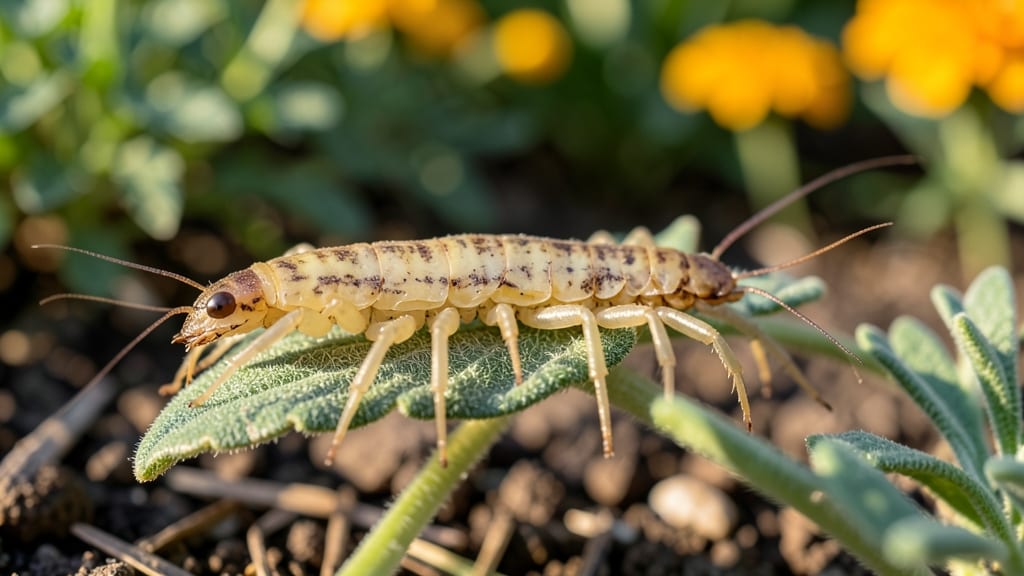
Centipedes in gardens aren't inherently bad—they're natural pest controllers that target slugs, snails, and soft-bodied insects, but overpopulated areas may see them occasionally preying on earthworms or beneficial larvae.
These multi-legged hunters are actually garden helpers in most cases, especially when they're keeping slug populations in check. 🌱 The key is balance—while they primarily feast on destructive pests, their appetite for earthworms becomes noticeable only when their numbers explode.
I've found that a few centipedes per square yard is normal, but if you start seeing them in large groups or noticing fewer earthworms in your soil, it's time to reassess their population.
What makes them particularly valuable is their hunting strategy: they're ambush predators that don't rely on chemicals or tilling to control pests. Their presence often indicates a healthy ecosystem where natural pest control is already at work.
The challenge comes when gardeners mistake them for harmful creatures—many people automatically reach for pesticides when they spot these fast-moving insects.
💡 In This Article
- Centipede Diet: Garden Allies or Hidden Threats?
- When and How to Manage Centipede Populations
Centipede diet: garden allies or hidden threats?
Centipedes are nocturnal hunters with a diet primarily composed of soft-bodied garden pests like slugs, snails, and insect larvae.
Their hunting strategy involves using venomous front legs to paralyze prey, making them highly effective at controlling populations of creatures that would otherwise devastate plants. 🌿 For example, a single centipede can consume up to 100 slug eggs in a week, which translates to significant protection for your leafy greens and young seedlings that slugs love to munch on.
Their venom isn't just for show—it contains neurotoxins that quickly immobilize prey, allowing centipedes to feed on creatures that are often resistant to other natural predators. This makes them particularly valuable in organic gardening where chemical pesticides are avoided.
Studies show that garden plots with natural centipede populations experience up to 40% fewer slug damages compared to plots without them. However, their diet isn't exclusively beneficial—they'll also target earthworms when other prey is scarce, which is why their population control becomes important.
What's fascinating about their ecological role is how they contribute to soil health. While they do occasionally feed on earthworms (which are generally beneficial for soil aeration), their primary impact is reducing pest populations that would otherwise require chemical intervention.
The key is their hunting selectivity—they prefer slugs and soft insects over hard-bodied beetles or beneficial insects like ladybug larvae. This selectivity makes them more of a garden ally than a threat in most cases.
You'll notice their presence most at night when they actively hunt, though they may venture out during damp conditions. Their hunting patterns create a natural balance in garden ecosystems, similar to how spiders control insect populations but with a different prey preference.
The challenge arises when gardeners mistake their occasional predation on earthworms for a general threat—what's actually happening is a sign of an overpopulated centipede colony rather than their normal behavior.
Consider this comparison: a garden with 5-10 centipedes per square yard is likely benefiting from their pest control services, while one with 20+ may be experiencing an imbalance where they're starting to impact earthworm populations.
The visual difference is noticeable—you'll see fewer slug trails and more centipede sightings during daytime in overpopulated areas. This is your cue that their numbers need monitoring rather than immediate eradication.
Their ecological role extends beyond just pest control—they help break down organic matter as detritivores when other food sources are limited. This means they contribute to nutrient cycling in the soil, though their primary impact remains as predators.
The balance between their benefits and occasional drawbacks comes down to population density and garden ecosystem health. 🌱