
Pests
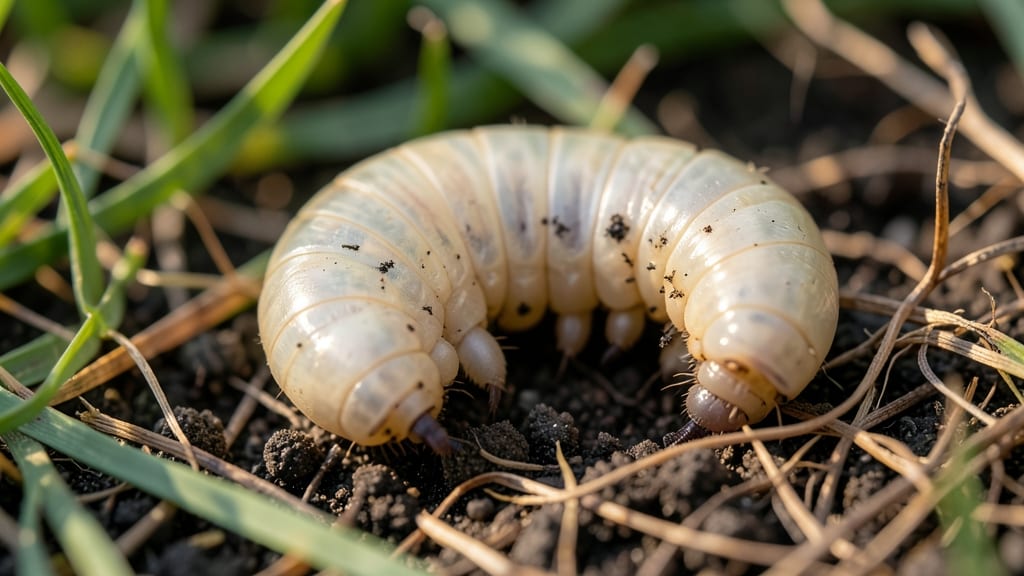
Grubs are bad for your garden because they devour plant roots, leading to wilting, yellowing foliage, and plant death as beetle larvae chew through root systems like Japanese beetle and June bug grubs.
These destructive larvae thrive in moist soil, often going unnoticed until plants show stress symptoms like brown patches or stunted growth. 🌱 The damage occurs most severely in lawns and garden beds where roots are their primary food source, making them particularly harmful during active growth seasons.
Without intervention, grubs can completely undermine plant health by severing critical nutrient pathways.
What makes this problem worse is their lifecycle—adult beetles lay eggs in spring, which hatch into root-munching grubs by summer, creating a two-year cycle of potential destruction. The key to protecting your garden lies in early detection and proactive control measures before these pests reach their most damaging larval stage.
💡 In This Article
- How Grubs Damage Garden Plants and Soil
- Natural Grub Control Methods for Healthy Gardens
How grubs damage garden plants and soil
Grubs begin their destructive lifecycle as eggs laid by adult beetles like Japanese beetles or June bugs in late spring or early summer. These eggs hatch into C-shaped larvae within 10-14 days, and the newly emerged grubs immediately start feeding on plant roots.
Their mandibles can slice through roots as thin as 0.5mm, creating entry points for fungal infections while severing critical nutrient pathways.
The damage escalates as grubs grow to 1-1.5 inches long over 2-3 years, depending on species. Their feeding patterns create distinct symptoms: brown patches in lawns (where grass dies back in irregular shapes), stunted growth in garden plants, and roots that pull away easily when uprooted.
What's particularly insidious is how grubs target the crown of plants—the junction where roots meet stems—where damage is often fatal.
Beyond direct root consumption, grubs disrupt soil structure by tunneling, which creates air pockets that prevent proper water absorption. This leads to drought stress even in well-watered gardens.
The worst infestations occur in moist, well-drained soils (ideal for grub survival) during late summer to early fall, when plants are already stressed by heat. A single square foot of lawn can harbor 50-100 grubs during peak season, making early intervention critical.
What makes this lifecycle so challenging is the beetle-adult stage. When grubs pupate in spring, they emerge as adults to repeat the cycle, often flying 1-2 miles to lay eggs in new areas. This mobility means infestations can spread rapidly unless controlled during the larval stage.
The key to protection lies in understanding these patterns—grubs are most vulnerable when they're actively feeding, not when they're eggs or pupae.
Consider this comparison: A healthy lawn has 10-20 grubs per square yard without noticeable damage. At 30+ grubs per square yard, you'll start seeing symptoms. By 50+ grubs, plants may die back completely in affected areas.
The damage isn't just cosmetic—it's structural, cutting off a plant's lifeline to water and nutrients.
One often-overlooked aspect is how grubs create ideal conditions for other pests. Their tunneling disrupts soil microorganisms, reducing beneficial bacteria and fungi that help plants absorb nutrients. This secondary effect means even if you eliminate the grubs, your soil may need 6-12 months to recover its natural balance.
The most effective gardens treat grub damage as both a symptom and a catalyst for broader soil health issues.