
Size
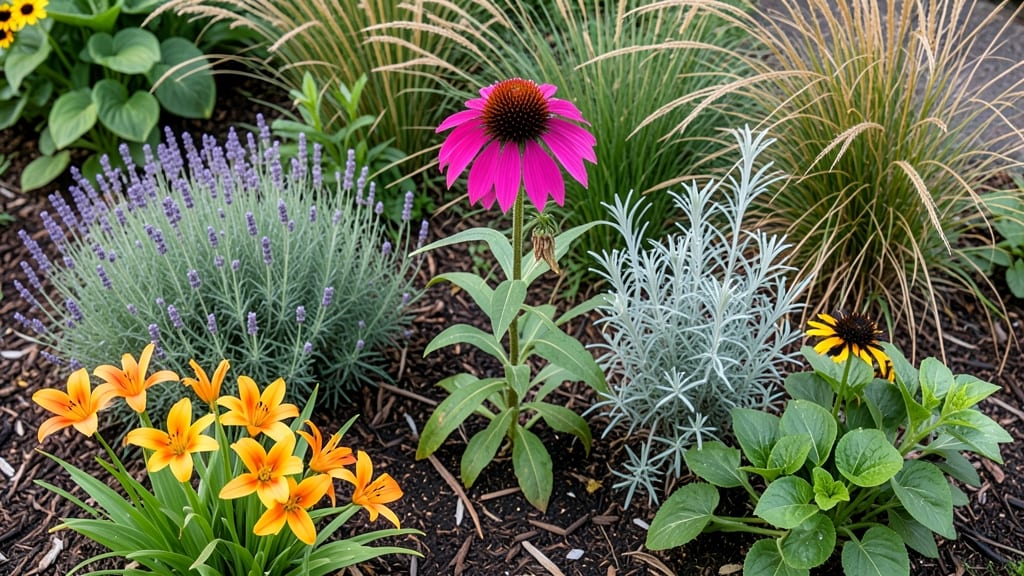
The average size of a garden varies significantly by yard type, with urban plots typically spanning 200 to 500 square feet, suburban yards ranging from 500 to 1,500 square feet, and rural or large-scale spaces exceeding 1,500 square feet to accommodate diverse planting goals.
Garden size directly impacts what you can grow and how you design your space.
Urban gardeners often maximize vertical growing or use raised beds to fit more plants into limited areas, while suburban yards provide room for both vegetables and decorative plants. 🌱 Rural gardens can support larger crops, orchards, or even small livestock, but even these need strategic planning to avoid overcrowding.
The key is matching your garden's dimensions to your goals—whether that's fresh herbs on a balcony or a full-scale vegetable harvest.
For small spaces, container gardening or trellises can double your growing capacity without expanding your footprint. Larger gardens benefit from proper row spacing and irrigation systems to maintain productivity. Many gardeners find that starting with a manageable size—like a 4x8-foot raised bed—helps balance ambition with practicality until they gain experience.
💡 In This Article
- How Garden Size Affects Plant Selection and Layout
- Optimizing Small vs. Large Garden Spaces for Maximum Yield
How garden size affects plant selection and layout
Garden size fundamentally reshapes what you can grow and how you arrange it. In urban gardens (200-500 sq ft), space is so precious that gardeners often prioritize high-value crops like leafy greens, herbs, and compact vegetables.
These plants thrive in containers or raised beds, where every inch counts. For example, a single 4x4-foot raised bed can yield 20-30 pounds of tomatoes if properly managed, but only if you choose dwarf varieties like 'Tiny Tim' instead of standard-sized plants that need 2-3 feet of space each.
The layout becomes a puzzle of vertical growing—trellises for cucumbers, hanging baskets for strawberries, and tiered shelves for microgreens.
The transition to suburban yards (500-1,500 sq ft) introduces new possibilities, like dedicated rows for root vegetables or fruit trees spaced 12-15 feet apart. Here, companion planting becomes strategic—marigolds beside tomatoes to deter pests, or basil near peppers to enhance flavor.
The soil depth matters too: suburban plots often allow for deeper-rooted crops like carrots or asparagus, which need 12+ inches of loose soil to thrive. Without this depth, you're limited to shallower-rooted plants like lettuce or radishes, which can grow in just 4-6 inches of soil. 🌱
In rural gardens (1,500+ sq ft), the game changes entirely. Now you can experiment with larger crops like corn (needing 12-inch spacing between plants) or even small livestock like chickens, which require 4-8 sq ft per bird in a coop.
The layout shifts from intimate raised beds to wide rows or even contour planting to prevent erosion. Irrigation systems—like drip lines or soaker hoses—become essential to manage water efficiently across vast areas.
Without proper spacing, you risk stunted growth from competition for nutrients or increased disease spread due to poor airflow.
What most people overlook is how maturity size of plants dictates layout. A bush bean plant might start small but sprawl to 18 inches wide at maturity, while a determinate tomato stays compact at 2 feet tall.
Mixing these without planning leads to crowded conditions where plants compete for sunlight. Urban gardeners solve this with interplanting—growing fast-maturing crops like radishes between slower ones like carrots—while rural gardeners use wide-row planting to maximize space efficiency.
Consider this real-world example: A 10x10-foot urban garden (100 sq ft) can produce 50 pounds of potatoes if planted in rows with 12-inch spacing, but only 10 pounds if planted too closely.
The same space could yield 20 pounds of bush beans if given proper airflow, versus just 5 pounds if overcrowded. The math shows how size directly impacts yield—and why layout isn't just about aesthetics.
For those with limited space, vertical gardening can add 30-50% more growing area without expanding your footprint. A simple 6-foot trellis can support 20-30 pounds of pole beans, while wall-mounted planters free up ground space for other crops.
The key is matching your garden's dimensions to your goals—whether that's fresh herbs on a balcony or a full-scale vegetable harvest in a suburban yard.