
Advice
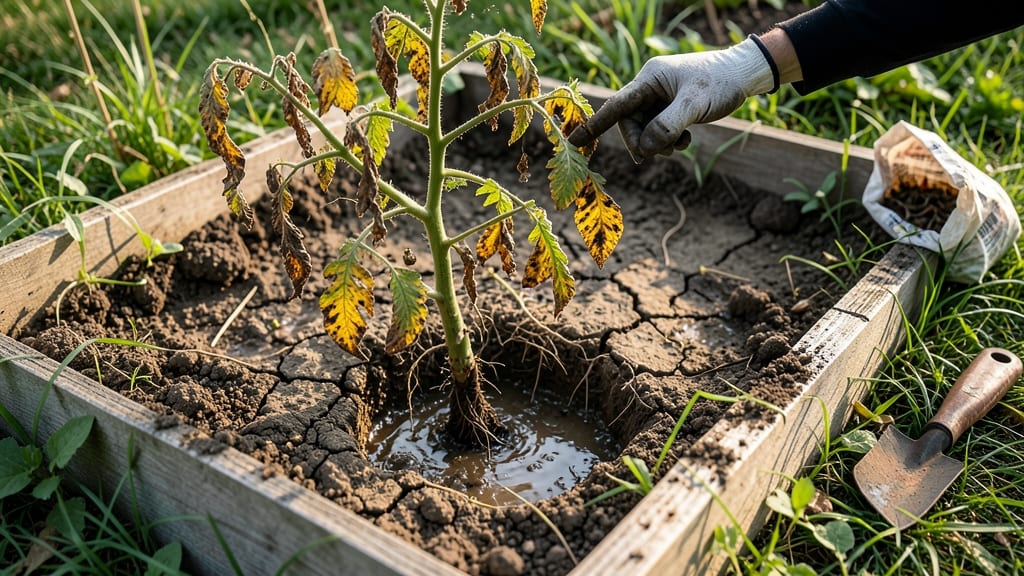
The disadvantages of raised bed gardening include higher upfront material costs, soil drying out faster than in-ground gardens, and limited space for deep-rooted vegetables. You'll also face drainage risks and more weed growth along bed edges, requiring extra maintenance.
Raised beds lose moisture at a faster rate because they're exposed to wind and sun on all sides, unlike in-ground soil which benefits from natural ground insulation. 🌞 This means you'll need to water more frequently—sometimes daily during hot weather—unless you invest in expensive irrigation systems.
The soil composition matters too: raised beds often rely on lighter mixes that drain quickly, which can be problematic for moisture-loving plants like lettuce or spinach.
Beyond watering challenges, the initial investment can be steep depending on materials. Cedar planks may resist rot but cost more upfront, while cheaper alternatives like pressure-treated wood can leach chemicals into your soil over time.
And don't forget the long-term upkeep: you'll need to replenish nutrients annually and reinforce edges as wood ages, adding to your workload compared to traditional gardening methods.
💡 In This Article
- Why Raised Beds Dry Out Faster Than In-Ground Soil
- Cost and Maintenance Trade-Offs in Raised Bed Gardening
Why raised beds dry out faster than in-ground soil
The primary reason raised beds lose moisture so quickly lies in their exposure to environmental elements. Unlike in-ground soil, which benefits from natural insulation and moisture retention from surrounding earth, raised beds are fully exposed to wind, sun, and evaporation on all sides.
This exposure increases the surface area where water can escape, often by 30-50% more than in-ground plots. For example, a 4' x 8' raised bed might lose 1-2 gallons of water per day during peak summer heat, requiring daily watering for thirsty plants like tomatoes or peppers.
The soil composition in raised beds also plays a critical role. Most gardeners use a mix of 60% topsoil, 30% compost, and 10% perlite or vermiculite for drainage, but this lighter blend drains faster than native soil.
Organic matter breaks down more quickly in raised beds due to increased oxygen exposure, reducing water-holding capacity over time. Plants with shallow roots, like lettuce or radishes, adapt better, but deep-rooted varieties such as carrots or asparagus struggle to access moisture in the lower layers where evaporation is less intense.
Bed dimensions further impact moisture loss. Narrower beds (3-4 feet wide) dry out faster because the center receives less shade from surrounding plants, while wider beds (> 4 feet) create microclimates where the middle stays moister. The edges, exposed to direct sunlight, can become bone-dry within hours.
This is why mulching with 2-3 inches of straw or wood chips becomes essential—it reduces evaporation by up to 40% while suppressing weeds, but it requires consistent replenishment as it decomposes.
Another often-overlooked factor is the thermal mass difference. In-ground soil absorbs and retains heat from the earth below, moderating temperature swings. Raised beds, especially those on concrete or gravel, can heat up 10-15°F hotter than ground-level soil during the day, accelerating moisture loss through transpiration.
This heat stress forces plants to open stomata wider to cool themselves, leading to even faster water depletion. 💧
To mitigate these challenges, many gardeners turn to drip irrigation systems or soaker hoses, which deliver water directly to the root zone with minimal evaporation. However, these solutions add to the initial cost and require setup time.
Alternatively, incorporating hydrogel crystals (which absorb 200-300 times their weight in water) into the soil mix can help retain moisture, though they’re not a complete fix for the underlying exposure issues.
For moisture-loving plants, consider placing raised beds in semi-shaded areas or using black plastic mulch to absorb heat and protect soil from direct sun.
The key is balancing the benefits of raised beds—like improved drainage and weed control—with these inherent moisture challenges by adapting your plant choices and watering strategies accordingly.