
Tools
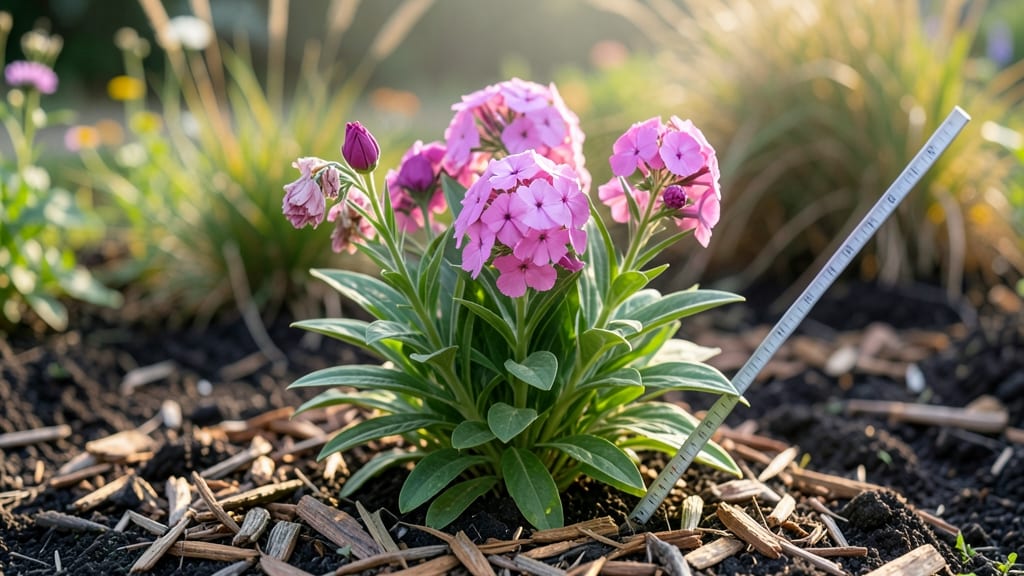
Garden phlox spreads gradually through underground rhizomes, expanding about 1–2 feet per year when conditions are ideal. Clumping types grow more slowly, while creeping varieties spread wider if not managed, often creating dense patches rather than aggressive runners.
Garden phlox spreads primarily through its underground rhizomes, which allow it to expand steadily over time. 🌱 The rate depends on soil quality, sunlight exposure, and water availability—well-drained soil with consistent moisture encourages faster growth.
Unlike invasive plants, phlox doesn't send out aggressive runners, but some creeping varieties can form thick clusters if left unchecked. This makes it ideal for borders or cottage gardens where gradual expansion is desired.
For gardeners who prefer controlled growth, dividing clumps every 3–4 years helps maintain vigor and prevents overcrowding. The best time to manage spread is in early spring or fall, when the plant is actively growing but not in full bloom.
This simple maintenance keeps your phlox looking lush without sacrificing its natural beauty.
💡 In This Article
- How Garden Phlox Spreads: Rhizomes vs. Seeds
- Controlling Garden Phlox Spread: Pruning and Division Tips
How garden phlox spreads: rhizomes vs. seeds
Garden phlox primarily spreads through its horizontal rhizomes—thick, underground stems that store nutrients and produce new shoots. These rhizomes grow outward from the center of the plant, typically extending 12–24 inches per season under optimal conditions.
The growth rate accelerates in loose, well-draining soil with consistent moisture, while compacted or waterlogged soil slows expansion. Unlike aggressive spreaders, phlox rhizomes don't produce long runners but instead form dense clusters as they mature.
The plant's vertical roots can reach depths of 12–18 inches, anchoring it firmly while allowing access to deeper moisture. This root structure explains why phlox thrives in USDA Zones 3–9—its ability to adapt to different soil types and moisture levels makes it resilient.
Creeping varieties like 'David' phlox spread more aggressively, while clumping types such as 'Lipstick' phlox grow more slowly, staying contained within their original planting area. 🌿
Seed dispersal plays a minor role in phlox propagation, as most garden varieties are sterile hybrids that don't produce viable seeds. Even if seeds form, they rarely establish well without human intervention, making rhizome growth the dominant method.
The plant's natural tendency to form dense clusters is why it's often used in cottage gardens or wildflower meadows—its gradual spread creates lush, textured foliage without overwhelming the landscape.
Light exposure significantly impacts spread rate. Phlox planted in full sun (6+ hours daily) grows more vigorously than shaded plants, which may spread only 6–12 inches per year. The plant's foliage also thickens in sunny conditions, creating a fuller appearance.
In contrast, partial shade can lead to leggier growth with fewer blooms, slowing both vertical and horizontal expansion. This light sensitivity is why gardeners often place phlox along borders or in mixed perennials where controlled spread is desired.
Consider these key factors when planning your garden layout:
- Soil type: Loamy soil with good drainage encourages faster rhizome growth
- Moisture: Consistent watering (1–1.5 inches weekly) maintains optimal spread
- Variety: Creeping types spread wider; clumping types stay more compact
- Sunlight: Full sun maximizes growth; partial shade slows expansion
What most gardeners don't realize is how the plant's natural growth pattern creates a self-sustaining display. Each year, the outer rhizomes produce new shoots while the center gradually dies back, creating a natural cycle of renewal.
This process explains why dividing established clumps every 3–4 years revitalizes the plant and prevents overcrowding. ✨