
Vegetables
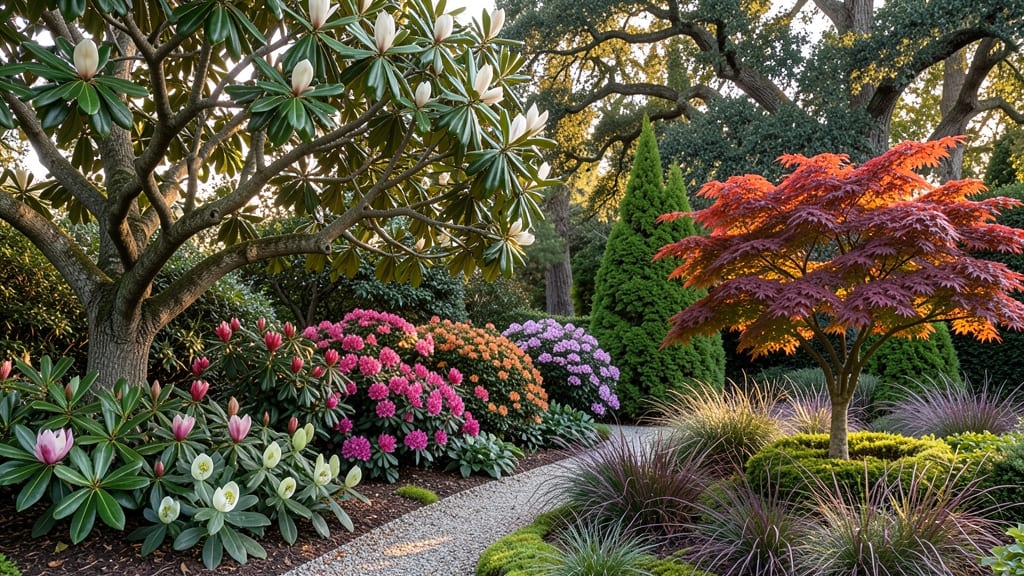
Filoli Gardens in Redwood City, CA, features 680 acres of breathtaking gardens, woodlands, and meadows, making it a top destination for nature lovers. Spring (March–May) showcases vibrant blooms, while fall (September–November) dazzles with golden foliage and pumpkin displays. Visit on weekday mornings to avoid crowds, or attend summer evening events for a unique experience.
This historic estate blends English cottage charm with Japanese-inspired gardens and formal parterres, creating a serene escape just minutes from San Francisco. 🌿 The 25-acre garden features rare plant collections like the iconic Magnolia grove and Camellia walk, which burst into color during peak seasons.
Beyond the gardens, the estate's woodlands offer peaceful trails perfect for birdwatching or quiet reflection. What sets Filoli apart is its ability to transport visitors through time—from the original 1915 estate to the 1949 modernist additions, all while maintaining its original beauty.
Pro tip: Weekday mornings are ideal for exploring without crowds, while summer evening events often include live music and special tours. The Secret Garden and Japanese Tea Garden are must-see spots that many visitors overlook.
Don't forget to check their calendar for seasonal workshops and holiday tours—these add a special touch to any visit.
💡 In This Article
- Exploring Filoli’s Historic Gardens and Landscapes
- Insider Tips for Visiting Filoli Gardens
Exploring Filoli’s historic gardens and landscapes
Filoli’s gardens tell a story of three distinct eras, beginning with the 1915 estate designed by architect Willis Polk, who blended English cottage charm with California’s natural beauty. The original design featured sweeping lawns, winding paths, and a central fountain—classic elements of early 20th-century American estates.
By 1949, landscape architect Thomas Church transformed the property into a modernist masterpiece, introducing geometric parterres, native plantings, and water features that harmonized with the surrounding redwood forests. 🌿 This evolution created a unique fusion where historic elegance meets sustainable landscaping, with over 100 species of native plants now thriving in the woodlands.
The estate’s signature gardens showcase diverse styles that each serve a purpose. The English Cottage Garden features fragrant roses, lavender, and peonies arranged in loose, natural drifts—perfect for spring’s 150+ varieties of blooms that peak in April.
Meanwhile, the Japanese Tea Garden, added in 1949, offers serene koi ponds and meticulously pruned azaleas, creating a tranquil space for reflection.
What makes these gardens special is their seasonal choreography: the Magnolia grove erupts in late spring with 20-foot-tall trees like the rare Magnolia grandiflora, while the Camellia walk delivers winter blooms from November through March, when most gardens are dormant.
The woodlands and meadows play an equally vital role, covering 80% of the estate’s 680 acres and serving as a wildlife corridor. These areas are carefully managed to preserve native ecosystems, with trails winding through 200-year-old redwoods and open meadows dotted with wildflowers.
Visitors often spot acorn woodpeckers, red-tailed hawks, and even bobcats—making it a prime spot for birdwatching and quiet exploration. The estate’s horticultural team uses drip irrigation and organic pest control to maintain these spaces, proving that beauty and sustainability go hand in hand.
One of the most fascinating aspects is how the gardens respond to California’s microclimates. The coastal fog from nearby San Francisco creates a 10-15°F temperature drop in summer evenings, which extends the blooming season for many plants.
For example, the Japanese Garden’s wisteria often flowers twice—once in spring and again in late summer—thanks to these cool coastal breezes. This natural phenomenon is why Filoli’s gardens feel alive year-round, with each season offering something entirely new.
Don’t miss the Secret Garden, a hidden 1940s-era space designed for private contemplation. Its boxwood hedges and rosemary maze create an intimate atmosphere, while the stone bench overlooking the meadows offers one of the estate’s most peaceful views.
This garden was originally planted with drought-tolerant species, a forward-thinking approach that aligns with modern conservation efforts. 🌸 The contrast between the formal parterres and these wild, natural spaces is what makes Filoli’s design so innovative and timeless.
For plant enthusiasts, the Camellia Collection is a must-see, featuring over 50 varieties that bloom from October through April. The ‘Donckelaer’s Crimson’ and ‘Yuletide’ varieties are particularly striking, with deep red and pink flowers that stand out against the winter landscape.
What’s remarkable is how these camellias thrive in Filoli’s USDA Zone 9b climate, where they receive 20-30 inches of annual rainfall—just enough to keep them lush without overwatering. This careful balance is a testament to the estate’s horticultural expertise.