
Flowers
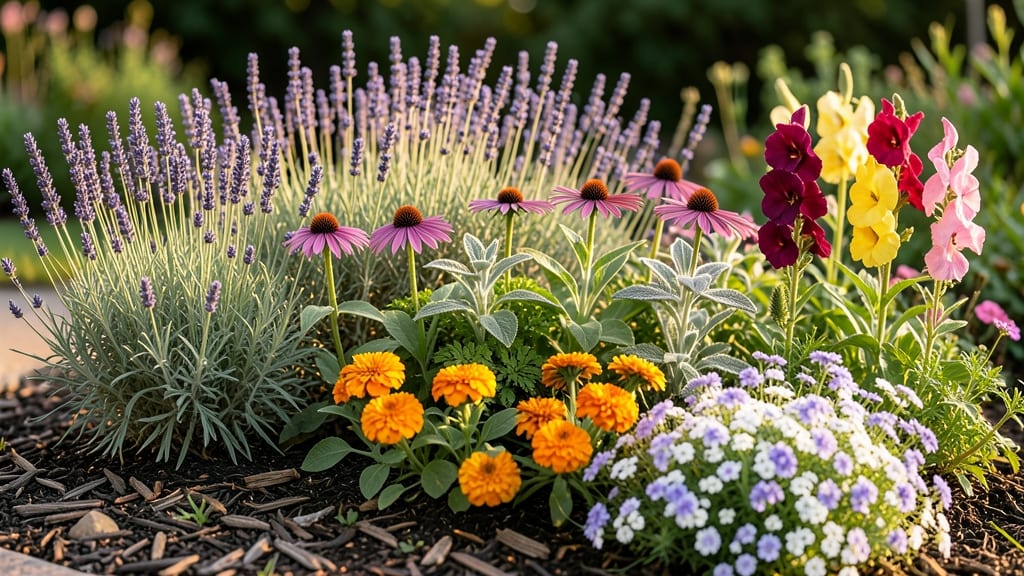
Freshly gardened soil means recently prepared garden beds with optimal nutrient balance, improved structure, and enhanced microbial activity—perfect for supporting vigorous plant growth and healthy root systems.
When gardeners talk about freshly gardened soil, they're describing earth that's been carefully prepared to create the ideal growing conditions. This process typically involves tilling to break up compacted layers, adding organic matter like compost or aged manure to boost fertility, and ensuring proper drainage.
The result is soil that's crumbly, rich in beneficial microbes, and ready to support seed germination and robust plant development. 🌱 Unlike neglected or overworked soil, freshly gardened earth provides the perfect foundation for healthy plants by maintaining moisture while allowing roots to penetrate easily.
What sets freshly gardened soil apart is its active biological component. The tilling process aerates the soil while releasing nutrients from organic materials, creating an environment where beneficial bacteria and fungi can thrive.
This microbial activity is crucial for breaking down organic matter into forms plants can absorb, while also suppressing harmful pathogens. Many gardeners find that freshly prepared beds produce stronger, more resilient plants compared to soil that's been left untouched or overworked.
💡 In This Article
- How Fresh Soil Boosts Plant Health
- Signs Your Garden Soil Is Fresh vs Overworked
How fresh soil boosts plant health
Freshly gardened soil works like a living ecosystem for plants, primarily because of how tilling and organic amendments activate the soil's natural processes. When you till, you're physically breaking up compacted layers that restrict root growth and water movement.
This creates larger pore spaces—about 20-30% more air volume—that allow roots to explore deeper while oxygen reaches microbial communities.
The key here is that these microbes, particularly bacteria and fungi, become more active when soil is aerated, accelerating the breakdown of organic matter into plant-available nutrients like nitrogen, phosphorus, and potassium.
The organic matter you add (compost, aged manure, or leaf mold) doesn't just feed plants directly—it feeds the soil's microbiome first. For example, compost introduces beneficial bacteria like Pseudomonas and Bacillus species, which outcompete harmful pathogens while releasing enzymes that convert complex organic compounds into simpler forms.
This process, called mineralization, can increase nutrient availability by up to 40% within 4-6 weeks of amending the soil. The result? Plants experience less stress from nutrient deficiencies and grow faster with stronger root systems.
Moisture retention is another critical benefit of freshly gardened soil. Organic amendments improve the soil's water-holding capacity by 30-50% compared to bare mineral soil, thanks to their ability to absorb and slowly release water.
The crumbly structure also prevents water from pooling at the surface, reducing runoff while ensuring roots get consistent hydration.
This is why freshly prepared beds stay moist longer after watering—ideal for regions with irregular rainfall patterns. 🌱 The combination of improved aeration, nutrient cycling, and moisture management creates what scientists call "biologically active soil," where plants thrive with minimal supplemental inputs.
What most gardeners don't realize is how tilling affects soil temperature regulation. Freshly tilled soil warms up 2-3°F faster in spring because the darker organic matter absorbs more sunlight, while the increased air pockets allow heat to penetrate deeper. This earlier warming jumpstarts seed germination and early-season growth.
However, the benefits only last if you maintain the soil's structure—over-tilling can disrupt microbial communities and lead to erosion, so the key is working the soil just enough to create ideal conditions without destroying its delicate balance.
Consider the case of vegetable gardens: freshly prepared beds with 3-4 inches of compost mixed into the topsoil can produce tomatoes with 20% higher yields compared to unamended soil. The reason?
The compost provides a steady supply of micronutrients like zinc and iron while improving the soil's cation exchange capacity (CEC), which helps retain essential plant nutrients. This is why professional growers often recommend building soil health over time—each season's amendments compound to create a more fertile foundation.
For flower gardens, freshly gardened soil makes a visible difference in bloom quality. Perennials like peonies and daylilies develop stronger stems and larger flowers when planted in soil with improved aeration, as their fibrous root systems can spread more easily.
The enhanced microbial activity also helps suppress fungal diseases like powdery mildew, which thrives in compacted, waterlogged conditions.
This is why many gardeners swear by preparing new beds each spring—it's not just about the nutrients, but creating an environment where plants can focus their energy on growth rather than struggling to survive.