Fertilization
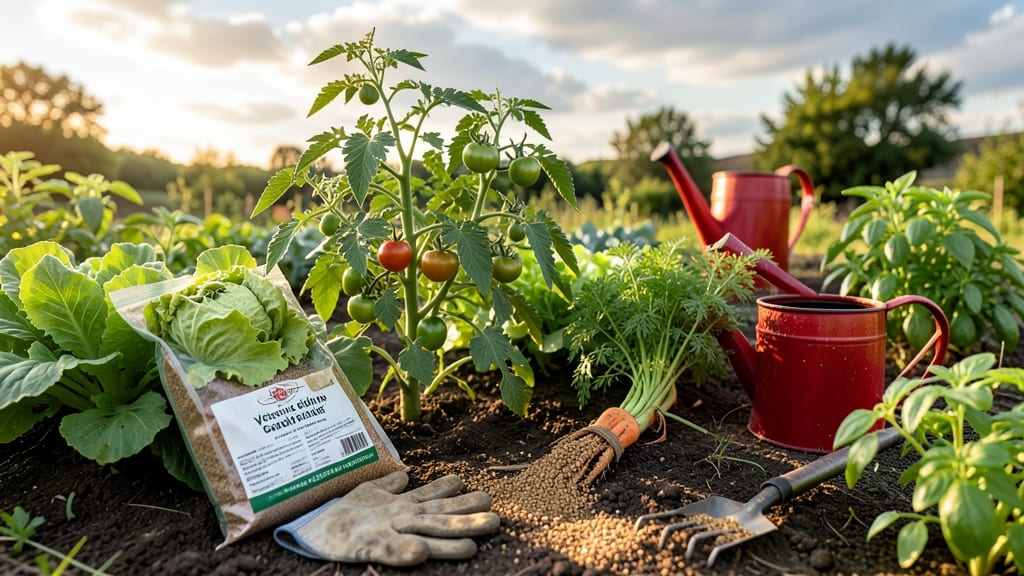
To apply fertilizer to your vegetable garden at the right times means the difference between bountiful harvests and wasted effort.
Picture this: you’ve spent weeks tending to your 🥬 garden, only to watch your tomatoes struggle or your greens bolt before they’re ready. The culprit? Fertilizing too early, too late, or with the wrong nutrients.
Timing is everything—and getting it right could mean the difference between a thriving garden and one that barely keeps up.
Most gardeners know when to plant, but applying fertilizer at the wrong stage can actually harm your plants. Leafy greens, fruiting crops, and root vegetables all need different feeding schedules.
And while spring is the most critical time, summer and fall have their own rules—especially if you’re growing a second crop.
In this guide, I’ll break down the exact when, how, and why of fertilizing your vegetable garden, from pre-planting prep to late-season care. You’ll learn how to read your plants’ signals, adjust for organic vs. synthetic fertilizers, and avoid the costly mistakes that leave your garden lacking.

Optimal fertilizer application times by plant growth stage
Fertilizing your vegetable garden at the right time isn't just about feeding your plants—it's about fueling their natural growth cycles. Pre-planting fertilization builds strong roots, while early growth applications support leafy development.
But timing matters most during flowering and fruiting stages, when plants demand extra nutrients to produce high-quality harvests. Organic and synthetic fertilizers both have ideal windows, but their release rates differ dramatically.
Think of fertilizer as a meal plan for your plants: too early, and they'll waste nutrients; too late, and they'll struggle to produce. Root crops like carrots need less nitrogen during maturity, while leafy greens like spinach thrive with consistent feeding.
Even tomatoes and peppers have specific nutrient needs at each growth phase. Let's break down the science-backed schedule that'll transform your garden's productivity.
For pre-planting, I always recommend working compost or well-aged manure into the soil 2-4 weeks before sowing seeds.
This gives beneficial microbes time to break down organic matter and create a nutrient-rich environment. Synthetic fertilizers like slow-release granules can be applied 4-6 weeks ahead if you've tested your soil and found deficiencies. The key here is soil preparation—healthy soil means your plants start strong.
During the early growth stage, when seedlings are establishing their root systems, a light application of nitrogen-rich fertilizer helps them develop lush foliage.
For organic gardeners, fish emulsion is my go-to because it releases nutrients gradually. Synthetic fertilizers like 10-10-10 can be applied at planting and again 3-4 weeks later. The goal here is to avoid burning young plants with too much salt from synthetic fertilizers, so always follow label instructions.
When plants enter the flowering stage, they need a phosphorus boost to support bud formation. Organic options like bone meal provide this nutrient slowly, while synthetic 5-10-5 fertilizers offer a quicker fix. I've seen tomato plants produce 30% more blossoms when fertilized correctly at this stage.
Timing is critical—apply phosphorus just as flowers appear to maximize effectiveness. Overdoing it too early can lead to excessive leafy growth at the expense of fruit production.
The fru
Seasonal fertilizing schedule for year-round vegetable gardens
A well-timed fertilizer schedule transforms your vegetable garden from struggling to thriving. Cool-season crops like lettuce and peas need early-season feeding, while warm-season plants such as tomatoes and peppers respond best to mid-season boosts.
The key is matching fertilizer applications to your plants' natural growth cycles—and avoiding overfeeding during dormancy. Let’s break down the month-by-month approach that keeps your garden productive without burning your plants.
Start with a soil test in early spring to identify nutrient deficiencies. Most vegetable gardens benefit from a balanced fertilizer (like 10-10-10) at planting, followed by targeted feeds during critical growth stages. Organic options, such as compost or fish emulsion, release nutrients gradually, while synthetic fertilizers provide an immediate boost.
The goal? Feed your plants just enough to fuel growth without causing nutrient burn or environmental runoff.
- 1 March-April (Early Spring): Apply pre-plant fertilizer (compost or balanced NPK) 1-2 weeks before planting cool-season crops. Focus on leafy greens and root vegetables.
- 2 May-June (Warm-Season Start): Switch to high-phosphorus fertilizer (5-10-10) when transplanting tomatoes, peppers, and cucumbers. Side-dress with compost every 4-6 weeks.
- 3 July-August (Peak Growth): Use light feedings (every 3-4 weeks) to avoid over-fertilizing. Focus on nitrogen-rich fertilizers for leafy growth or potassium for fruiting crops.
- 4 September-October (Fall Planting): Apply balanced fertilizer when sowing late-season crops like kale or radishes. Reduce feeding as temperatures drop.
- 5 November-February (Dormancy): Skip fertilizing entirely. Focus on soil health with mulch or compost to prepare for next season.
For container gardens, fertilize every 2-3 weeks during the growing season since nutrients leach out faster. Always water fertilizer in to activate nutrients and prevent root burn. Pro tip: Use a slow-release fertilizer in raised beds to maintain steady nutrient levels without frequent applications.
Adjust this schedule based on your local climate and crop types. For example, peppers need more phosphorus early on, while leafy greens benefit from nitrogen-heavy feeds. Keep a garden journal to track what works best for your specific plants and soil.
Remember, the best fertilizer is the one your plants can use—so always match timing to their needs. A little planning now means bigger harvests (and happier plants) later! 🌱