
Pruning
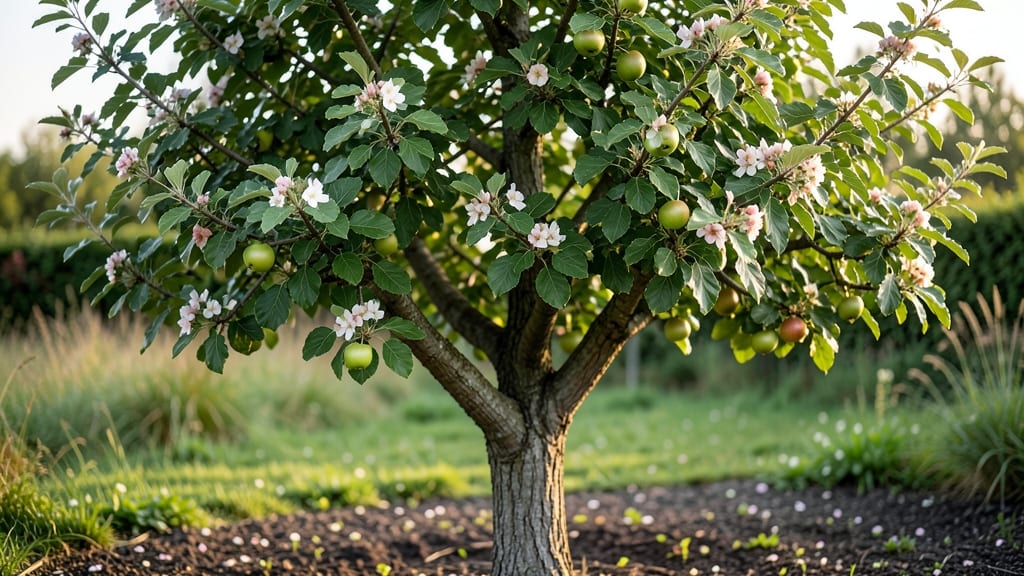
To become a gardener and tree specialist, you'll need practical horticulture experience, arboriculture training, and expertise in plant biology, soil science, and pest control. Professional certifications like ISA Arborist or AOLCA open doors to high-demand roles in landscaping, urban forestry, and environmental projects.
This career path blends hands-on work with scientific knowledge—think of it as being a botanist, landscaper, and emergency responder for trees all in one. 🌳 The field rewards those who love working outdoors but also understand the science behind healthy growth, from identifying fungal infections to calculating proper pruning angles.
Many professionals start with apprenticeships under certified arborists, which provide real-world experience while building industry connections.
What sets tree specialists apart is their ability to read a tree's health like a doctor reading symptoms. You'll learn to spot early signs of disease, understand how root systems interact with soil, and even assess structural risks during storms. The best part?
Every day brings new challenges—whether it's rescuing a pet stuck in a tree or designing a sustainable urban forest. Certifications like ISA Arborist aren't just credentials; they're proof you've mastered both the art and science of tree care.
💡 In This Article
- Key Skills and Education for Arboriculture Careers
- Specialized Tools and Resources for Tree Specialists
Key skills and education for arboriculture careers
At the core of arboriculture lies a mix of technical skills and scientific knowledge. Pruning isn't just about cutting branches—it's a precise art requiring understanding of a tree's vascular system.
For example, when removing a limb, you must cut just outside the branch collar (the swollen area where the branch meets the trunk) to prevent decay.
This technique ensures the wound heals properly, similar to how a doctor would clean and bandage a cut. 🌿 You'll also need to diagnose diseases like Dutch elm disease (caused by the fungus Ophiostoma novo-ulmi) by examining leaf discoloration, bark lesions, and fungal growth patterns at the base.
Equipment proficiency is non-negotiable. Mastering chainsaws at 3,500-4,500 RPM for clean cuts and using rope climbers with 10-12mm diameter climbing lines requires both strength and precision. Many professionals spend 500+ hours practicing these skills before feeling truly confident.
Safety is paramount—OSHA reports that 36% of tree service injuries involve falls or equipment malfunctions, making proper training critical. Beyond tools, you'll need to interpret soil tests (like pH levels between 5.5-7.0 for optimal tree health) and understand how mycorrhizal fungi in roots aid nutrient absorption.
Education paths vary from hands-on apprenticeships to formal degrees. A 2-year associate degree in horticulture covers plant biology and pest management, while a 4-year arboriculture degree dives deeper into urban forestry and conservation. Online courses (like those from the International Society of Arboriculture) offer flexibility for working professionals.
What's often overlooked is the value of mentorship—shadowing a certified arborist for 1,000+ hours provides real-world experience that textbooks can't replicate. 🌳 This practical exposure helps you recognize subtle signs of stress in trees, like yellowing leaves that might indicate iron deficiency or fungal infection.
Certifications like the ISA Arborist require passing exams on topics like tree biology, risk assessment, and ethics. The exam includes 200 multiple-choice questions and a 50-question practical test on site evaluation.
These credentials aren't just for resumes—they ensure you meet industry standards, especially when working near power lines or in public spaces where liability is high. For those specializing in urban areas, additional training in tree preservation ordinances (like NYC's rules protecting mature trees) becomes essential.
Advanced skills include using LiDAR technology to assess tree health from aerial scans or interpreting infrared thermography images to detect water stress. These tools, once reserved for research, are now accessible to professionals through industry associations.
The field also values soft skills—communicating with clients about tree removal costs (which can range from $300-$3,000 depending on size) or explaining why a beloved oak needs pruning. This blend of technical expertise and client education is what makes arboriculture both challenging and rewarding.
What most people don't realize is how interconnected these skills are. A single project—like removing a diseased maple—might involve diagnosing the disease, calculating safe pruning angles, operating heavy equipment, and explaining the process to a homeowner. This holistic approach is what sets exceptional tree specialists apart. 💫