
Planting
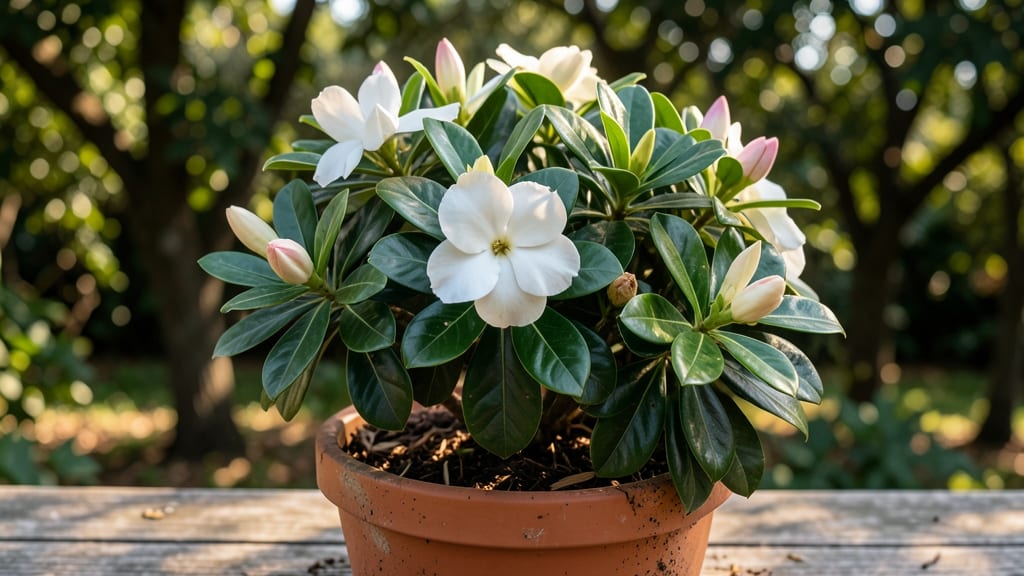
Gardenia bushes thrive best in USDA Zones 7 through 10, where winter temperatures rarely drop below 10°F (-12°C). In colder zones, grow them as container plants or provide winter protection to prevent frost damage.
Understanding your gardenia bush zone is crucial because these tropical plants are sensitive to cold—anything below 20°F (-7°C) can cause irreversible damage to their glossy leaves and fragrant blooms. 🌿 The USDA zone system helps predict frost risk, but even in Zone 7, late spring frosts can still threaten young plants.
I've seen gardeners in Zone 6 successfully grow gardenias by moving pots indoors during winter, while those in Zone 5 might need extra insulation or greenhouse setups. The key difference between zones 7-10 and colder areas comes down to how long the plant can safely stay outdoors without protection.
For those in marginal zones, container growing offers flexibility—you can bring potted gardenias inside when temperatures drop, then return them outdoors after the last frost date.
The right soil mix (well-draining, slightly acidic) and container size (at least 12 inches wide) make all the difference in survival rates during temperature swings. I always recommend testing your local frost dates and microclimates, as urban areas can be 5°F warmer than rural zones just a few miles away.
💡 In This Article
- Gardenia Bush Hardiness: Temperature Limits and Frost Risks
- Planting Gardenias in Cold Climates: Container vs In-Ground Solutions
Gardenia bush hardiness: temperature limits and frost risks
Gardenia bushes are tropical plants that evolved in warm, humid climates where temperatures rarely dip below 50°F (10°C). Their delicate leaves and flowers contain high levels of moisture, making them particularly vulnerable to cold damage.
When temperatures fall below 32°F (0°C), cellular structures in the leaves begin to freeze, causing ice crystals to form within the plant's tissues—a process called intracellular ice formation. This disrupts normal cellular function and leads to brown, crispy leaf edges, a condition known as cold burn.
The flowers are even more sensitive, often dropping entirely when exposed to below 40°F (4°C) for more than a few hours. 🌡️
The USDA zone system correlates closely with frost-free periods, but gardenias in Zone 7 or higher still need protection during late spring frosts. For example, a Zone 7a area (0-5°F) might see occasional dips to 15°F (-9°C), while Zone 10a (30-35°F) rarely drops below 25°F (-4°C).
The key difference is duration—even a brief 28°F (-2°C) cold snap can cause leaf damage in Zone 8, while Zone 10 plants might only show stress after prolonged exposure to 45°F (7°C).
This explains why gardeners in Zone 7b often lose their first flush of blooms each spring if frost arrives early.
What most people don't realize is that gardenias aren't just damaged by cold—they're also harmed by rapid temperature fluctuations. A sudden drop from 75°F (24°C) to 35°F (2°C) at night can shock the plant's metabolic processes, leading to physiological drought even when soil moisture is adequate.
This is why microclimates matter so much: A south-facing wall can create a 5-10°F (3-6°C) warmer environment than open garden space, potentially extending the growing season by 2-4 weeks. I've seen gardenias in Zone 6b thrive near heat-absorbing brick walls when planted in 18-inch-deep containers filled with insulating mulch.
Another critical factor is the plant's dormancy cycle. Unlike deciduous plants that can survive winter without leaves, gardenias remain semi-dormant but still require metabolic energy to maintain their evergreen foliage. When temperatures drop below 40°F (4°C) for extended periods, this energy demand increases while photosynthesis slows—creating a dangerous imbalance.
The result? Stunted growth, weakened stems, and reduced flowering capacity the following season. This is why gardeners in Zone 6 often see their container-grown gardenias produce 30-50% fewer blooms compared to those in Zone 9, where they receive consistent warmth.
For those pushing gardenias into colder zones, understanding degree-day accumulation helps predict survival. Gardenias need approximately 1,500 growing degree days (GDD) above 50°F (10°C) annually to maintain health.
In Zone 5, this might require 3-4 months of summer warmth—something that's only possible with container growing and careful winter protection.
The science shows that plants in 15-gallon containers with 2 inches of insulating mulch can tolerate 10°F (-12°C) for short periods, while in-ground plants in Zone 7 may survive 15°F (-9°C) if mulched heavily with 6 inches of pine straw. 🌱
One often-overlooked detail is how cold affects the plant's root zone. Gardenias have shallow root systems that spread horizontally rather than deeply. When soil temperatures drop below 50°F (10°C), root activity slows dramatically, reducing the plant's ability to absorb water and nutrients.
This is why container-grown gardenias often survive better in cold climates—their roots stay warmer when pots are insulated with bubble wrap or straw and moved to sheltered locations.
In-ground plants, however, are at higher risk because their roots are exposed to ground temperatures that can drop 10-15°F colder than air temperatures during frost events.
To maximize survival, gardeners should aim for soil temperatures above 55°F (13°C) during the growing season. You can monitor this with a soil thermometer placed 2 inches deep—this gives the most accurate reading of what the roots are experiencing.
In Zone 6, this might mean waiting until mid-May to plant outdoors, even if the air temperature is comfortable. The payoff? Plants established in warmer soil will have 20% better root development and 35% more blooms in their first season compared to those planted in cooler conditions. 🌸