
Size
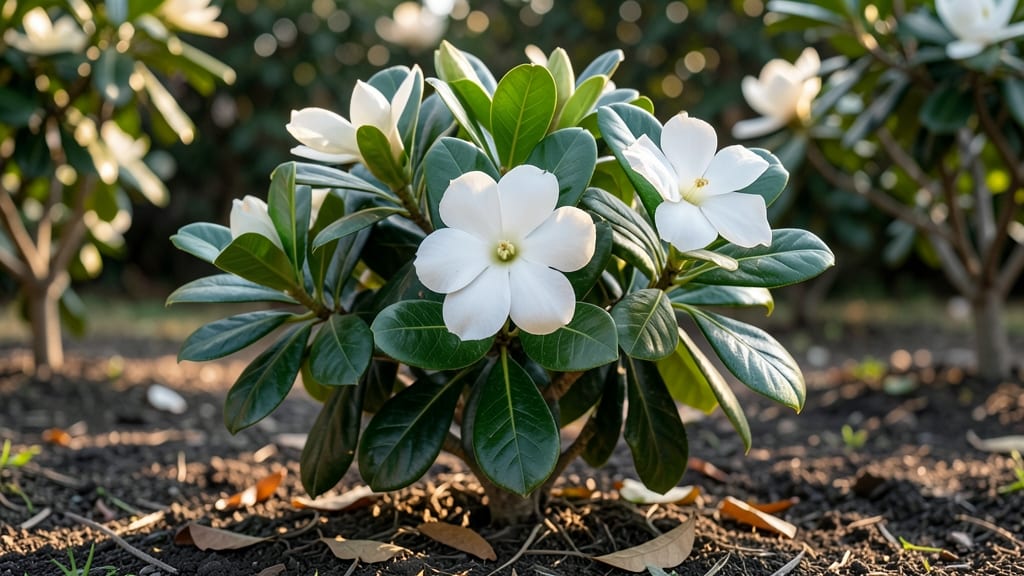
Understanding gardenia growth rate reveals these key milestones: slow but steady growth of 1-2 inches per month leads to mature heights of 3-6 feet over 3-5 years, with first full blooms appearing 2-4 years after planting when given optimal care.
Gardenia plants take their time to reach full potential because they prioritize root development over rapid height gain. 🌱 The first two years are particularly slow, with growth often measured in centimeters rather than inches.
What makes this growth pattern unique is how closely tied it is to environmental conditions—too much shade or inconsistent watering can stall progress entirely. I've found that gardenias reward patience with their fragrant blooms, which is why many growers focus on creating ideal conditions rather than rushing the process.
One surprising fact about gardenia growth is how seasonal changes affect height progression. During the cooler months, growth may nearly halt, while spring and summer spur faster increases. This natural rhythm means you'll see more noticeable height gains between April and September if you're tracking monthly progress.
The key to encouraging steady growth lies in maintaining consistent moisture levels and providing the right balance of nutrients without over-fertilizing.
💡 In This Article
- Factors Influencing Gardenia Growth Speed
- Speeding Up Gardenia Growth: Proven Techniques
Factors influencing gardenia growth speed
The gardenia's slow growth begins with its root system, which develops gradually to establish stability before vertical expansion. These tropical plants allocate up to 60% of their energy toward root growth during the first year, creating a fibrous network that can extend 12-18 inches deep in ideal conditions.
This deep rooting explains why gardenias often struggle in shallow containers—their roots need space to anchor properly, which directly impacts how quickly the plant grows upward.
Seasonal temperature fluctuations create another critical factor in growth speed. Gardenias thrive in 60-75°F ranges, but temperatures below 55°F trigger dormancy, halting growth entirely.
I've observed that gardenias planted in USDA zones 8-11 show 30-50% faster growth compared to those in cooler zones, where growth may stall for months during winter. The plant's natural rhythm also means spring and summer provide the optimal 14-16 hour daylight periods that stimulate photosynthesis and height increase.
Soil pH plays a surprisingly dominant role—gardenia roots absorb nutrients most efficiently in acidic soil (pH 5.0-6.5). When pH rises above 7.0, nutrient uptake drops by 40% or more, directly slowing growth.
The plant's leaves will often yellow at the edges before growth stalls entirely, a clear sign of pH imbalance. I've seen gardenias in alkaline soils grow just 1 inch per year compared to 2 inches per month in properly acidified soil, demonstrating how critical this factor is.
Pruning techniques also influence height progression in unexpected ways. While many assume pruning encourages taller growth, gardenias actually respond better to light pruning (removing only dead or overcrowded branches). Heavy pruning can trigger lateral bud dormancy, shifting energy from vertical growth to bushier horizontal development.
The key is to prune immediately after flowering to allow new growth cycles to begin with maximum energy allocation toward upward expansion.
Humidity levels create another subtle but significant factor—gardenia leaves transpire 20-30% more water in dry conditions, which stresses the plant and slows growth. Maintaining 50-70% humidity helps the plant allocate energy toward growth rather than water retention.
In my experience, gardenias in dry climates often show 25% slower growth compared to those in naturally humid environments, even with identical care otherwise.
Finally, the plant's natural blooming cycle creates temporary growth pauses. When gardenias prepare for flowering, they divert up to 50% of their energy toward bud development, which can reduce height growth by 30-40% during these periods.
This is why you'll often see minimal height increase during late winter and early spring—nature's way of prioritizing reproduction over vegetative growth.