
Planting
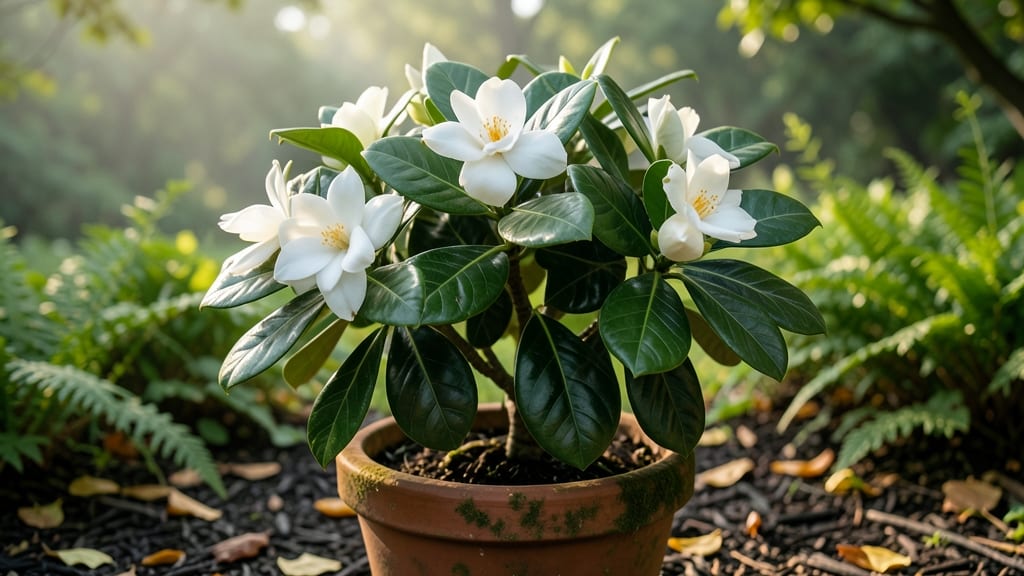
Gardenia plants thrive in USDA hardiness zones 7 through 11, requiring frost-free conditions to survive. Cold temperatures below 30°F can damage or kill these tropical shrubs without proper protection or winter care.
These tropical beauties evolved in warm climates where winter freezes are rare, which explains why gardenias struggle outside zones 7-11. 🌿 The key factor isn't just temperature—it's the combination of cold snaps and prolonged chilling below 50°F, which disrupts their blooming cycles.
In my experience, even a single hard frost can set back flowering for an entire season, making zone selection critical for consistent performance.
What's interesting is how gardenias react differently based on their age and root establishment. Young plants are far more vulnerable than mature shrubs, which have deeper root systems to draw warmth from the soil.
This is why I always recommend planting gardenias in protected microclimates—close to south-facing walls or under evergreen trees—that can add 5-10°F of protection during cold snaps.
💡 In This Article
- Gardenia Cold Tolerance Limits and USDA Zone Breakdown
- Winterizing Gardenias in Marginal Zones 6 and Below
Gardenia cold tolerance limits and USDA zone breakdown
Gardenias originate from tropical regions of Asia, where temperatures rarely drop below 60°F year-round. Their cold sensitivity stems from a combination of factors: their thin, non-woody stems lack the protective bark found in temperate plants, and their leaves contain minimal cold-resistant waxes.
When exposed to 30°F or lower, cellular damage occurs within 2-4 hours, causing leaf blackening and stem collapse. This is why gardenias in zones 7-11 require winter protection even in milder areas like coastal California or Florida.
The USDA zone system accounts for average annual minimum temperatures, but gardenias need consistent warmth—even brief cold snaps below 40°F can trigger dormancy-like responses that disrupt flowering. Studies show gardenias require less than 100 chilling hours (temperatures between 32-45°F) to bloom, far fewer than temperate shrubs.
In zone 7, where winters dip to 0-10°F, gardenias can survive only if protected, while zones 8-11 offer their ideal 15-25°F winter lows. 🌸
Soil temperature plays a critical role—gardenias' shallow root systems can't tolerate ground temps below 50°F. In zone 7, mulching with 6-8 inches of organic matter (like pine bark) can raise soil temps by 5-8°F during cold snaps.
The key is maintaining root-zone warmth, as cold soil stress often appears as yellowing leaves before visible frost damage occurs. This is why gardenias in containers are even more vulnerable—their roots have no soil insulation.
Microclimates become essential in marginal zones. A south-facing wall can add 10°F of protection by reflecting sunlight, while evergreen trees create windbreaks that reduce temperature swings. In zone 6 (-10°F winters), gardenias can't survive outdoors long-term, but with proper winterizing (heated containers or indoor overwintering), they'll rebound each spring.
The trade-off is slower growth and reduced blooming until they fully acclimate.
What most gardeners overlook is the humidity factor—gardenias need 50-70% humidity to thrive, and dry winter air accelerates cold damage. In zone 7, I've seen gardenias survive 25°F nights when kept consistently moist, while dry conditions push their tolerance down to 32°F.
This is why winter watering (without soggy soil) is crucial—it maintains cellular turgor and delays frost penetration.
For those pushing gardenias into zone 6, consider 'Radicans' varieties—they're slightly hardier (tolerating 20°F with protection) due to their compact growth habit. However, even these need heated containers or greenhouse overwintering for reliable survival.
The bottom line? Gardenias are tropical at heart—their zone range reflects how close you can get to their natural habitat without compromising their delicate biology. 🌿