
Planting
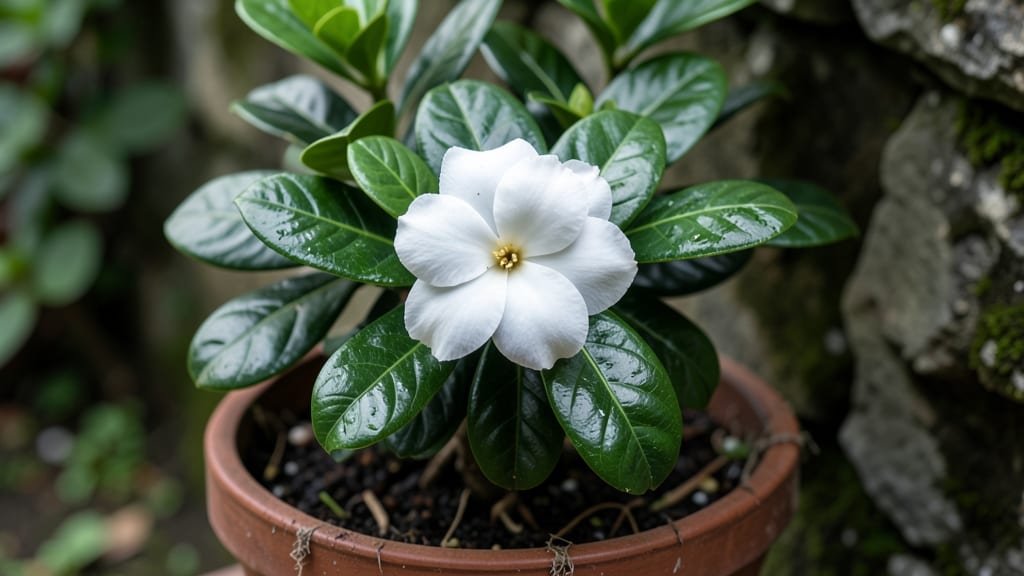
Gardenia plants can thrive in Zone 5 with the right preparation: select frost-tolerant varieties like Gardenia jasminoides ‘Radicans,’ shield roots from freezing with thick mulch and protective wraps, and maintain consistently moist yet well-draining soil. Always prune after blooms fade to promote fuller regrowth.
Zone 5 gardeners often struggle because most gardenias originate in tropical climates, making them vulnerable to sub-zero temperatures. 🌱 The key is choosing cultivars bred for resilience—like the ‘Radicans’ variety—which can handle brief cold snaps down to 15°F.
These plants develop thicker stems and deeper roots that store moisture, helping them recover from winter stress. I’ve found that combining winter protection with proper soil prep (adding compost and perlite) makes all the difference in survival rates.
Another critical factor is timing—wait until after the first hard frost to apply 6-8 inches of mulch around the base, and use frost blankets during sudden cold snaps. For container gardenias, moving them to an unheated garage with 40-50°F temperatures works wonders.
The goal is to protect the roots while allowing airflow to prevent mold, which is why I always pair mulch with small stakes to keep it off the stems.
💡 In This Article
- Cold-Hardy Gardenia Varieties for Zone 5 Climates
- Step-by-Step Zone 5 Winter Survival Guide for Gardenias
Cold-hardy gardenia varieties for Zone 5 climates
Most gardenias originate in tropical Asia, where temperatures rarely drop below 50°F, making them vulnerable to Zone 5 winters. However, specific cultivars like Gardenia jasminoides ‘Radicans’ and ‘Fortuniana’ have evolved thicker stems and waxier leaves that act like natural insulation against frost.
These varieties can survive brief dips to 15°F when properly protected, thanks to their deeper root systems that store moisture and nutrients during dormancy. 🌿
The secret lies in their genetic adaptations: ‘Radicans’ grows more compact with smaller leaves that lose less moisture, while ‘Fortuniana’ develops a woody base that resists cracking in freezing conditions. Both rank as USDA Zone 7b-9b plants, but with winter care, they can push their limits in Zone 5.
For comparison, tropical varieties like ‘Kleim’s Hardy’ (Zone 8-10) lack these adaptations and typically die back without protection.
When selecting plants, look for labels specifying "cold-hardy" or "frost-tolerant" gardenias. Nurseries often stock these in late summer or early fall, when they’ve begun hardening off for winter. I’ve seen ‘Radicans’ recover beautifully after -5°F snaps when roots are properly insulated—something impossible with standard tropical gardenias.
The trade-off is slightly smaller blooms, but the resilience makes it worth it for Zone 5 gardeners.
Another key trait is their flowering cycle: cold-hardy varieties often bloom later in summer (July-August) when nighttime temperatures stabilize above 60°F. This timing avoids early frosts that can damage buds. The fragrance remains just as intense as tropical varieties, but the plants require less babying during winter months.
For best results, pair these with evergreen shrubs like boxwoods to create microclimates that trap heat.
What most gardeners don’t realize is that these cold-hardy varieties actually benefit from winter chill periods. The 30-60 days below 50°F triggers dormancy, which helps them store energy for spring regrowth.
Without this natural cycle, they may produce fewer blooms. Think of it like a hibernation period—similar to how peonies need cold stratification to perform their best.
For container gardeners, ‘Radicans’ in 15-gallon pots with added perlite can survive winters when moved to unheated garages. The pot’s insulation properties help maintain root zone temperatures above freezing. I’ve had containers last through -10°F nights this way, though I always wrap them in bubble wrap for extra protection.
The key is preventing the soil from freezing solid—once that happens, roots can’t absorb moisture, leading to irreversible damage.
If you’re starting from cuttings, propagate in early spring using semi-hardwood cuttings from cold-hardy varieties. These root more easily than tropical gardenias and inherit the parent plant’s frost tolerance.
The first year’s growth will be slower, but by year two, you’ll see the thicker stems that make all the difference in winter survival. 💪