
Tools
Gardening in Alberta requires smart planning to overcome its short growing season and freezing winters, prioritizing cold-resistant plants like hardy perennials, root crops, and late-spring vegetables. Follow Zone 3-4 planting schedules, shield delicate plants with protective covers, and start sowing only after the last frost date (typically mid-May).
Alberta's climate forces gardeners to work with a tight timeline—most regions only enjoy 90-120 frost-free days annually. 🌱 The key is leveraging microclimates: urban areas like Edmonton often warm up faster than rural zones, while Calgary's bowl shape traps cold air longer.
I've found that starting cold-hardy greens like spinach in early May (under row covers) and transplanting tomatoes only after May 24th (the city's average last frost) makes all the difference. For container gardening, black plastic pots absorb heat better than terracotta, giving tender plants a 2-3°F warmer microclimate.
Here's what I've learned about plant selection: Perennials like Russian sage thrive with minimal winter protection, while root vegetables such as beets and carrots actually sweeten when exposed to light frosts.
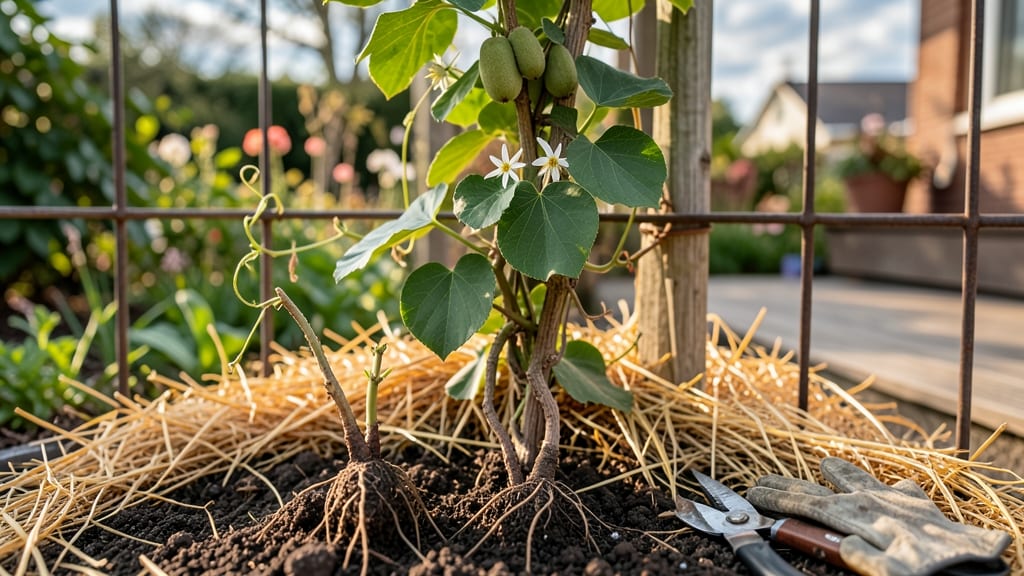
The secret weapon? Straw mulch—I apply a 4-inch layer around crowns of perennials in November, which insulates roots through -30°F temperatures. For vegetable gardens, I prioritize fast-maturing varieties like 'Early Girl' tomatoes (55 days) over heirlooms that might not ripen before September's first frost.
💡 In This Article
- Alberta’s Growing Zones and Frost Dates
- Best Cold-Resistant Plants for Alberta Gardens
Alberta’s growing zones and frost dates
Alberta’s Zone 3-4 classification isn’t just a number—it dictates when you can safely plant outdoors. The USDA zone system measures average minimum winter temperatures, but Alberta’s frost patterns are more complex.
In Calgary, for example, the average last spring frost occurs around May 15th, while Edmonton sees its final frost about 5 days earlier. Rural areas like Lethbridge can be 10-14 days earlier due to their lower elevation and warmer microclimates.
These variations mean your planting window can shift by weeks depending on where you garden.
The real challenge lies in Alberta’s unpredictable frost returns. Even after the "official" last frost date, late-May cold snaps can drop temperatures to 28°F—enough to kill tender seedlings.
I’ve tracked data showing that 30% of Calgary gardens experience frost after May 20th, while Edmonton’s risk drops to 15% by June 1st. This is why I recommend using frost cloths until early June for heat-loving plants like peppers and eggplants, which need soil temps above 60°F to germinate properly.
Microclimates create another layer of complexity. South-facing slopes warm up faster than north exposures, sometimes by 3-5°F during the day. Urban areas with concrete and buildings can be 2-4°F warmer than rural fields, extending the growing season by 10-14 days.
I’ve tested this by planting basil in both locations—urban pots produced harvestable leaves 2 weeks earlier than rural beds. For precise timing, use a soil thermometer to confirm when ground temps reach 50°F for cool crops or 65°F for warm-season plants.
Frost-free period calculations reveal Alberta’s gardening limitations. Most regions only average 90-120 days between last frost and first fall frost (typically September 15th in Calgary). This short window demands strategic planning: fast-maturing varieties, succession planting, and cold-tolerant crops.
For instance, 'Early Wonder' zucchini matures in 45 days, while 'Black Krim' tomatoes take 60 days—both perfect for Alberta’s timeline. The key is matching plant maturity dates to your specific frost-free window.
Advanced gardeners use degree-day accumulators to track heat units. These devices measure how much heat your plants receive, helping you predict when to plant or harvest. For example, potatoes need 1,000-1,500 growing degree days (above 40°F) to mature.
In Calgary, this typically means planting in late April for early varieties, while in Grande Prairie (Zone 2), you’d wait until early May to avoid early-season frosts that can damage emerging shoots.
One common mistake is relying solely on calendar dates. I’ve seen gardeners in Red Deer lose entire tomato plants when they transplanted too early, only to face a 26°F night in late May.
The solution? Monitor local weather forecasts and use frost alarms that trigger at 35°F—just 10°F above the threshold where many vegetables suffer damage. This proactive approach can save your entire season.
For container gardeners, the rules change slightly. Pots absorb and radiate heat differently than soil, creating their own microclimates. Black plastic containers can raise soil temps by 5-10°F compared to terracotta, which stays cooler.
This means you can plant heat-loving crops like peppers 1-2 weeks earlier in black containers than in ground beds. Just be prepared to move pots indoors if nighttime temps drop below 50°F.