Tools
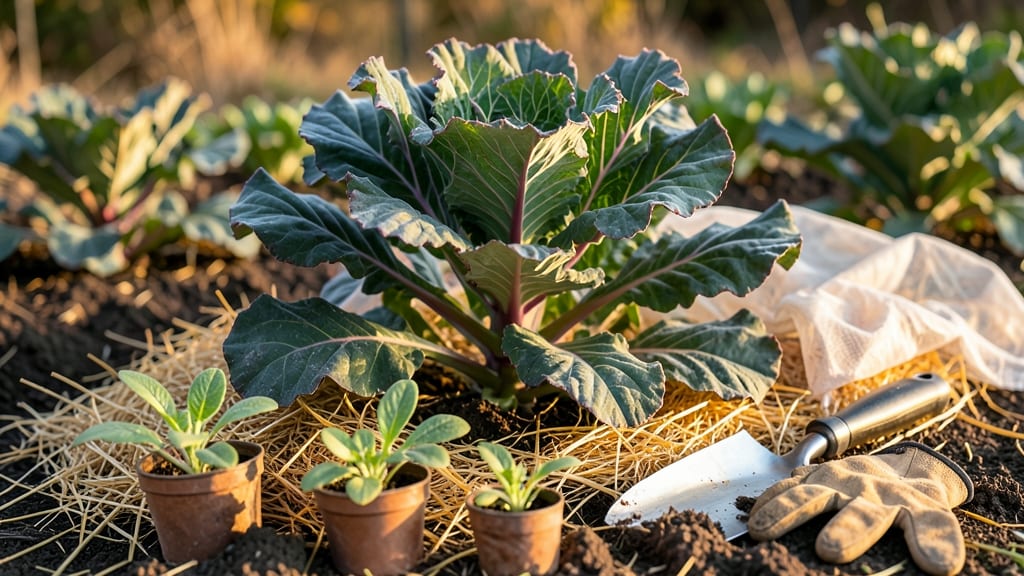
Starting a fall garden 4-6 weeks before your first frost is the key to a bountiful harvest 🌱 — but timing it wrong means watching your seeds wither or bolt before they even mature.
Picture this: You’ve prepped the soil, ordered your seeds, and cleared your schedule for a crisp autumn harvest. Then, a surprise early frost hits, and your broccoli bolts overnight. That’s the difference between a thriving garden and a wasted effort.
Your USDA zone dictates everything—whether you’re in Zone 6a or further south. In cooler climates, you might start as early as late July, while warmer regions can wait until September. The goal? Beat the frost by 60 days for most crops.
Below, I’ll break down the exact countdowns for your zone, the best fall crops to plant, and how to adjust if Mother Nature throws you a curveball. No more guesswork—just a harvest you can count on.
Fall planting timelines by USDA hardiness zones
Getting your fall garden timed right means the difference between a bountiful harvest and wasted seeds. The key? Understanding your USDA hardiness zone and counting down to your first frost date.
Cool-season crops like lettuce, spinach, and kale thrive when planted at the perfect moment—typically 4-8 weeks before frost. But without knowing your exact frost date, you might plant too early or too late.
I’ve used NOAA climate data to create a zone-specific planting timeline that helps you calculate your local frost dates and ideal planting windows.
Whether you’re in Zone 3 (Alaska, northern New England) or Zone 10 (Florida, Southern California), this guide ensures you start your fall garden at the right time for maximum success.
Here’s how to use this guide: First, find your USDA hardiness zone using the USDA Plant Hardiness Zone Map. Then, check your local frost dates using the NOAA National Centers for Environmental Information (NCEI).
Most locations have an average first frost date, but I recommend checking the 10-year average for accuracy. Once you have your frost date, count backward to determine your planting window.
For example, if your first frost is October 15, you’ll want to plant cool-season crops like broccoli or carrots around September 1-15. In warmer zones, you might even extend your planting into November.
The table below breaks down the ideal planting windows by zone, along with key crops and frost dates to help you plan.
🌱
If your zone isn’t listed, don’t worry! Most cool-season crops can be planted 4-8 weeks before frost. For example, in Zone 7, where frost typically hits around November 15, I plant my lettuce and spinach in early September.
In Zone 9, where frost is rare, I can even plant some crops in late fall for a winter harvest.
Pro tip: Use row covers or cold frames to extend your growing season by 2-4 weeks if frost arrives early. This is especially useful in Zones 3-6, where frost can come as early as September.
I’ve used floating row covers to protect my broccoli and kale from light frost, allowing me to harvest well into December.
To calculate your exact frost dates, visit the NOAA Climate Data Portal and search for your city. Look for the 30-year average first frost date, then adjust based on recent trends.
For instance, many areas in the Northeast have seen earlier frosts in recent years, so I recommend planting 2 weeks earlier than the average to be safe.
Once you’ve nailed down your frost dates, it’s time to plan your fall garden layout. Prioritize fast-growing crops like radishes and bush beans for early harvests, followed by slower-maturing crops like broccoli and carrots. Succession planting—sowing seeds every 2-3 weeks—ensures a continuous harvest until frost.
🌿
Best fall vegetables and their perfect planting dates
Fall gardening is all about timing—plant too early, and your crops bolt in the heat; too late, and frost ruins your harvest. The key is knowing when to start each vegetable so they mature before winter sets in.
Cool-season crops like broccoli and kale actually thrive in cooler weather, while others like radishes grow quickly to beat the frost. Let’s break down the ideal planting windows for 12 top fall vegetables and how to stretch your harvest season.
Most fall vegetables should go in the ground 4-8 weeks before your first frost date. This gives them time to establish roots and grow before temperatures drop. For example, in USDA Zone 6a (like my garden), that means planting late July to early September.
But don’t stress—succession planting and row covers can extend your growing window even further. Let’s dive into the specifics for your favorite crops!
🌱 Numbered Highlights: Perfect Planting Dates for Fall Vegetables
- 🥬 Leafy Greens (Spinach, Lettuce, Kale): Plant 6-8 weeks before frost (late July-August). Succession plant every 2 weeks for continuous harvests.
- 🥦 Broccoli & Cauliflower: Start seeds 8-10 weeks before frost (late July). Transplant seedlings 6-8 weeks before frost for heads to mature.
- 🥕 Carrots & Beets: Sow seeds 3-4 months before first frost (June-July). Thin seedlings to 2-3 inches apart for optimal growth.
- 🌻 Radishes: Plant 4-6 weeks before frost (late August-September). They grow fast (30 days!), making them perfect for late-season harvests.
- 🌱 Peas & Green Beans: Sow seeds 6-8 weeks before frost (late July-August). Use trellises to save space and improve air circulation.
- 🍅 Tomatoes & Peppers (Cold-Hardy Varieties): Transplant 8-10 weeks before frost (late July). Choose short-season varieties like 'Early Girl' tomatoes.
- 🌿 Succession Planting Tip: For crops like radishes and lettuce, sow new seeds every 2 weeks to ensure a steady harvest until frost.
Pro tip: Use row covers or cold frames to protect tender crops like spinach and kale from light frosts. Many of these vegetables actually sweeten after frost, like broccoli and carrots.
Just avoid heavy frosts that can damage leaves or roots. For example, my kale last year tasted sweeter after a light frost—it’s like nature’s way of rewarding patience!
If you’re in a warmer zone (8-10), you can plant later—even into October for quick crops like radishes and turnips. But in colder zones (3-5), start earlier (June-July) to ensure maturity.
Always check your local frost dates using the USDA Plant Hardiness Zone Map or your local cooperative extension service for precise timing.
Don’t forget to amend your soil before planting. Fall vegetables need fertile, well-draining soil rich in organic matter. I mix in compost or aged manure a few weeks before planting to give roots a nutrient boost.
For heavy soils, add sand or perlite to improve drainage—nothing worse than rotting roots in soggy soil!
With the right timing and a little extra care, your fall garden can be just as bountiful as spring. Start with these 12 top vegetables, and you’ll be harvesting fresh, homegrown goodness well into winter. Happy planting! 🌿