
Tools
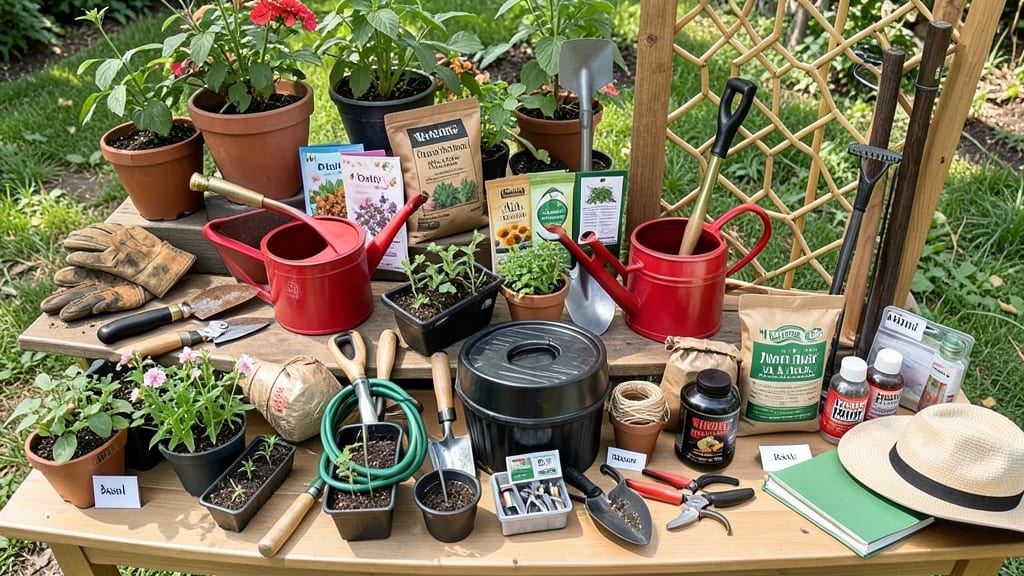
Finding the right gardening supply companies means accessing tools, seeds, and soil tailored to your project, whether you shop at big-box stores like Home Depot or specialty brands like Bonnie Plants for premium plants. Local nurseries often provide expert guidance and unique varieties you won't find online.
Your choice of gardening supply companies can make or break your gardening success. 🌱 Big retailers like Lowe’s offer one-stop shopping for everything from shovels to compost, while online stores provide convenience and bulk discounts.
For organic gardeners, brands like Planters Pride specialize in certified seeds and soil amendments, ensuring you get exactly what you need for sustainable growing. Local nurseries, though pricier, often stock rare plants and offer hands-on advice from experienced growers—something you won't get from a catalog.
What sets these suppliers apart is their focus on specific gardening niches. Need hydroponic equipment? Stores like Hydroponic Supply carry everything from LED grow lights to nutrient solutions.
Looking for heirloom tomatoes? Etsy sellers often provide seeds that big-box stores can't match. The key is matching your needs—budget, project scale, and specialty requirements—to the right supplier.
💡 In This Article
- How to Choose the Best Gardening Supply Retailer
- Top Specialty Gardening Supply Stores by Category
How to choose the best gardening supply retailer
The decision between online and local gardening supply companies often comes down to convenience versus expertise. Online retailers like Home Depot and Lowe’s offer competitive pricing and bulk discounts, making them ideal for large projects like landscaping or vegetable gardens.
Their websites feature detailed product descriptions, customer reviews, and even virtual tools to help you visualize layouts before purchasing. For example, Lowe’s online platform lets you compare soil pH test kits from brands like Luster Leaf or My Soil, with ratings showing which perform best for specific plants.
Local nurseries, however, provide hands-on advantages that online stores can't match. Staff can analyze your soil’s texture and moisture levels on the spot, recommend disease-resistant plant varieties for your climate zone, and even demonstrate proper pruning techniques.
A study by the National Gardening Association found that gardeners who shop locally are 30% more likely to succeed with first-time crops because of this personalized guidance. The sensory experience—touching seed packets, smelling fresh compost, and seeing mature plants—also helps beginners visualize their garden’s potential.
Shipping speed and return policies become critical factors when ordering online. Companies like Bonnie Plants ship seedlings in specialized packaging to minimize transplant shock, with delivery times as fast as 2-3 business days for in-season varieties.
However, if you order rare plants from international sellers, shipping delays of 2-4 weeks can disrupt planting schedules. Always check return policies: Burpee offers full refunds for seeds that fail to germinate, while big-box stores typically provide store credit for damaged goods.
Product quality varies significantly between suppliers. Organic-focused brands like Planters Pride undergo rigorous certification processes to ensure their seeds and soil amendments meet USDA organic standards. In contrast, generic brands at big-box stores may use synthetic fertilizers or non-organic pesticides.
For hydroponic systems, stores like Hydroponic Supply specialize in equipment with precise nutrient delivery systems, while general retailers might carry basic kits that lack advanced features like pH monitoring.
Customer reviews reveal hidden insights about product performance. For instance, reviews of Miracle-Gro soil often mention its fast results but note it can deplete soil microbial life over time.
Meanwhile, Fox Farm Ocean Forest potting mix receives praise for its blend of coconut coir and worm castings, which improves root aeration. Always look for reviews from gardeners in your climate zone—their experiences will be most relevant to your needs.
Consider your project’s scale when choosing a supplier. Small urban gardeners might prefer The Home Depot’s online garden center for its curated selection of compact tools and self-watering planters. Large-scale farmers, however, often rely on wholesale distributors like Gardeners.com for bulk discounts on seeds and equipment.
The right supplier aligns with both your budget and your gardening goals—whether it’s a 5-gallon tomato plant or a 50-pound bag of compost.
Ultimately, the best gardening supply company balances your needs with practical realities. Start with your project’s requirements, then evaluate suppliers based on product quality, expertise, and logistics. For beginners, local nurseries offer the most support; for experienced gardeners, online stores provide unmatched variety and convenience. 🌱