
Vegetables
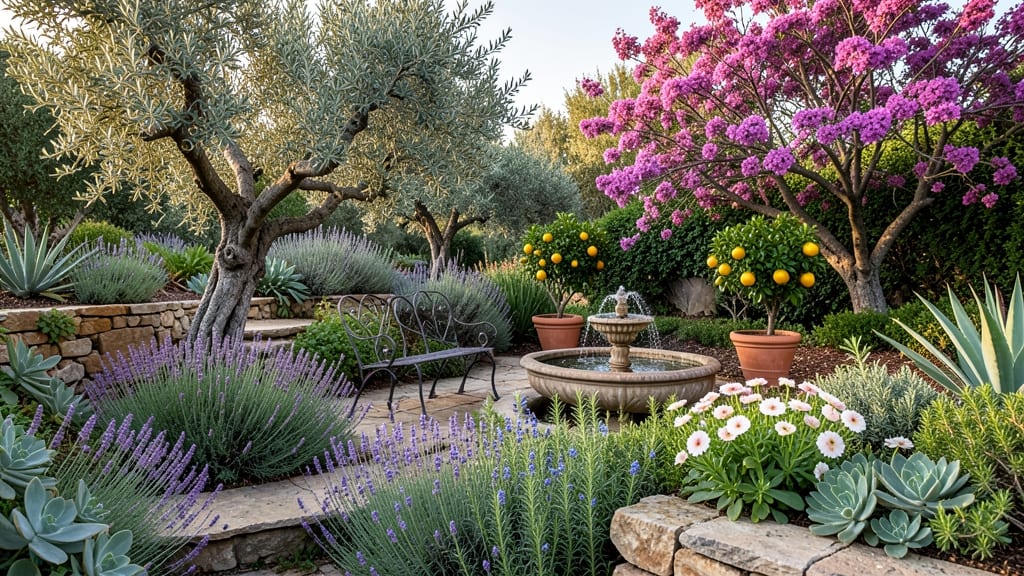
Exploring gardens in Barcelona reveals the city’s green side, where historic parks and meticulously designed botanical spaces provide peaceful retreats from urban life. Standout destinations include the whimsical Jardins de Joan Brossa, the sprawling Parc de la Ciutadella, and the Mediterranean-themed Jardins de Mossèn Costa i Llobera, each offering distinct plant collections and architectural highlights.
Barcelona’s gardens transform the city into a living museum of flora, where each space tells a story through its carefully curated plantings. 🌿 The Jardins de Joan Brossa stands out for its playful, surreal sculptures intertwined with native species, while Parc de la Ciutadella—Barcelona’s Central Park—boasts a massive lake, a zoo, and one of Europe’s oldest palm groves.
For something more exotic, Jardins de Mossèn Costa i Llobera on Ibiza (though technically outside the city) features over 2,000 cactus species, making it a must-visit for plant enthusiasts. These gardens aren’t just green spaces; they’re cultural landmarks that showcase Barcelona’s love for blending nature with urban design.
Visiting these gardens is best done during spring (March–May) when Mediterranean blooms like bougainvillea and oleander create vibrant canopies, or in autumn when the golden hues of deciduous trees add warmth. 🍂 Pro tip: Pack a picnic—many gardens have shaded seating areas perfect for enjoying a meal surrounded by greenery.
Whether you’re a nature lover or just seeking a quiet corner, Barcelona’s gardens deliver unforgettable escapes.
💡 In This Article
- Barcelona’s Most Stunning Botanical Gardens and Their Plant Collections
- How to Plan a Garden Tour: Best Routes and Seasonal Highlights
Barcelona’s most stunning botanical gardens and their plant collections
Barcelona’s gardens aren’t just green spaces—they’re living showcases of Mediterranean biodiversity, where every plant tells a story. Take Jardins de Joan Brossa, a whimsical 0.5-hectare garden where surreal sculptures by artist Joan Brossa blend seamlessly with native species like rosemary, lavender, and wild thyme.
The garden’s 150+ plant varieties are arranged in thematic sections, with aromatic herbs planted near seating areas to encourage visitors to touch and smell them. What’s fascinating is how the garden’s design mimics natural ecosystems, using drought-resistant plants that thrive in Barcelona’s hot, dry summers (up to 38°C/100°F).
The Parc de la Ciutadella, spanning 16.5 hectares, is a botanical treasure trove with a 19th-century palm grove featuring over 100 palm species, including the towering Canary Island palm (Phoenix canariensis), which can reach 20 meters (65 feet) tall.
The park’s lake ecosystem supports rare water plants like lotus (Nelumbo nucifera) and water lilies, while its citrus grove—a gift from Queen Maria Cristina in 1888—contains 150+ citrus trees, including lemon, orange, and pomegranate varieties that bear fruit year-round.
The garden’s soil composition (a mix of sand and clay) is carefully managed to support these diverse species, with irrigation systems mimicking natural rainfall patterns.
For something truly exotic, Jardins de Mossèn Costa i Llobera on Ibiza (a 30-minute ferry ride from Barcelona) is a cactus lover’s paradise with over 2,000 cactus and succulent species, including rare Echeveria and Mammillaria varieties.
The garden’s microclimate—warmer and drier than mainland Barcelona—allows these plants to thrive in open-air conditions. Visitors can see century-old saguaros (Carnegiea gigantea), which grow up to 15 meters (50 feet) tall, alongside delicate living stones (Lithops) that blend into the rocky terrain.
The garden’s nighttime lighting highlights the plants’ textures, creating a surreal, almost lunar landscape.
What makes these gardens unique is their adaptive planting strategies. In Jardins de Joan Brossa, for example, plants are grouped by their water needs, with drought-tolerant species like aloe vera and agave placed near the garden’s edges where sunlight is most intense.
Meanwhile, Parc de la Ciutadella uses seasonal rotation—spring brings blooming tulips and magnolias, while autumn showcases golden-leafed ginkgo trees. The gardens also incorporate pollinator-friendly plants like lavender and marjoram, supporting Barcelona’s 200+ bee species.
This thoughtful curation ensures each garden feels like a self-sustaining ecosystem rather than a static display.
One often-overlooked detail is how these gardens preserve Barcelona’s agricultural heritage. The citrus grove in Parc de la Ciutadella, for instance, is a living reminder of the city’s 18th-century orchards, while Jardins de Mossèn Costa i Llobera reflects Ibiza’s traditional cactus-based farming.
Many plants in these gardens are heirloom varieties, passed down through generations, adding a layer of cultural history to the botanical experience. For example, the orange trees in Ciutadella produce a sweet, seedless variety that was once a staple in Catalan cuisine.
If you’re planning a visit, timing matters—spring (March–May) is ideal for seeing bougainvillea in full bloom, while autumn (September–November) offers stunning fall foliage in Ciutadella’s deciduous trees.
Pro tip: Some gardens, like Joan Brossa, host nighttime guided tours in summer, where the plants glow under UV lighting, revealing hidden details in their textures and structures. 🌙 Whether you’re drawn to the sculptural charm of Joan Brossa, the historic grandeur of Ciutadella, or the exotic allure of Mossèn Costa, each garden offers a distinct botanical journey.