
Tools
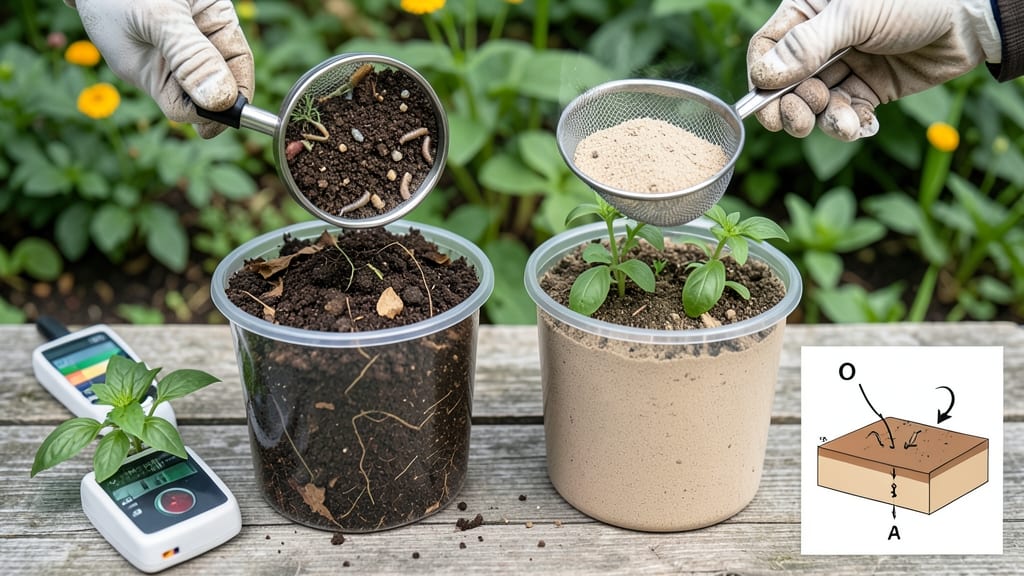
Garden soil and topsoil are not the same thing: garden soil is a purposefully blended mix designed for planting, while topsoil is the natural upper layer of earth (3-8 inches deep) that contains organic matter and minerals.
Garden soil is engineered for optimal plant growth, often combining topsoil with compost, sand, or fertilizer to balance nutrients and texture. 🌱 Think of it as a premium mix for your garden beds, while topsoil is the raw material nature provides—great for leveling slopes or creating new garden spaces but not always ideal for planting without amendments.
I've seen many gardeners use topsoil for lawns or raised beds, then add garden soil on top for planting, creating the perfect growing environment.
Here's why this matters: topsoil's natural composition varies by location, sometimes lacking the balanced nutrients plants need. Garden soil, however, is formulated to address specific growing conditions—whether you're growing vegetables, flowers, or herbs.
For example, a tomato garden needs rich, well-draining soil, while succulents thrive in faster-draining mixes. Understanding these differences helps you choose the right soil for your plants' success.
💡 In This Article
- Topsoil vs Garden Soil Composition Breakdown
- When to Use Topsoil vs Garden Soil in Your Yard
Topsoil vs garden soil composition breakdown
Topsoil forms naturally through centuries of organic decay—think fallen leaves, decomposed plants, and animal remains breaking down into humus. This layer typically measures 3-8 inches deep and contains 5-10% organic matter, along with minerals from weathered rock.
Its particle structure varies by location, often featuring a mix of 40-60% sand, 20-40% silt, and 10-30% clay, creating a loose, crumbly texture ideal for drainage but sometimes lacking balanced nutrients. 🌱
Garden soil, however, is a human-engineered blend designed for optimal plant growth. It combines topsoil with 20-40% compost, 10-30% perlite or vermiculite for aeration, and 5-15% fertilizer to boost nutrient density.
The particle ratios are carefully balanced—often 50% sand, 30% silt, and 20% clay—to create a loamy texture that retains moisture while preventing compaction. This artificial mix mimics the ideal conditions plants crave, unlike raw topsoil which can be too dense or nutrient-poor.
The key difference lies in their purpose: topsoil is nature's foundation, while garden soil is a customized growing medium. For example, topsoil from a forest floor might have high organic content but poor drainage, while garden soil designed for tomatoes will include phosphorus-rich amendments to support root development.
The science behind this involves soil microbiology—garden soil fosters beneficial bacteria and fungi through added compost, accelerating nutrient cycling. 🔬
Texture plays a critical role too. Topsoil often feels gritty or sticky when wet, while garden soil has a velvety, almost powdery consistency that crumbles easily between fingers. This difference matters because plants need roots to penetrate effortlessly—something raw topsoil can't always guarantee.
For instance, clay-heavy topsoil might repel water, while garden soil's balanced structure encourages even moisture distribution.
Nutrient density is where garden soil truly shines. Raw topsoil contains trace minerals but lacks the concentrated nitrogen, phosphorus, and potassium plants need for rapid growth. Garden soil addresses this by including slow-release fertilizers, like bone meal or worm castings, which provide steady nourishment over months.
This is why gardeners often see faster germination and lush foliage in amended soil compared to unmodified topsoil. 🌿
Consider this real-world scenario: if you're planting a vegetable garden, raw topsoil might leave your plants stunted due to poor structure, while garden soil ensures roots access both water and air efficiently.
The same topsoil used to level a slope, however, becomes a stable base—showing how their distinct compositions serve different purposes perfectly. This dual functionality is why many professional gardeners keep both on hand. 🏡