
Tools
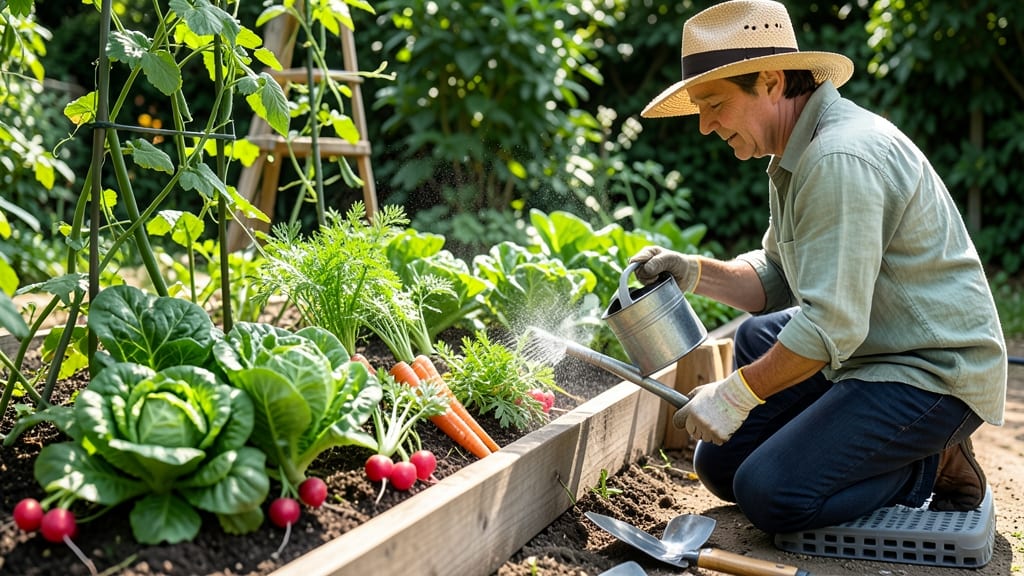
Gardening is good exercise because it burns 200–400 calories per hour, depending on intensity, while engaging core, leg, and arm muscles through bending, lifting, and reaching. It’s a low-impact activity that improves flexibility and endurance over time.
Gardening actually counts as a full-body workout without the joint stress of high-impact exercises. 🌱 The repetitive motions of digging, raking, and carrying soil or plants work your quads, hamstrings, and shoulders while also strengthening your grip.
What’s even better is that you can adjust the intensity—heavy mulching or hauling bags of compost turns it into a cardio session, while lighter tasks still build muscle endurance. I’ve seen people transform their gardens into strength-training zones by adding weighted tools or doing squats while planting!
For those tracking fitness goals, gardening’s calorie-burning potential rivals activities like walking or light jogging. The key is consistency—even 30 minutes of focused yard work can contribute to your weekly activity targets.
Plus, it’s a sustainable way to stay active, especially for people who dislike traditional gym routines. Just remember to pace yourself and take breaks to avoid overuse injuries!
💡 In This Article
- Calorie Burn and Muscle Activation in Gardening
- How to Maximize Gardening as a Workout
Calorie burn and muscle activation in gardening
Gardening engages multiple muscle groups simultaneously, creating a functional workout that mimics real-world movements. Digging and weeding primarily target your quadriceps and hamstrings, while the repetitive reaching and pulling motions activate your shoulders, back, and core.
Studies show that tasks like moving soil or hauling bags of mulch can engage up to 80% of your major muscle groups, similar to a full-body resistance workout. The difference? Gardening does this while you're outside, breathing fresh air and enjoying the process.
The calorie-burning potential varies dramatically based on intensity. Light gardening—like trimming plants or raking leaves—burns about 160-200 calories per hour, comparable to a leisurely walk. But when you switch to heavier tasks, like shoveling soil or carrying full watering cans, you can torch 300-400 calories per hour.
For context, that’s roughly equivalent to a moderate jog or cycling at 12-15 miles per hour. The key difference is that gardening’s calorie burn is more sustainable for longer durations, making it ideal for daily activity.
What makes gardening unique is its low-impact nature while still delivering cardiovascular benefits. Unlike running or jumping rope, which can stress joints, gardening’s movements are controlled and adaptable. This is why physical therapists often recommend it for rehabilitation or older adults looking to stay active.
The controlled motions also improve flexibility over time, as you stretch to reach plants or bend to weed. For example, reaching for high branches engages your obliques and lats, while kneeling to plant seeds strengthens your calves and ankles.
Research from the University of Michigan found that people who garden regularly show improvements in grip strength (up to 15% increase in 12 weeks) and better balance—both critical for preventing falls as we age. The combination of pushing, pulling, and lifting motions creates a functional strength training effect.
Unlike isolated gym exercises, gardening builds strength in ways that directly translate to daily activities, like carrying groceries or lifting grandchildren. 💪
One often-overlooked benefit is the mental-cognitive connection. The repetitive, rhythmic motions of gardening can reduce cortisol (the stress hormone) while increasing endorphins, creating a "flow state" similar to meditation. This dual benefit—physical exertion paired with mental relaxation—makes gardening one of the most holistic forms of exercise.
For instance, a 45-minute session of weeding and planting can lower stress levels by 20-30% while burning meaningful calories.
To put it in perspective, imagine spending an hour in your garden:
- Digging: Engages 60-70% of muscle groups, burns 250-300 calories
- Raking: Works core and shoulders, burns 180-220 calories
- Carrying soil: Strengthens grip and legs, burns 300-350 calories