
Tools
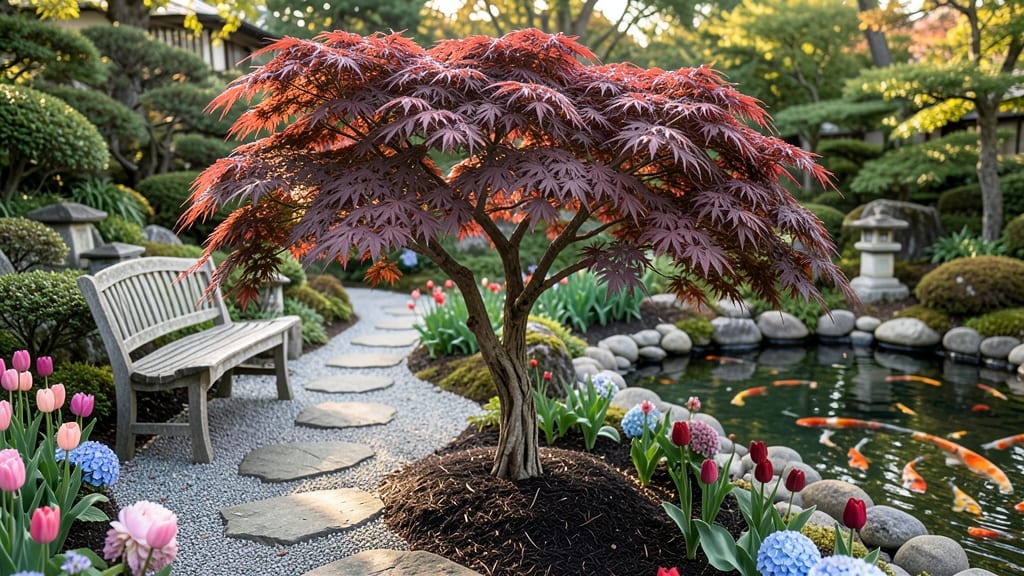
The Montreal Botanic Garden features breathtaking seasonal displays and themed gardens that transform with each visit. From spring tulips to autumn's fiery foliage, this 75-acre space includes 22 specialty gardens, rare plant collections, and international-themed exhibits like the Chinese and Japanese Gardens. Year-round access and multilingual guided tours enhance every exploration.
The Montreal Botanic Garden's true magic lies in its ability to deliver fresh experiences with every season. 🌸 Spring brings delicate tulips and peonies, while summer showcases exotic orchids and vibrant summer blooms.
Autumn transforms the gardens into a fiery canvas with maples and oaks, and winter reveals serene evergreen collections. Beyond seasonal beauty, the garden's greenhouses house rare species like the massive Victoria Amazonica water lily, offering a glimpse into botanical wonders from around the world.
What makes this garden particularly special is its thoughtful design that caters to all visitors. The layout ensures optimal seasonal viewing paths, while accessibility features make it welcoming for everyone.
I always recommend visiting on weekdays to avoid crowds, and taking advantage of their combo tickets that include nearby attractions like the Olympic Park. The garden's multilingual tour guides add another layer of value, making it an exceptional destination for both locals and international visitors.
💡 In This Article
- Seasonal Plant Highlights at Montreal Botanic Garden
- Visitor Tips for Maximizing Your Montreal Botanic Garden Experience
Seasonal plant highlights at montreal botanic garden
The Montreal Botanic Garden's seasonal transformations are rooted in botanical science and strategic landscaping. In spring, the garden's 22 themed gardens burst into color as 20,000 tulips bloom in synchronized waves, a technique called "tulip programming" that controls flowering times through precise temperature regulation during bulb storage.
The Japanese Garden's cherry blossoms follow a similar schedule, with varieties carefully selected to peak in late April to early May when daytime temperatures reach 12-15°C (54-59°F). 🌸
Summer reveals the garden's tropical collections in full force, particularly in the Greenhouses Complex where 1,500 orchid species thrive under controlled 75-85% humidity and 24-30°C (75-86°F) temperatures.
The star attraction, the Victoria Amazonica water lily, reaches its 2-meter (6.5-foot) diameter at peak bloom in July, demonstrating how these plants use floating leaves to maximize sunlight absorption in their native Amazon floodplains.
The garden's carnivorous plant collection also peaks in summer, with pitcher plants and Venus flytraps showcasing their insect-catching adaptations in specialized bog gardens.
Autumn's transformation relies on foliage color science, where maples and oaks produce anthocyanins—pigments that develop when sugars trapped in leaves react with sunlight and cool temperatures.
The garden's Autumn Garden features 120 tree species selected for vibrant fall colors, with peak viewing occurring when daytime highs drop below 18°C (64°F) for 3-4 weeks. The Chinese Garden's wisteria arbor provides a dramatic contrast with its purple blooms persisting into early autumn. 🍁
Winter reveals the garden's evergreen collections, where coniferous trees like the Eastern white pine and Douglas fir maintain their needles through photosynthesis at -20°C (-4°F) temperatures.
The Japanese Garden's winter illuminations create a magical atmosphere, with 1,200 LED lights highlighting architectural elements while preserving the natural beauty of the 3,000-year-old bonsai collection. The greenhouses remain the warmest destination, with tropical plants continuing their growth cycles under artificial sunlight that mimics 12-14 hours of daylight.
What makes these seasonal changes possible is the garden's year-round climate monitoring system, which adjusts irrigation and fertilization based on real-time data from 50 weather stations across the property.
The Chinese Garden's 1,000-year-old camphor tree, for example, receives 15% less water in winter to prevent root rot, while the Japanese Garden's maples get foliar sprays of seaweed extract to enhance their autumn colors. These precise interventions ensure each season delivers its unique botanical spectacle. 🌿
The garden's rare plant collections offer additional seasonal delights. In spring, the rock garden features 500 alpine species that bloom early to take advantage of the short growing season at higher elevations.
Summer brings the cactus and succulent collection to life, with 1,200 species from arid regions thriving in well-draining soil mixes that prevent rot.
Autumn's woodland garden showcases native Quebec plants that have adapted to the region's 4-season climate, while winter reveals winter-hardy perennials that provide structure and interest when most plants are dormant.
For visitors, understanding these seasonal cycles enhances the experience. The spring blooms typically peak in May, summer's tropical collections shine from June to August, autumn foliage reaches its height in October, and winter's evergreen displays are best enjoyed from December to February.
Planning your visit around these peaks ensures you witness the garden's full botanical spectrum. 🌺