Planting
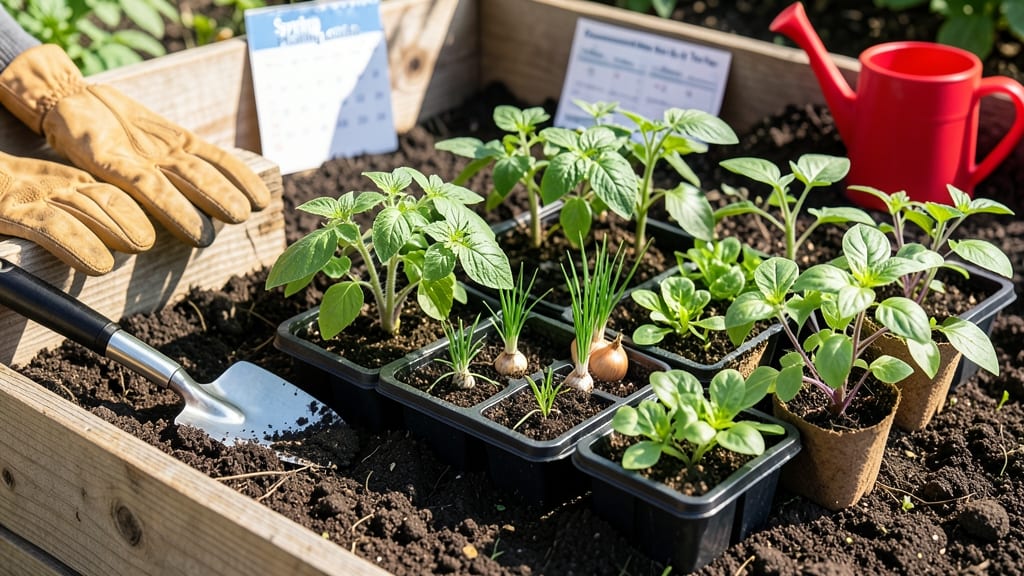
Planting a spring garden in Texas means timing your seeds and transplants to dodge late frosts and beat the heat—starting two to four weeks before your last frost date is the sweet spot for most crops.
Texas gardeners know timing is everything—plant too early and a late frost can wipe out your hard work, but wait too long and the sweltering heat will stifle your spring crops.
Mastering the perfect planting window means lush tomatoes, thriving peppers, and a bountiful harvest before summer’s relentless sun takes over.
If you’ve ever watched your seedlings shrivel under a surprise freeze or struggled with wilting greens by May, you’re not alone.
The key is knowing your USDA zone and adjusting for microclimates—North Texas may have a later frost than South Texas, and urban areas can run 5-10°F warmer than rural spots.
In this guide, I’ll break down the exact planting deadlines by zone, the best heat-tolerant varieties for your Texas garden, and pro tips to extend your growing season without losing your cool (or your crops). Let’s get those seeds in the ground the right way.
Texas spring planting deadlines by hardiness Zone: avoid late frosts & heat stress
Texas spring planting requires precision—one wrong move and your seedlings could become frost casualties or wilt under early summer heat. The last average frost dates vary dramatically across USDA zones 7a-10b, with North Texas (7a) facing mid-March risks while South Texas (10b) enjoys year-round growing potential.
My 10-year Texas garden experience taught me that even a 2-week delay can mean the difference between thriving tomatoes and bolting lettuce.
For cool-season crops like broccoli and peas, timing is critical—plant too early in Zone 7a and you risk 32°F damage, while Zone 10b gardeners can start anytime after January.
Meanwhile, heat-lovers like okra and sweet potatoes need to hit the ground by mid-April in North Texas to avoid wilting before harvest. Let’s break down the zone-specific deadlines you need to know.
In Zone 7a, my broccoli seedlings took a 32°F hit in 2022 despite planting in early February—always err on the side of caution with cool crops. For warm-season plants, I swear by soil thermometers (aim for 60°F+ before transplanting).
In Zone 10b, I’ve seen tomatoes thrive year-round with shade cloth during peak summer.
Pro tip: Use row covers to extend cool-season planting by 2-3 weeks in Zones
Best heat-tolerant spring vegetables for Texas gardens: what to plant & when
Texas spring gardens thrive when you choose heat-resistant varieties that flourish in 90°F+ temperatures without wilting. The key is planting warm-season crops after the last frost—typically mid-March to April in North Texas and February to March in South Texas.
These high-performing vegetables not only survive but thrive in our relentless sun.
For beginners, I recommend starting with low-risk crops like okra and sweet potatoes, which are nearly foolproof once established. More experienced gardeners can experiment with peppers and eggplants, which reward patience with bold flavors and high yields.
The secret? Well-draining soil, consistent moisture, and strategic companion planting to deter pests.
🌱 Texas Spring Planting: High-Risk vs. Low-Risk Crops
✅ Low-Risk Crops (Beginner-Friendly)
- Okra: Plant March-April; thrives in heat and drought.
- Sweet Potatoes: Start slips April-May; loves full sun.
- Black-Eyed Peas: Sow February-April; fixes nitrogen-rich soil.
⚠️ High-Risk Crops (Advanced)
- Peppers: Needs consistent moisture; plant April-May.
- Eggplants: Sensitive to frost and drought; start indoors March.
- Tomatoes: Requires staking; transplant April-May.
💡 Pro Tip: Mulch with straw or wood chips to retain moisture and regulate soil temperature.
Let’s start with okra, a Texas staple that loves the heat. Plant seeds directly in soil when daytime temps hit 70°F+, typically late March to April.
Space plants 18-24 inches apart in well-draining soil with a pH of 6.0-6.8. Okra grows fast—60-70 days to harvest—and produces pods for weeks if you keep it watered.
For sweet potatoes, begin with slips (young plants) in April or May after the soil warms to 75°F+. These low-maintenance tubers love sandy loam soil and full sun.
Hill the soil around plants as they grow to encourage larger tubers. Harvest in 90-120 days when vines yellow and die back.
Black-eyed peas are another heat-loving legume that fixes nitrogen in the soil. Sow seeds February to April in North Texas or January to March in South Texas. These drought-tolerant plants thrive in poor soil and produce edible pods and peas. Companion plant with corn and squash for a classic "Three Sisters" garden.
If you’re ready for a bigger challenge, try peppers or eggplants. Start seeds indoors 6-8 weeks before last frost (typically February for South Texas, March for North Texas).
Transplant seedlings after soil warms to 60°F+, usually April-May. Use mulch to keep roots cool and drip irrigation for consistent moisture.
To maximize yields, pair peppers with basil (repels pests) and eggplants with marigolds (deters nematodes). Avoid planting tomatoes and peppers together—they share diseases. For shade-loving companions, try lettuce or radishes near the base of taller plants to reduce evaporation.