Planting
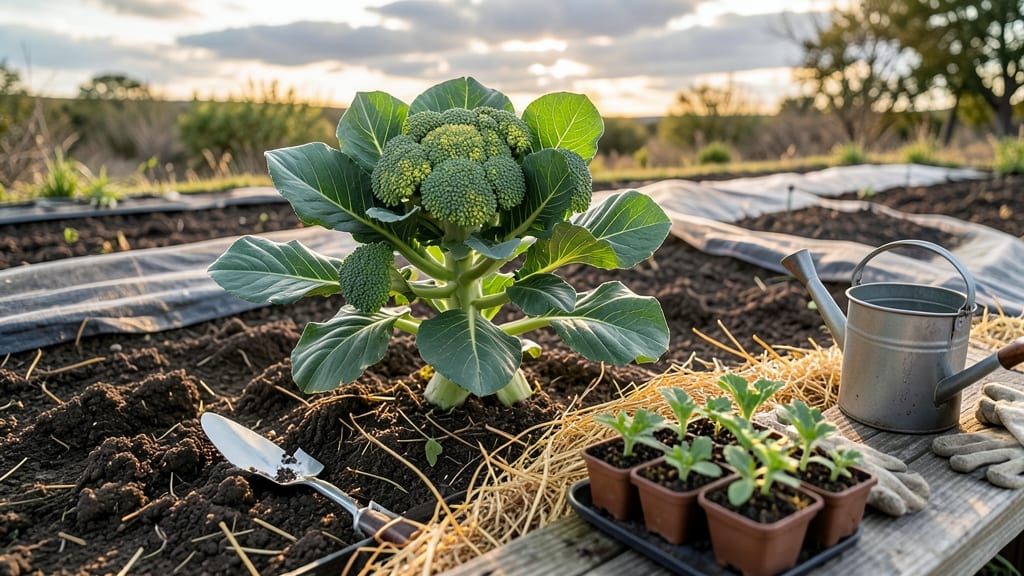
Planting your fall garden in North Texas between mid-August and mid-October is the key to beating frost and enjoying fresh harvests 🌱.
North Texas gardeners know timing is everything—plant your fall crops too early, and frost will wipe them out; too late, and you’ll miss the growing season. But with the right county-specific deadlines, you can maximize your harvest before winter sets in.
This isn’t just about avoiding a late freeze; it’s about choosing the right crops for your area’s short season. From leafy greens that thrive in cooler weather to root vegetables that store well, selecting the best fall garden vegetables makes all the difference.
Below, I’ll break down the exact planting windows by county, soil prep tips to get your garden ready, and how to stretch your harvest with simple tricks like row covers and succession planting.
North Texas fall planting deadlines by county: last frost dates and safe planting windows
North Texas gardeners face a short but sweet fall growing season, where precise timing separates a bountiful harvest from a frost-killed disappointment. The key to success lies in understanding your county-specific frost dates and planting within the 4-6 week window before the first hard freeze.
In USDA Zones 8a/8b, this means counting backward from mid-November, but exact dates vary by location.
For example, Dallas County typically sees its last frost around November 15, while Tarrant County holds off slightly longer until November 20. These differences might seem small, but they translate to critical weeks for establishing healthy plants before winter sets in.
Microclimates—like urban heat islands or sheltered garden spots—can further shift these deadlines by 7-10 days.
Here’s the county-by-county breakdown you need to plan your fall garden like a pro, including safe planting windows for cool-season vegetables and historical frost trends to help you adjust for early or late winters.
These deadlines assume average conditions, but North Texas weather is famously unpredictable. For example, Rockwall County often experiences earlier frosts due to its higher elevation, while urban Dallas can stay warmer for longer thanks to the heat island effect.
To hedge your bets, I recommend planting fast-maturing varieties (like bush beans or radishes) in late September, even if your county’s average window has closed.
Another pro tip: Use historical frost data from local weather stations (like the National Weather Service) to spot trends. For instance, if your area has seen 3 early frosts in the last 5 years, adjust your planting window by 10-14 days earlier.
Tools like the Texas A&M AgriLife Extension provide county-specific frost probability maps—bookmark them!
Don’t overlook soil temperature when planning. Most cool-season crops thrive when soil temps drop below 85°F but stay above 50°F. Test your soil in late August to see if it’s ready for fall planting.
If it’s still too hot, opt for shade cloth or drip irrigation to cool the roots and buy yourself time.
For succession planting, stagger your sowing dates every 2 weeks to ensure a continuous harvest. For example, plant lettuce on September 1, 15, and 30 in Dallas County. This way, when the first batch bolts from cold snaps, you’ll still have fresh greens coming in.
Pair this with row covers to extend the season by 3-4 weeks.
Finally, keep an eye on the 10-day forecast in early October. If a cold snap is predicted, rush to plant hardy crops like kale or spinach, which can tolerate light frosts.
Tender crops like basil or cucumbers? Pull them up and compost them—there’s no saving them this late in the game.
With these county-specific deadlines and a little flexibility for Mother Nature’s surprises, you’ll turn North Texas’s short fall season into a harvest goldmine. Happy planting! 🌱
Best fall vegetables for North Texas gardens and their exact planting timelines
Fall gardening in North Texas rewards patience with crisp, flavorful harvests—if you plant at the right time. The key is starting 4-6 weeks before your county's first frost, typically between mid-August and mid-October.
For example, Dallas (Zone 8a) usually sees frost around November 15, so aim to plant by October 15 for a full season. Heat-tolerant varieties like Malabar spinach can even handle late summer sowing!
Soil prep is non-negotiable—amend your beds with 2-3 inches of compost and a balanced 10-10-10 fertilizer to replenish nutrients after summer crops. Test your soil pH (6.0-7.0 ideal) and adjust with lime if needed. Mulch with straw or shredded leaves to retain moisture and suppress weeds as temperatures drop.
Companion planting is your secret weapon for fall gardens. Pair broccoli with dill to deter pests, or plant carrots near onions to improve flavor. Avoid planting beans near onions—they compete for nutrients. For container gardens, opt for bush varieties like bok choy or radishes, which mature quickly in 30-40 days.