
Tools
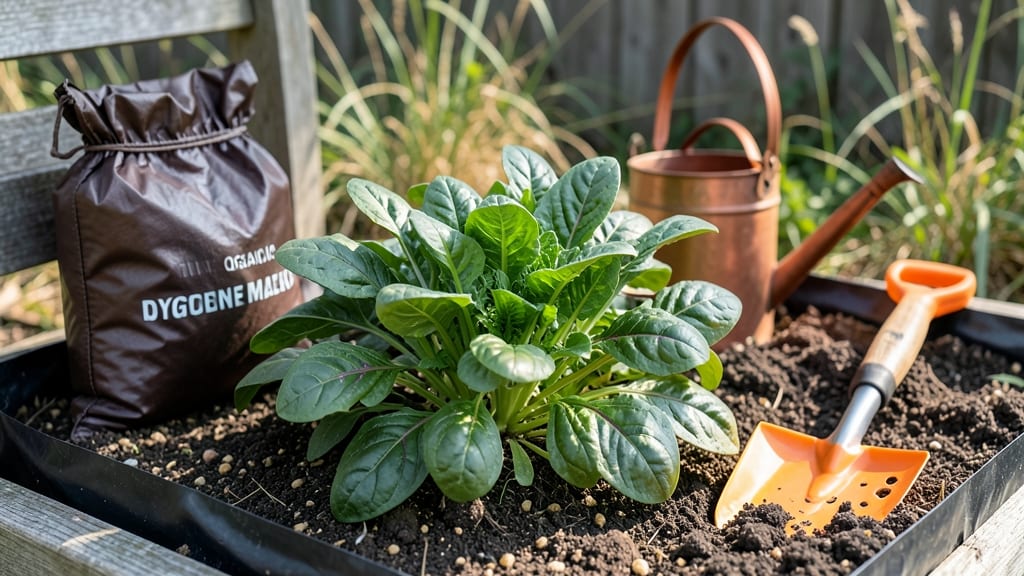
Using nitrogen for garden growth helps plants develop lush green leaves and strong stems by enhancing chlorophyll production, though too much can damage roots and foliage. For best results, add nitrogen during spring and summer using sources like compost, manure, or synthetic fertilizers like urea.
Nitrogen acts like a growth turbocharger for plants, helping them produce the green pigment chlorophyll that captures sunlight for energy. 🌱 Without enough nitrogen, leaves turn yellow and growth slows, but too much can cause leaf burn or stunt root development.
I've found that organic sources like composted manure release nitrogen slowly, feeding plants steadily, while fast-acting fertilizers like ammonium nitrate give an immediate boost—great for leafy greens but risky for delicate flowers.
Timing matters just as much as the type of nitrogen you use. Spring and summer are prime seasons because that's when most plants are actively growing.
For example, tomatoes and lettuce love nitrogen-rich soil, but prune back on it as plants start flowering to encourage fruit production instead of excessive foliage. Always test your soil first to avoid overdoing it—most garden centers offer affordable kits.
💡 In This Article
- How Nitrogen Accelerates Plant Growth at a Cellular Level
- Best Organic and Synthetic Nitrogen Sources for Different Garden Needs
How nitrogen accelerates plant growth at a cellular level
Nitrogen plays a starring role in photosynthesis by becoming a key building block of chlorophyll—the green pigment that gives plants their vibrant color and helps them convert sunlight into energy.
When plants absorb nitrogen through their roots, it combines with other elements to form amino acids, the essential components of proteins that fuel cell division and growth. This process explains why nitrogen-rich soils produce plants with lush, dark green foliage—they're literally maximizing their energy production capacity.
The magic happens in the chloroplasts, where nitrogen helps create the porphyrin ring structure of chlorophyll molecules.
Without sufficient nitrogen, plants can't produce enough chlorophyll, leading to that classic deficiency symptom: yellowing leaves (chlorosis) that start at the older, lower leaves and progress upward. 🌿 What's fascinating is how plants prioritize nitrogen distribution—young leaves often stay green longer because the plant redirects limited nitrogen to new growth areas, even when older leaves are already suffering.
This survival mechanism highlights why early intervention matters when you notice yellowing.
But nitrogen's benefits don't stop at chlorophyll. It's also critical for creating nucleic acids (DNA and RNA) and various enzymes that regulate plant metabolism. For example, nitrogen helps form enzymes like nitrate reductase, which converts nitrate (a common nitrogen form in soil) into ammonium—a more usable nitrogen source for plants.
This biochemical chain reaction explains why plants with adequate nitrogen grow faster and more vigorously, often showing thicker stems and more robust root systems compared to nitrogen-deficient counterparts.
However, the balance is delicate. Too much nitrogen creates a different set of problems by disrupting the plant's nutrient uptake system. Excess nitrogen in the soil can lead to salt buildup that damages root cells, causing them to absorb less water and essential minerals like calcium and magnesium.
This nutrient imbalance manifests as burnt leaf edges or stunted growth despite the plant's overall size appearing large. 🌱 The key is understanding your plants' specific needs—leafy greens like spinach and lettuce thrive with higher nitrogen levels, while fruiting plants often need less nitrogen as they mature to encourage flowering and fruiting instead of excessive foliage production.
Consider how nitrogen affects plant texture as another clue to proper application. Plants with optimal nitrogen levels develop firm, crisp leaves that stand upright, while nitrogen-deficient plants produce soft, floppy leaves that often curl at the edges.
This physical difference occurs because nitrogen supports cell wall development—adequate nitrogen means stronger cell structures that maintain proper turgor pressure (the internal water pressure that keeps plants rigid). The sensory difference is striking when you handle both types of leaves side by-side in your garden.
Seasonal timing directly impacts how plants utilize nitrogen. During spring and summer, when temperatures are warmer and daylight hours are longer, plants photosynthesize more actively, creating higher demand for nitrogen to support this energy production. This is why most gardeners focus their nitrogen applications during these seasons.
The plant's metabolic rate increases dramatically—similar to how your own body burns more calories during summer activities compared to winter. 🌞 Understanding this seasonal rhythm helps explain why nitrogen applications in fall or winter often result in wasted fertilizer, as plants simply can't utilize it as efficiently during their dormant periods.