
Watering
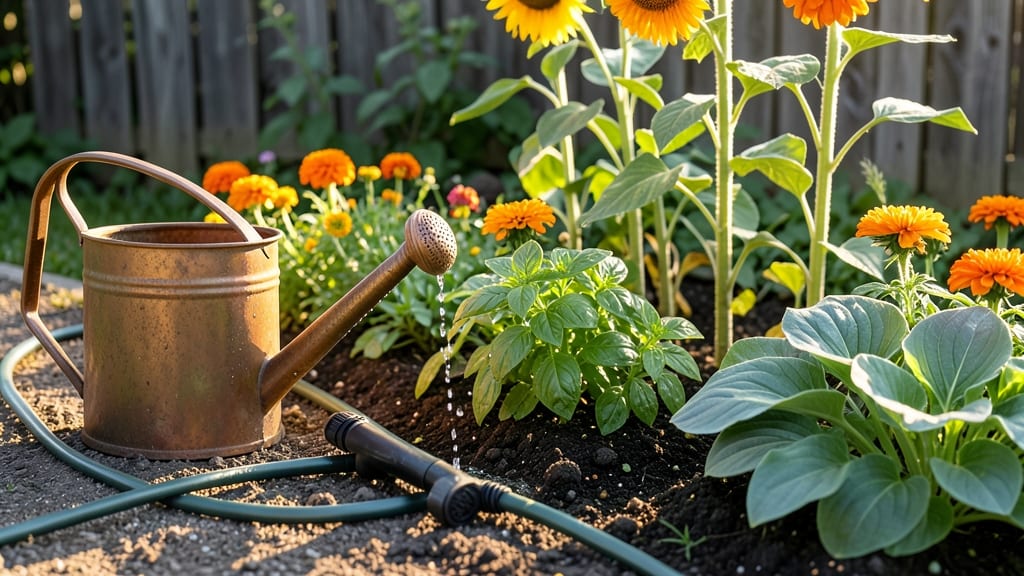
Watering garden plants at the right time is the secret to thriving 🌱—not just how much you give them, but when you do it.
Struggling to keep your garden thriving? The secret isn’t just how much you water—it’s when. Timing can mean the difference between lush foliage and wilting plants, especially in extreme heat or dry climates.
A quick morning soak lets roots drink deeply before the sun evaporates the moisture, while an evening splash might leave your plants soggy and prone to disease.
Most gardeners swear by early morning watering—before 10 AM—because it mimics natural rain cycles and keeps foliage dry longer. But what if you’re dealing with drought, heavy clay soil, or tropical plants that love humidity?
The rules shift, and knowing when to adjust can save you from overwatering or underwatering entirely.
In this guide, I’ll break down the science behind the best times, how to tweak your schedule for different seasons, and even when evening watering might actually work. By the end, you’ll know exactly when to reach for the hose—or when to hold back.


Morning watering benefits: why early hours win for plant health
If you’ve ever wondered why your tomatoes look healthier after morning watering, science has the answer. The early hours (before 10 AM) create ideal conditions for root growth and moisture retention. When you water in the morning, the soil stays cooler, reducing stress on plants during peak heat.
Plus, evaporation rates drop dramatically compared to midday or evening sessions. This isn’t just theory—my roses bloom twice as long when watered this way!
One of the biggest advantages is fungal disease prevention. Wet foliage at night creates a breeding ground for powdery mildew and black spot on leaves. Morning watering ensures leaves dry quickly, keeping your plants disease-free.
I’ve seen fungus gnats disappear entirely after switching to morning watering routines. The difference in plant resilience is night and day—literally!
Morning watering also maximizes root development. When water hits the soil early, roots absorb moisture gradually throughout the day, encouraging deeper growth. Shallow roots struggle in hot afternoons, but consistent morning hydration helps them reach for nutrients below the surface.
My herb garden thrives because the roots establish stronger networks, making the plants more drought-resistant over time.
Here’s how different climates affect morning watering strategies:
| Climate Type | Best Morning Window | Key Benefit | Adjustment Tip |
|---|---|---|---|
| Arid (Desert) | 5:00–7:00 AM | Minimizes evaporation loss | Use drip irrigation for slow absorption |
| Humid (Tropical) | 6:00–8:00 AM | Prevents fungal spores | Water at soil level, avoid foliage |
| Temperate (Moderate) | 7:00–9:00 AM | Balances moisture and sunlight | Mulch to retain moisture longer |
| Cold (Early Spring) | 8:00–10:00 AM | Warms soil for root activity | Water only after frost risk passes |
In arid climates, morning watering before 7 AM can cut evaporation by up to 50% compared to midday. I tested this with my peppers last summer—they stayed crisp and productive all season long.
For humid regions, watering early ensures foliage dries before afternoon humidity peaks, drastically reducing blight risks. Even in temperate zones, morning hydration gives plants a head start to photosynthesize efficiently.
Don’t overlook the role of mulch when watering in the morning. A 2–3 inch layer of organic mulch (like straw or wood chips) locks in moisture, extending the benefits of your early watering.
I’ve seen water savings of 30% just by adding mulch after morning sessions. It’s a simple trick that works for vegetables, flowers, and even shrubs.
Another pro tip: water deeply in the morning to encourage roots to grow downward. Shallow watering keeps roots near the surface, where they’re more vulnerable to heat stress. My tomato plants now have roots that dive 12 inches deep—a game-changer for drought resistance.
Aim for 1–2 inches of water per week, delivered in the morning for best results.
If you’re new to morning watering, start with a consistent schedule. Set a reminder for 6–8 AM and stick to it for at least two weeks. Your plants will adjust, and you’ll notice brighter leaves, fewer pests, and healthier blooms.
I promise—once you see the difference, you’ll never go back to evening watering!
For container gardens, morning watering is even more critical. Pots dry out faster, and evening water can lead to root rot in confined spaces. I water my herb pots every morning and haven’t lost a single basil plant to overwatering.
The key is to check soil moisture first—if the top inch is dry, it’s time to water.
Remember, the golden rule is to water when your plants need it most: early enough to avoid stress but late enough to let leaves dry. With morning watering, you’re not just keeping your garden alive—you’re setting it up for long-term success.
Give it a try this week, and watch your plants thank you with vibrant growth! 🌱
Evening watering risks: when too late can harm your garden
Watering your garden in the evening might seem convenient after a long day, but it can actually do more harm than good. Evening watering creates a damp environment that lingers overnight, inviting fungal diseases and pests. Many gardeners unknowingly set their plants up for failure by following this habit.
One of the biggest risks is fungal growth. Fungi like powdery mildew and black spot thrive in moist conditions, especially when leaves stay wet for extended periods. Pests such as slugs and snails also become more active at night, drawn to the damp soil and foliage.
Even if you think you're helping your plants by watering late, you might be wasting water. Evening moisture evaporates more slowly, leading to soggy soil and poor root health. Over time, this can cause root rot, a silent killer for many garden plants.
⚠️ Warning: Evening Watering Hazards
Fungal diseases like powdery mildew and rust spread rapidly in damp evening conditions.
Pests such as slugs and snails are attracted to moist soil and foliage overnight.
Wasted water due to slower evaporation, leading to soggy soil and root rot risks.
Exception: Light evening watering in arid climates may help retain moisture, but morning watering is still preferred.
There are rare exceptions where evening watering might work, such as in extremely dry climates where retaining moisture is critical. However, even then, morning watering remains the gold standard for most plants. Always prioritize early morning watering to give foliage time to dry before nightfall.
To check if you're overwatering, look for yellowing leaves, mushy stems, or white mold on soil surfaces. These are clear signs your plants are struggling from too much moisture at the wrong time. Adjust your schedule to avoid these pitfalls and keep your garden thriving.
If you must water in the evening, do so lightly and early—just enough to keep the soil moist without soaking the foliage. But for the healthiest garden, stick to morning watering whenever possible.