
Tools
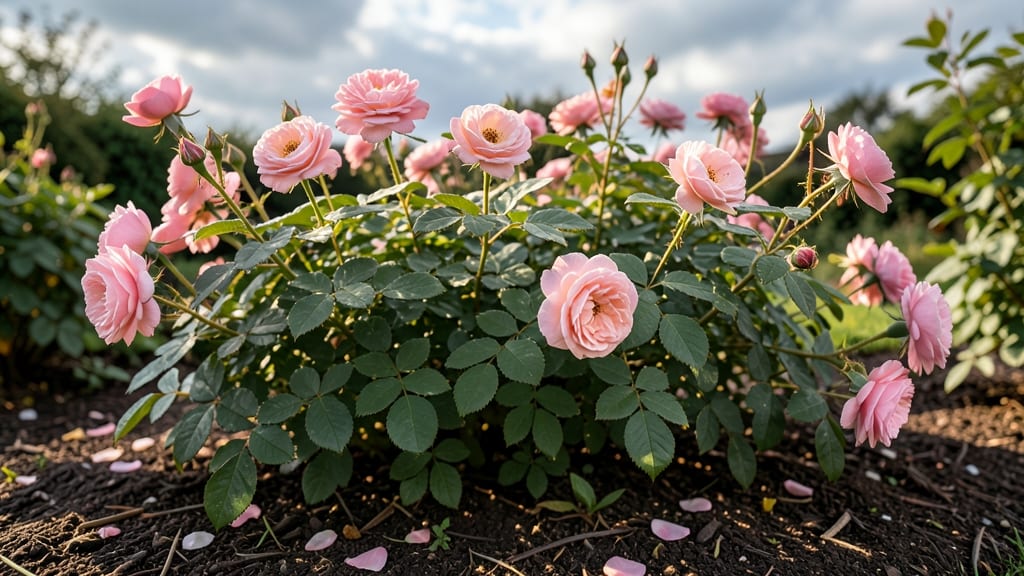
Creating a rose garden in Seattle means choosing frost-resistant varieties like David Austin English Roses or Knock Out roses, amending heavy soil with compost for drainage, and using thick mulch to shield roots from winter chill and spring showers. Seattle’s wet, temperate climate favors continuous-blooming roses that handle moisture well.
Seattle’s cool, damp summers and chilly, wet winters demand roses that handle both moisture and frost without fuss. 🌧️ The city’s Zone 8 climate (with occasional dips below freezing) rules out many traditional roses—like delicate hybrid teas—but opens doors for tougher breeds.
Knock Out roses, for example, bloom nonstop from spring to frost, while David Austin’s English roses offer classic fragrance with better disease resistance. The key is matching varieties to your garden’s microclimate: south-facing spots stay drier, while north sides need extra mulch or windbreaks.
Beyond variety selection, Seattle’s clay-heavy soil often needs amending with compost and sand to prevent waterlogging, which can rot roots. I’ve found that 6+ hours of sunlight is non-negotiable—even Seattle’s mild summers need that for consistent blooms.
For frost protection, a 4-6 inch layer of straw or wood chips over roots in late fall makes all the difference. Everblooming roses like ‘Flower Carpet’ or ‘Dr. Huey’ are my top picks for low-maintenance color year-round.
💡 In This Article
- Seattle’s Climate and Best Rose Varieties for Frost Resistance
- Step-by-Step Guide to Designing a Low-Maintenance Seattle Rose Garden
Seattle’s climate and best rose varieties for frost resistance
Seattle’s Zone 8a climate (with average winter lows of 15-20°F) creates a unique challenge for rose gardeners. The city’s cool, damp summers and wet, chilly winters demand varieties that resist both fungal diseases (like black spot) and frost damage.
Roses like David Austin English Roses thrive here because their hybridized genetics combine classic fragrance with USDA Zone 5-9 hardiness, making them adaptable to Seattle’s occasional -5°F dips. 🌬️ Their layered petals also shed rain better than single-petal varieties, reducing mildew risk in Seattle’s 150+ inches of annual rainfall.
The real game-changer for Seattle gardens is Knock Out roses, bred specifically for durability. These shrub roses bloom continuously from April through October—even after pruning—and handle Zone 4-9 conditions.
Their compact growth (3-5 feet tall) makes them ideal for urban spaces, while their disease-resistant foliage requires 30-50% less fungicide than hybrid teas. For fragrance lovers, ‘Gertrude Jekyll’ (Zone 5-9) delivers old-fashioned scent with 4-inch blooms that withstand wind and rain, common in Seattle’s Puget Sound microclimate.
Hybrid teas, while stunning, often struggle in Seattle’s climate unless given extra protection. Their delicate stems can snap under 30 mph winds (common in winter), and their Zone 6-10 hardiness limits options.
Instead, opt for ‘Double Delight’ (Zone 5-9) or ‘The Fairy’—both bloom prolifically in Seattle’s 60-70°F summers and recover quickly from frost. The key is selecting roses with thick canes (like Knock Out’s 1-inch diameter) that resist wind damage and disease-resistant foliage (look for ‘black spot resistant’ labels).
Seattle’s acidic, clay-heavy soil (pH 5.5-6.5) also plays a role. Roses like ‘Iceberg’ (Zone 4-9) tolerate slightly acidic conditions, but most prefer 6.0-6.5 pH. Amending soil with composted manure or peat moss raises pH while improving drainage—a must for Seattle’s waterlogged winters.
Mulching with cedar chips (pH-neutral) adds 2-3 inches of insulation, protecting roots during 20-30°F nights common in late spring and fall. 🌱
For fragrance enthusiasts, David Austin’s ‘Abraham Darby’ (Zone 5-9) stands out with its tea-rose scent and Zone 5 hardiness. Its 6-inch blooms open sequentially, extending the season by 4-6 weeks compared to single-bloom roses.
Planting near a south-facing wall creates a 5-10°F warmer microclimate, helping roses like ‘Darby’ survive Seattle’s December frosts. Pair it with ‘Knock Out Red’ for year-round color and minimal maintenance.
What most gardeners overlook is pruning timing. In Seattle, wait until March 15-April 1 (after last frost) to prune—earlier cuts expose tender growth to 25-30°F nights. Use sterilized shears to prevent black spot spread, and remove dead wood first to improve airflow.
Knock Out roses need 1/3 reduction, while English roses benefit from shaping cuts to encourage bushier growth. 🌸