
Landscaping
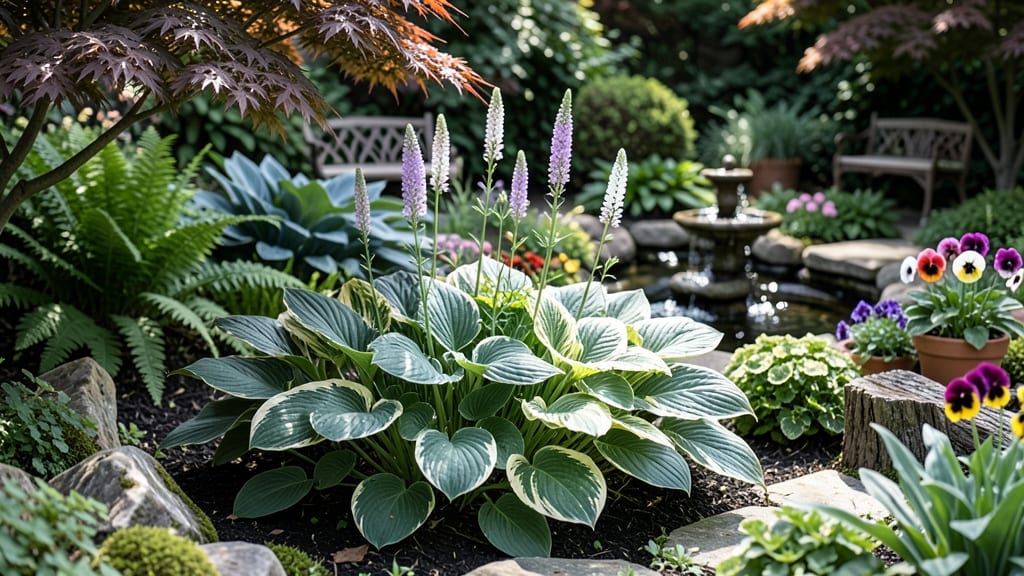
Zone 6 shade garden ideas can turn your dimmest corner into a lush, vibrant retreat with the right plant choices and design tricks.
Struggling to create a vibrant garden in Zone 6’s shady spots? You’re not alone—many gardeners assume low-light areas mean dull landscapes. But with the right shade-loving plants, you can transform even the darkest corners into lush, thriving oases that require minimal effort.
This guide covers low-maintenance perennials like hostas and ferns, plus smart layering techniques to maximize beauty without extra work. We’ll also tackle common mistakes that stifle shade gardens—like overwatering or ignoring soil drainage—so you avoid costly fixes later.
By the end, you’ll have a customized plan for a shade garden that blooms year-round, stays green through summer, and thrives with less than 30 minutes of weekly care.
 Best Window Placement
Best low-maintenance shade plants for Zone 6 gardens
Zone 6 gardens often have those tricky shady spots where sunlight barely reaches, but that doesn’t mean your garden has to look dull. The key is selecting low-maintenance shade plants that thrive in partial to full shade while requiring minimal care.
These hardy perennials, annuals, and ground covers will keep your garden lush and vibrant with almost no effort.
Many shade-loving plants are drought-tolerant once established, meaning they won’t demand constant watering or fussing. I’ve curated a list of the best performers for Zone 6, focusing on plants that handle humidity, varying soil types, and minimal sunlight while still delivering stunning foliage, flowers, and textures.
| Plant Type | Sunlight Needs | Water Needs | Mature Size | Spacing | Best For |
|---|---|---|---|---|---|
| Hostas (Hosta spp.) | Partial to full shade | Moderate (keep soil moist) | 1-3 ft tall, 1-4 ft wide | 12-24 inches apart | Foliage, texture, containers |
| Astilbes (Astilbe spp.) | Partial shade | Moderate (drought-tolerant once established) | 1-4 ft tall, 1-2 ft wide | 12-18 inches apart | Plumes, borders, woodland gardens |
| Hellebores (Helleborus spp.) | Full to partial shade | Low (drought-resistant) | 1-2 ft tall, 1-2 ft wide | 12-18 inches apart | Early blooms, evergreen foliage |
| Ferns (e.g., Dryopteris, Matteuccia) | Full to partial shade | Moderate (keep soil moist) | 1-4 ft tall, 1-3 ft wide | 12-24 inches apart | Texture, woodland gardens |
| Lungwort (Pulmonaria spp.) | Partial to full shade | Moderate (drought-tolerant) | 1-2 ft tall, 1-2 ft wide | 12-18 inches apart | Early color, pollinators |
| Sweet Woodruff (Galium odoratum) | Full shade | Low (drought-tolerant) | 6-12 inches tall, spreads | 12 inches apart | Ground cover, fragrant foliage |
| Japanese Painted Fern (Athyrium niponicum) | Partial to full shade | Moderate (keep soil moist) | 1-2 ft tall, 2-3 ft wide | 18-24 inches apart | Colorful foliage, containers |
One of my favorite shade garden staples is hostas, which come in a stunning array of leaf colors and sizes. They’re incredibly low-maintenance and handle Zone 6 winters with ease.
Plant them in well-draining soil and space them 12-24 inches apart to allow for their mature size. Pair them with Japanese painted ferns for a striking contrast in foliage textures.
For vertical interest, astilbes are a must-have. Their feathery plumes add height and movement to shady areas, and they thrive in partial shade. I recommend planting them in groups of three or five for a natural, full look.
They’re also drought-tolerant once established, making them perfect for busy gardeners.
Hellebores, also known as Lenten roses, are another
Layering techniques to maximize shade garden beauty
Shady gardens often get overlooked, but they offer a unique opportunity to create a serene, lush retreat that thrives without direct sunlight. The key lies in strategic layering—combining plants of varying heights and textures to build depth while keeping maintenance low.
In Zone 6, where summers can be hot and winters chilly, this approach ensures year-round interest with minimal effort.
Start by understanding your shade levels: deep shade (less than 3 hours of light) vs. partial shade (3-6 hours). For deep shade, focus on evergreens and ferns, while partial shade allows for more colorful perennials and shrubs.
The secret? Place tall plants at the back, mid-height plants in the middle, and ground covers or low-spreading plants in front to frame the space elegantly.
- Back Layer (3-6 ft): Use tall shrubs like hydrangeas or Japanese maples for structure. These cast minimal shade on lower plants while adding height and seasonal color.
- Mid Layer (1-3 ft): Add perennials like astilbes or foxgloves for texture and blooms. These thrive in partial shade and fill gaps beautifully.
- Front Layer (under 1 ft): Choose ground covers such as ajuga or heuchera to suppress weeds and add vibrant foliage year-round.
- Color Coordination: Pair blue-green foliage (like hostas) with purple blooms (e.g., heuchera) for contrast. Add white or pale blooms (like bleeding heart) to brighten dark corners.
- Seasonal Interest: Include wintergreens (e.g., winter aconite) for early spring color and fall foliage (like Japanese anemone) to extend the growing season.
When selecting plants, prioritize native or Zone 6-adapted species—they require less water and care. For example, Virginia bluebells bloom in spring, while coral bells (heuchera) provide year-round color.
Mulch with organic matter (like shredded bark) to retain moisture and regulate soil temperature, reducing watering needs by up to 30%.
Don’t forget to incorporate focal points, such as a small boulder or decorative pot, to draw the eye. Place it near the tallest plants to create a natural anchor.
For example, a terracotta pot with ferns beside a hydrangea bush adds texture and height contrast. Group plants in odd-numbered clusters (3 or 5) for a balanced, inviting look.
Finally, plan for year-round structure. Evergreen shrubs like inkberry holly or boxwood provide winter interest, while spring bulbs (like crocuses) pop through the soil early. By layering thoughtfully, your shade garden will feel dynamic and full**, proving that low-light areas can be just as stunning as sunny ones.