
Planting
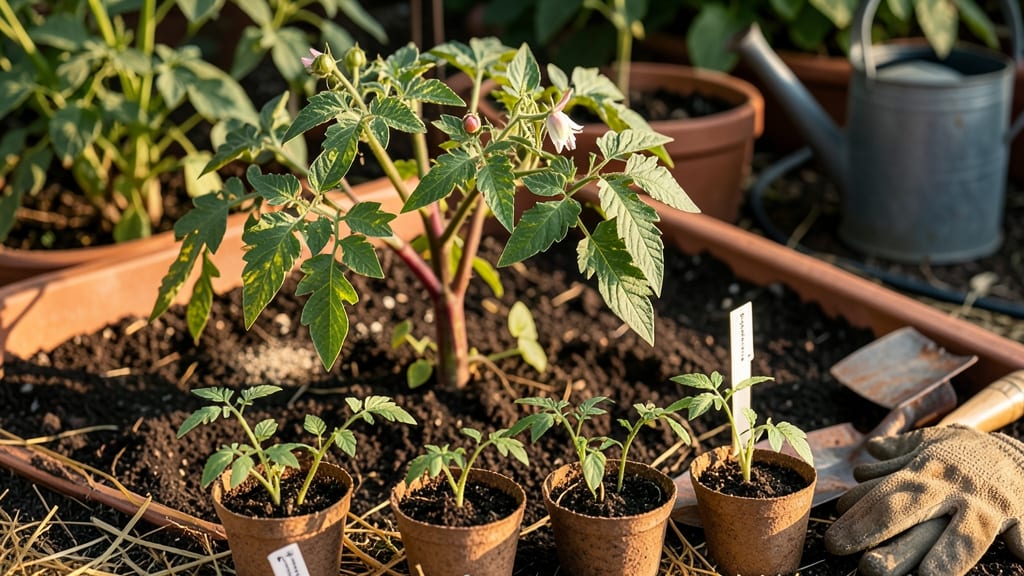
Planting your garden in Zone 7 at the right time means the difference between a bumper crop and a sad, wilted mess.
Zone 7 gardeners face a tricky balance—planting too early risks frost damage, while waiting too long can leave your garden struggling in summer heat. But with the right timing and heat-tolerant crops, you can maximize your growing season and outsmart Mother Nature’s unpredictability.
In this guide, we’ll break down the ideal planting windows for everything from cool-season greens to heat-loving tomatoes, so you know exactly when to get those seeds in the ground. No more guessing, just confident planting.
You’ll also discover how to adjust for unpredictable weather, choose the best varieties for your microclimate, and even extend your harvest into fall. Ready to grow like a pro?
Zone 7 planting calendar: exact dates for cool and warm-season crops
Timing is everything in a Zone 7 garden, where last frost dates average between March 15 and April 15 depending on your microclimate. The Piedmont region tends to warm faster than the Appalachian foothills, so adjust your schedule accordingly.
I’ve planted tomatoes too early in the mountains only to watch them wilt from unexpected late frosts—don’t make my mistake!
Your planting strategy should revolve around two key principles: soil temperature (aim for 60°F+ for warm-season crops) and heat tolerance thresholds. Cool-season crops like kale and peas thrive when nights stay below 75°F, while okra and sweet potatoes demand consistent 85°F+ heat.
Let’s break down the exact windows for each season.
🌱 PRO TIP: Use a soil thermometer to verify readiness—warm-season seeds won’t germinate below 65°F, no matter how eager you are! For Piedmont gardeners, that’s typically mid-April to early May, while Appalachian gardeners should wait until late April to mid-May.
For early spring planting, focus on frost-tolerant crops like broccoli and cabbage as soon as soil is workable (usually mid-March). These cool-season vegetables can handle light frosts down to 25°F, giving you a head start.
I always plant a test row of radishes first—they germinate in just 5 days, confirming your soil’s ready!
Transition to warm-season crops only after your last frost date, which typically falls between April 15 and May 15. Start tomatoes and peppers indoors 6-8 weeks before this date to ensure they’re robust enough for transplanting.
My Appalachian garden waits until May 1 for these heat-lovers, while Piedmont gardeners can plant two weeks earlier.
Summer in Zone 7 brings intense heat, so prioritize drought-tolerant crops like okra and sweet potatoes. These thrive when daytime temps hit 90°F+, which usually occurs by mid-June.
I’ve found that mulching heavily with straw keeps soil temps stable and reduces watering needs by 40%—a game-changer for July’s scorching afternoons.
Don’t overlook fall planting, which can extend your harvest well into November. Sow kale and carrots by mid-August for a cool-season bounty. These crops actually sweeten with frost, making them perfect for late harvests. I’ve harvested broccoli in December with just a light row cover!
For herbs and flowers, basil and marigolds love the heat and can be planted alongside warm-season veggies in May. However, parsley and chives prefer cooler temps, so plant them in early spring or fall.
My Zone 7 herb garden thrives with this two-season approach, giving me fresh flavors year-round.
🌿 REGIONAL TIP: Piedmont gardeners can push planting dates 1-2 weeks earlier than Appalachian counterparts due to faster soil warming. Use your local cooperative extension service for precise frost date data—every 100 feet elevation gain can delay spring by 3-5 days!
Top 10 heat-tolerant vegetables that thrive in Zone 7’s summer heat
When Zone 7 summers hit, many gardeners panic as their lettuce bolts and tomatoes sizzle. But heat-tolerant vegetables like okra and sweet potatoes don’t just survive—they thrive with the right care.
I’ve grown these drought-resistant crops for years and can tell you which ones deliver high yields even when temps soar past 90°F.
These summer vegetables aren’t just about survival—they’re about prolonged harvests and minimal water needs. Whether you’re dealing with Piedmont humidity or Appalachian heat waves, these top 10 picks will keep your garden productive when other crops fail.
Let’s start with okra, my go-to for summer heat. This drought-resistant vegetable produces pods even when other plants wilt. Plant seeds directly in soil after the last frost date, spacing them 12-18 inches apart.
Okra loves full sun and poor soil—just add a compost top dressing at planting time.
Next up: sweet potatoes, which store energy underground and keep growing when temps climb. Start slips (young plants) in late May after soil reaches 65°F. Use black plastic mulch to retain moisture and prevent weeds. These heat-loving tubers thrive with minimal watering once established.
For leafy greens that don’t bolt, try Malabar spinach. Unlike regular spinach, this tropical relative handles 95°F+ temps with ease. Sow seeds after June 1 in partial shade to prevent scorching. It’s a fast grower—harvest in just 45-55 days—and self-seeds prolifically.
Don’t overlook black-eyed peas, which fix nitrogen in the soil while producing edible pods and peas. Plant seeds after May 10 when soil is warm. These drought-tolerant legumes pair perfectly with okra and sweet potatoes in companion planting setups to reduce pest pressure.
To extend harvests through late summer, use shade cloth (30-50%) for heat-sensitive varieties like Malabar spinach. For okra and sweet potatoes, focus on deep watering every 5-7 days instead of daily shallow watering. Mulch heavily with straw to lock in moisture and regulate soil temps.