
Pests
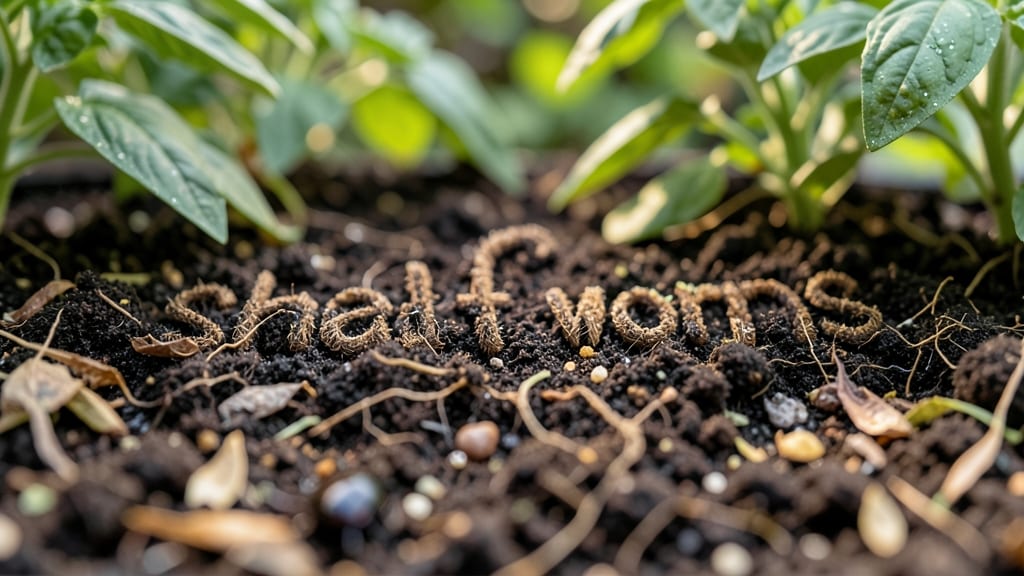
Adding worms to your raised garden bed is a smart move for healthier soil, as they aerate the earth, decompose organic waste, and boost nutrient availability—but only if you maintain consistent moisture and partial shade. Begin with 1-2 pounds of compost worms per 100 square feet.
Worms act like natural plows, tunneling through soil to create air pockets that improve drainage while their castings release essential nutrients plants crave. 🌱 The real magic happens underground: their digestive process breaks down tough organic matter into plant-available forms faster than compost alone.
I’ve seen raised beds with worms produce greener foliage and stronger root systems within just a few months.
Not all worms thrive in raised beds, though. Red wigglers (Eisenia fetida) are the superstars here—they love warm, moist environments and feast on kitchen scraps. Nightcrawlers, while excellent for open soil, often burrow deeper than raised beds can support.
Start by adding worms to a dedicated "worm hotel" section of your bed with damp newspaper bedding before gradually introducing them to the rest of the soil.
💡 In This Article
- How Earthworms Enhance Raised Garden Soil
- Best Worm Types and Setup Tips for Raised Beds
How earthworms enhance raised garden soil
Earthworms function as nature's soil engineers, creating tiny tunnels that improve aeration and water infiltration. Their burrowing activity increases soil porosity by up to 50% in just a few months, which is critical in raised beds where compaction can be an issue.
These tunnels also provide perfect highways for beneficial microbes and fungal hyphae to move through the soil matrix, creating a thriving underground ecosystem that plants can access more easily.
The real transformation happens through their digestive process. Worms consume organic matter—everything from leaf litter to vegetable scraps—and excrete nutrient-rich castings that contain 5 times more nitrogen, phosphorus, and potassium than the original material.
Their castings also have a higher cation exchange capacity, meaning they hold onto essential nutrients like calcium and magnesium more effectively. This is why plants grown in worm-inhabited soil often show 30-40% faster growth rates compared to non-worm soil.
What makes worms uniquely effective is their ability to process materials that other soil organisms can't handle. While bacteria and fungi break down simple sugars and proteins, worms tackle tougher materials like cellulose and lignin found in plant stems and leaves.
Their grinding gizzards physically break down these complex compounds into forms that plants can absorb directly. This multi-level processing creates a more balanced soil food web than relying on microbial activity alone.
Worms also play a crucial role in water retention. Their tunnels create capillary action that helps water penetrate deeper into the soil profile, reducing surface runoff by up to 25%. This is particularly valuable in raised beds where water can evaporate quickly.
The worms' activity creates a sponge-like structure that holds moisture near plant roots while allowing excess water to drain away, preventing both drought stress and waterlogging.
One often-overlooked benefit is their impact on soil structure. Worms produce a glue-like substance called mucopolysaccharides as they move through the soil, which helps bind soil particles together without creating hardpan.
This creates an ideal crumb structure that's loose enough for roots to penetrate but stable enough to support plant growth. In contrast, chemical fertilizers can disrupt this natural structure by altering soil pH and microbial balance.
For comparison, consider that a single pound of healthy worms can process about 1 pound of organic matter per day.
In a 100 square foot raised bed, this means they could break down roughly 200 pounds of organic material annually—equivalent to several inches of composted leaves or vegetable waste. This level of nutrient recycling is what turns raised beds from static containers into dynamic, self-sustaining ecosystems.
However, it's important to note that worms work best when they have companions. Their activity stimulates microbial populations by 20-30%, creating a synergistic relationship where microbes break down materials worms can't process, and worms create the ideal environment for microbial growth.
This microbial-worm partnership is what truly transforms raised bed soil from good to exceptional.