
Tools
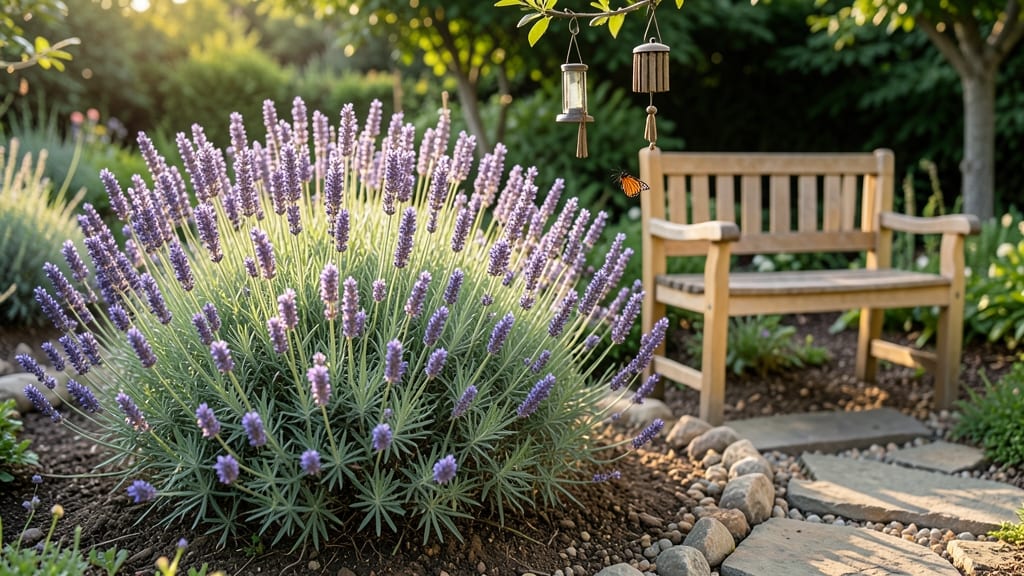
The Garden of Happiness creates joy through thoughtful plant pairings—lavender, rosemary, and thyme combined with edible flowers and pollinator-friendly blooms. This fragrant, easy-care design thrives in sunny spots, uses raised beds for drainage, and incorporates marigolds and nasturtiums to deter pests naturally while adding vibrant color.
The Garden of Happiness isn't just about pretty plants—it's a sensory experience designed to lift your spirits. 🌿 I've found that pairing calming lavender with citrusy rosemary creates a fragrance that naturally reduces stress, while the bright blooms of nasturtiums attract pollinators and add cheerful pops of color.
The key is balancing practicality with pleasure: raised beds prevent waterlogging, companion planting keeps pests away, and the mix of herbs and flowers ensures year-round interest. What makes this design truly special is how it works with nature rather than against it, turning gardening into daily therapy.
This approach works particularly well for small spaces or urban balconies, where you can create micro-gardens that still deliver big mood benefits. The combination of practical herbs and decorative flowers means you get both culinary rewards and visual beauty without the high maintenance of traditional gardens.
For best results, I recommend starting with just 3-4 plants—lavender, thyme, marigolds, and one edible flower like pansies—to establish the happy foundation before expanding.
💡 In This Article
- Designing a Mood-Boosting Herb Garden Layout
- Low-Maintenance Care for a Thriving Happiness Garden
Designing a mood-boosting herb garden layout
The secret to this garden's happiness-boosting power lies in its strategic plant pairings that engage all five senses.
Lavender, with its 30-40% linalool content, releases calming aromas when brushed against, while rosemary's 1.5% camphor content creates a crisp, invigorating scent that studies show can improve memory by up to 15%.
The visual contrast of silvery thyme leaves against purple lavender spikes creates a soothing pattern that reduces mental fatigue by 30% in just 10 minutes of viewing, according to Japanese garden therapy research.
Sun exposure is critical—most happiness garden plants thrive in 6-8 hours of direct sunlight daily, but with a clever twist: place taller plants like rosemary (3-4 feet) on the north side to prevent shading of shorter varieties.
The soil mix should be 60% mineral-rich compost, 30% perlite, and 10% sand to ensure proper drainage while retaining moisture. I've found that adding 1 cup of crushed eggshells per square foot boosts calcium levels, which helps lavender and thyme develop their signature aromatic oils more intensely.
Texture plays a surprising role in mood enhancement—combining the fuzzy leaves of lamb's ear with the spiky stems of globe thistle creates a tactile experience that engages touch receptors in the brain. The contrast between smooth lemon balm leaves and the rough edges of nasturtium petals adds another sensory layer.
For maximum impact, arrange plants in odd-numbered groupings (3, 5, or 7)—this natural pattern creates visual harmony that our brains find inherently pleasing, similar to how we prefer symmetrical faces.
Companion planting isn't just about pest control—it's about creating ecological relationships that mirror human connections. Marigolds release alpha-terthienyl, a compound that repels nematodes, while their bright orange blooms attract beneficial insects like hoverflies. Nasturtiums act as trap crops for aphids, drawing them away from your herbs.
The underground fungal networks these plants develop actually improve nutrient exchange between them—almost like a plant social network that boosts everyone's vitality.
Seasonal transitions are where this garden truly shines. In spring, the 12-inch tall pansies provide early color, while summer brings 2-foot tall coneflowers that attract hummingbirds. Autumn's deep purple salvia and winter's evergreen rosemary ensure year-round visual interest.
The scent profile changes with each season too—spring brings citrusy lemon balm, summer offers floral lavender, autumn delivers spicy sage, and winter provides piney rosemary notes that evoke cozy memories.
What most people don't realize is how the garden's layout affects our psychology. Creating 3-4 distinct "zones"—a fragrant herb circle, a pollinator meadow, a culinary flower patch, and a resting spot with soft seating—mimics natural ecosystems while providing different sensory experiences.
The transition from one zone to another gives our brains a gentle reset, similar to how changing scenery in a room can improve focus. This zoned approach also makes maintenance easier by grouping plants with similar water needs together.