Popular Garden Plants: Year-Round Beauty with Pollinator Power

Companion Plants

Popular Garden Plants: Year-Round Beauty with Pollinator Power

Growing popular garden plants đŸŒ± like lavender, sunflowers, and tomatoes can turn your yard into a vibrant, buzzing haven for pollinators—while keeping your maintenance low.

Picture this: a garden that never looks bare, where bees hum from spring blooms and hummingbirds dart between late-summer flowers. The secret isn’t complicated—it’s about choosing the right mix of easy-to-grow plants that thrive together, support wildlife, and still look stunning in photos.

Whether you’re a beginner with a small balcony or a seasoned gardener with a sprawling plot, the plants in this guide do the heavy lifting. They handle heat, drought, and pests better than many fussy varieties, and they’ll reward you with year-round color and texture without demanding constant attention.

Below, I’ll share my top picks for pollinator-friendly plants that attract bees, butterflies, and birds—plus how to arrange them for maximum beauty and minimal work. Ready to design a garden that works as hard as you do?

Top 10 year-round pollinator-friendly plants for every climate

Creating a garden that buzzes with life year-round is easier than you think! These pollinator-friendly plants provide nectar, shelter, and breeding grounds for bees, butterflies, and hummingbirds while adding stunning visual interest to your landscape.

Whether you live in a hot desert zone or a cool mountain climate, these hardy varieties ensure your garden stays vibrant and functional in every season.

I’ve curated this list to include a mix of perennials, annuals, and evergreens that thrive across USDA hardiness zones 3-11. Each plant offers continuous blooms, ensuring pollinators always have access to food. From drought-resistant natives to cold-hardy classics, these selections are perfect for gardeners of all experience levels.

Why focus on pollinators? They’re the backbone of our ecosystems, responsible for one-third of our food crops. By planting these species, you’re not just beautifying your space—you’re supporting biodiversity and local wildlife. Let’s dive into the top 10 plants that will keep your garden thriving and buzzing all year!

How to design a pollinator garden that thrives all year

A thriving pollinator garden isn't just about planting flowers—it's about creating a layered ecosystem where bees, butterflies, and hummingbirds have food, shelter, and breeding grounds year-round. The key lies in strategic plant layering by height, bloom time, and function.

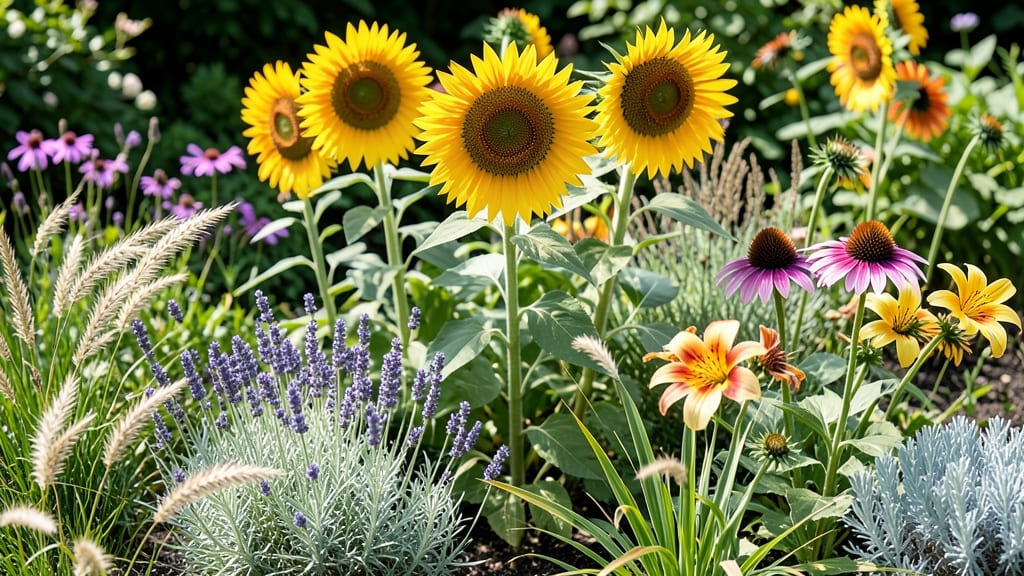
Start with tall perennials like coneflowers and sunflowers as your backbone, then add mid-height shrubs like butterfly bush, and fill gaps with low-growing annuals like alyssum. This creates visual interest while ensuring pollinators always find resources.

Seasonal planning is equally critical. Early spring needs early bloomers like crocus and hellebore, while summer demands nectar-rich options like lavender and milkweed. Fall transitions to asters and goldenrod, and winter evergreens like winterberry holly provide shelter.

By staggering bloom times, you eliminate "hungry gaps" when pollinators might struggle. Pair each plant with its companion plants—like dill with swallowtail caterpillars—to maximize biodiversity.

đŸŒ± 5 Essential Design Principles for Year-Round Success

  1. 🌿 Layer by Height: Tall (9+ ft), Mid (3-6 ft), Low (<2 ft) to create vertical habitat
  2. 🌾 Stagger Bloom Times: Early (March-April), Mid (May-July), Late (August-October)
  3. 🐝 Include Host Plants: Milkweed for monarchs, parsley for black swallowtails
  4. 🌳 Add Year-Round Structure: Evergreens (arborvitae) and bare branches (dogwood) for overwintering
  5. 💧 Prioritize Water Sources: Shallow dishes or dripping faucets for hydration

Begin with a sun-loving backbone of perennials like bee balm and black-eyed Susan, which thrive in full sun and attract pollinators from June through September. Underplant them with shade-tolerant annuals like lobelia or snapdragons for spring and fall color.

Mulch with wood chips to retain moisture and suppress weeds—critical for pollinators in drought-prone areas. Group plants by their water needs to simplify irrigation while ensuring no plant wilts.

Don't overlook seasonal transitions. In early spring, plant pulsatilla (pasqueflower) and columbine for bees emerging from hibernation. As temperatures rise, introduce zinnia and cosmos for late-summer blooms. For fall, sedum and goldenrod provide nectar when other flowers fade.

Each season's plants should overlap slightly to ensure continuous food sources. For example, Russian sage blooms from July to October, bridging summer and fall.

Incorporate native plants where possible—they've co-evolved with local pollinators and require less maintenance. Pair purple coneflower with blazing star for a drought-resistant combo that thrives in USDA zones 3-9. Add wild bergamot for its fragrant blooms and butterfly magnet appeal.

These plants support native bee species that struggle with non-native alternatives. For urban gardens, container-friendly options like pentas or calendula work beautifully on patios.

Finally, create shelter microhabitats. Leave patches of bare soil for ground-nesting bees, and include dense shrubs like serviceberry for overwintering butterflies. Add a small water feature with pebbles for safe drinking.

By combining these elements, your garden becomes a self-sustaining pollinator haven that thrives through all four seasons—while looking stunning year-round. đŸŒ»

★★★★★4.9(4 reviews)
Categories Companion Plants
Plant Name Type Sun Needs Bloom Season Hardiness Zones Pollinator Benefit
Bee Balm (Monarda) Perennial Full Sun to Part Shade Summer to Fall 3-9 Attracts hummingbirds & bees
Coneflower (Echinacea) Perennial Full Sun Summer to Fall 3-9 Drought-tolerant, bee magnet
Milkweed (Asclepias) Perennial Full Sun to Part Shade Spring to Summer 3-10 Host plant for monarchs
Lavender (Lavandula) Perennial Full Sun Summer to Fall 5-9 Fragrant, attracts bees
Salvia (Salvia spp.) Perennial/Annual Full Sun Spring to Fall 4-10 Hummingbird favorite
Black-Eyed Susan (Rudbeckia) Perennial Full Sun to Part Shade Summer to Fall 3-9 Long-lasting blooms
Goldenrod (Solidago) Perennial Full Sun to Part Shade Summer to Fall 3-9 Late-season nectar source