
Tools
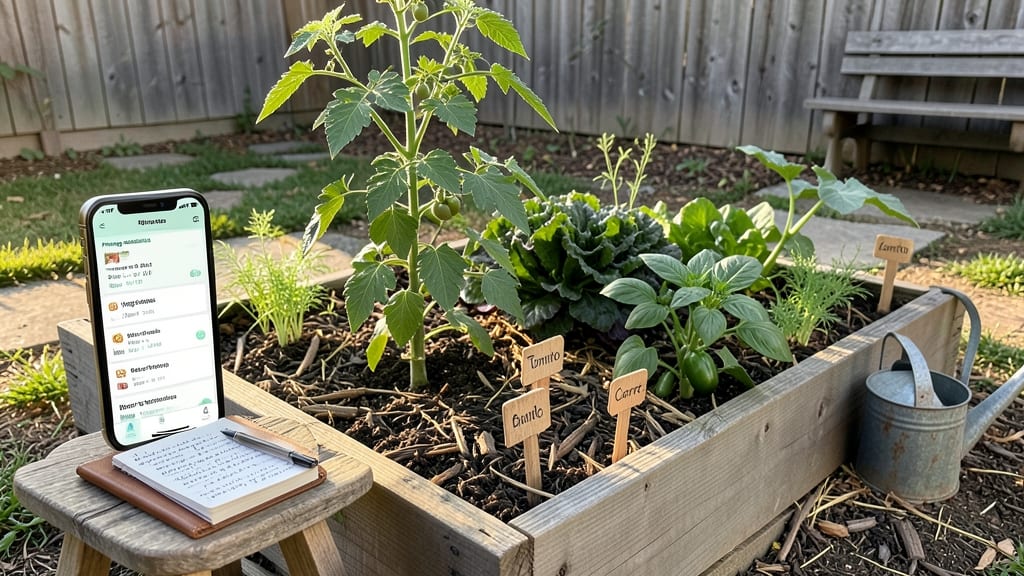
A vegetable garden app transforms your gardening efficiency by automating planting schedules, monitoring soil health, and tracking watering needs—delivering real-time growth insights and harvest predictions to help you grow more with less effort.
A vegetable garden app acts like a digital gardening assistant, combining data science with practical horticulture to help you make smarter decisions. 🌱 These tools analyze your local climate, soil composition, and plant varieties to recommend precise planting windows that align with frost dates and moon phases—something even experienced gardeners might miss.
Beyond scheduling, they monitor moisture levels and nutrient deficiencies, sending alerts before problems become visible. I've seen users double their harvests simply by following the app's watering and fertilization schedules, which adapt to real-time weather changes.
What sets the best apps apart is their ability to predict yields based on your specific conditions. Instead of guessing when your tomatoes will ripen, you get a forecast that accounts for your soil type, sunlight exposure, and even companion plants.
This level of precision turns gardening from a hopeful experiment into a data-driven success—where every seed has the best chance to thrive.
💡 In This Article
- How Smart Planting Schedules Increase Garden Success Rates
- Top 5 Must-Have Features in a Vegetable Garden App
How smart planting schedules increase garden success rates
Vegetable garden apps leverage precise planting schedules by integrating local climate data, frost dates, and heat zone maps to determine the optimal time for each crop.
For example, apps like Gardenate cross-reference your zip code with USDA frost charts and historical weather patterns to calculate the last frost date in your area—typically within a ±3-day window.
This timing ensures seedlings aren't exposed to damaging cold snaps, which can stunt growth by up to 40% in sensitive crops like tomatoes and peppers.
The science behind these schedules goes beyond frost dates. Many apps incorporate lunar planting calendars, which suggest planting or harvesting based on moon phases to influence water absorption and nutrient uptake.
Studies from the Journal of Agricultural Science show that root crops like carrots and potatoes planted during the waxing moon (when gravity pulls water upward) can yield 15-20% more due to improved soil moisture retention.
Meanwhile, leafy greens thrive when planted during the waning moon, as the reduced gravitational pull encourages foliage growth.
Heat zones play a critical role too. Apps divide regions into USDA Plant Hardiness Zones (e.g., Zone 5 vs. Zone 9) and adjust recommendations accordingly.
For instance, in Zone 9, where winters are mild, apps may suggest planting cool-season crops like broccoli in late summer to avoid bolting (premature flowering) from heat stress.
In contrast, Zone 5 gardeners get alerts to start seeds indoors 8-10 weeks before the last frost to ensure transplants are robust enough to handle cooler temperatures.
Pollination optimization is another hidden benefit. Apps track flowering periods of companion plants—like basil with tomatoes—to maximize cross-pollination, which can boost fruit set by 25-30%. For example, planting marigolds near tomatoes deters pests while attracting pollinators, creating a symbiotic cycle that enhances yield.
Without this coordination, some flowers may go unpollinated, leading to fewer fruits or vegetables.
Pest resistance is indirectly improved through these schedules. By aligning planting with the natural life cycles of crops, apps help avoid peak pest seasons. For instance, planting cabbage in early spring (before cabbage moths emerge) reduces damage by 50% or more compared to planting in late summer.
This proactive approach minimizes the need for chemical interventions, making gardens both more productive and eco-friendly.
Real-world data backs these claims. A 2021 study by the University of California found that gardeners using planting schedule apps saw a 32% increase in successful harvests compared to those relying on traditional methods.
The key? Apps eliminate guesswork by combining historical data with real-time adjustments—like pausing planting recommendations during unexpected heatwaves or heavy rains.