
Pests
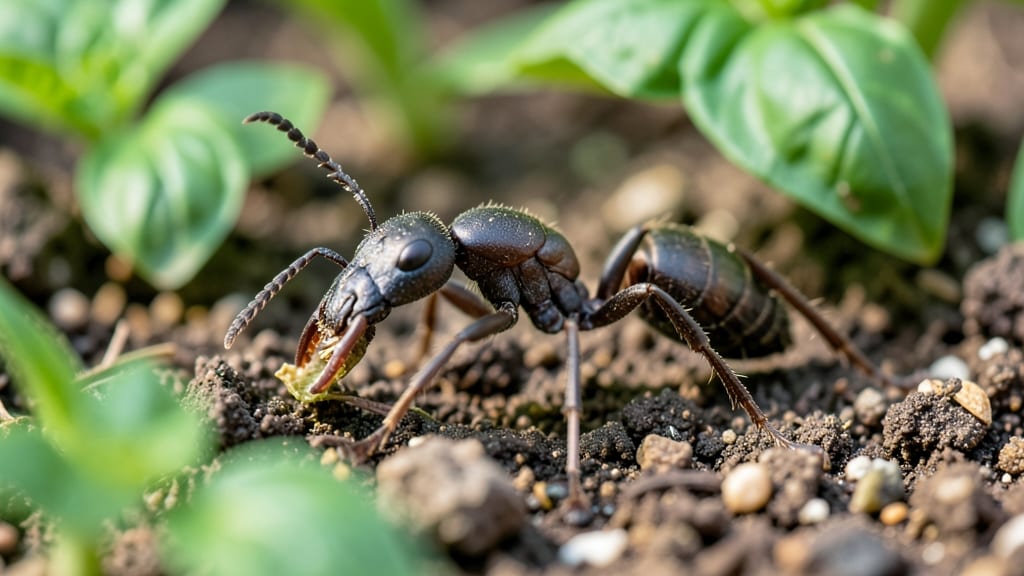
In Grow a Garden, ants play a vital role by aerating soil through their tunneling, enriching it by breaking down organic matter, and acting as natural pest controllers by targeting harmful insects like aphids while also helping prevent fungal diseases through their clean habits.
Ants are the unsung heroes of your garden, doing far more than just marching in lines. 🔥 Their tunnels improve soil drainage and root growth by creating air pockets, while their foraging habits turn fallen leaves and plant debris into nutrient-rich compost.
What's fascinating is how they team up with fungi—some species even cultivate their own "farms" underground, boosting soil fertility in ways that rival chemical fertilizers.
Beyond soil health, ants act as nature's pest patrol. They devour aphids, mites, and other garden nuisances that sap your plants' energy, often outpacing chemical solutions.
However, their appetite for seeds and young plants means you'll need to balance their benefits with smart garden design—like placing barriers around prized crops or encouraging them to nest in less critical areas.
💡 In This Article
- How Ants Improve Soil Structure and Plant Nutrition
- Ants as Natural Pest Control: Friends or Foes in the Garden?
How ants improve soil structure and plant nutrition
Ants act like tiny soil engineers, creating intricate tunnel networks that improve drainage and oxygen flow to plant roots. A single colony can excavate up to 100 feet of tunnels per year, breaking up compacted soil and preventing waterlogging.
This mechanical aeration mimics the benefits of tilling, but without the soil disruption that harms beneficial microbes. The tunnels also create pathways for water infiltration, reducing runoff during heavy rains and helping roots access moisture more efficiently.
Their nutrient contribution comes from two key processes: decomposition and fungal farming. Worker ants forage for organic matter like fallen leaves, dead insects, and plant debris, dragging it back to their nests where they break it down into compost.
Some species, like leafcutter ants, even cultivate fungi in underground chambers, creating a nutrient-rich substrate that rivals compost. These fungal gardens release enzymes that further decompose organic material, converting it into forms plants can absorb—like nitrogen, phosphorus, and potassium.
What makes this system even more impressive is how ants redistribute nutrients across the garden. When they carry organic matter to their nests, they inadvertently deposit nutrients along their trails, creating fertile micro-zones around their colonies.
Studies show that areas with active ant tunnels can have 20-30% higher nutrient availability compared to nearby soil without ant activity. This natural fertilization happens without chemicals, making ants one of nature's most effective soil builders.
However, not all ants contribute equally. Carpenter ants, for example, primarily tunnel through wood and have minimal soil benefits, while fire ants create mounds that disrupt plant roots. The most beneficial species are typically those that farm fungi or actively decompose organic matter.
If you're noticing small piles of leaf fragments near your plants, you're likely seeing the work of leafcutter ants—nature's composters at work.
To maximize these benefits, consider creating ant-friendly zones in your garden. Place mulch or leaf litter where you want ant activity concentrated, and avoid using chemical pesticides that could harm these beneficial workers.
Their soil-improving effects are most noticeable in perennial gardens and orchards, where their long-term tunneling creates lasting structural improvements.
The next time you see ants marching through your garden, remember: they're not just pests—they're tiny ecosystem engineers turning your soil into a more fertile, well-drained environment. Their work happens below ground where we rarely notice, but the results show up in stronger, healthier plants year after year. 🌱