
Size
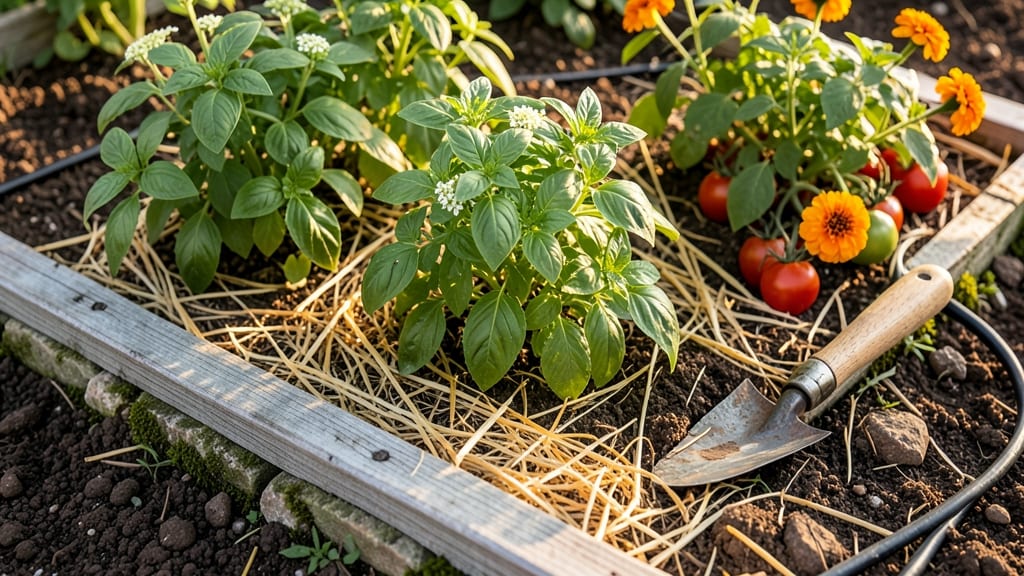
Garden plants that grow well together include basil with tomatoes to improve flavor, marigolds with vegetables to repel pests, and lettuce with carrots to maximize space efficiency. Strategic pairings boost yields and deter diseases naturally.
When planning your garden layout, companion planting isn't just about aesthetics—it's a smart strategy to maximize growth and minimize pests. 🌱 Marigolds, for example, release natural chemicals that repel nematodes, while basil acts as a living mulch that improves tomato flavor and deters flies.
These pairings work because they create a balanced ecosystem where each plant supports the other's health, whether through pest control, soil enrichment, or shade. For small spaces, try combining radishes with cucumbers—the radishes grow quickly and mark rows, while cucumbers use vertical space efficiently.
Beyond these classic combinations, legumes like peas fix nitrogen in the soil, benefiting heavy feeders like corn or potatoes. Meanwhile, tall plants such as sunflowers can provide shade for heat-sensitive herbs like cilantro.
The key is observing how plants interact in your specific climate—what thrives together in one region might clash in another. Start with a few proven pairings, then experiment to discover what works best in your garden!
💡 In This Article
- Science Behind Companion Planting Success
- Top 10 Space-Saving Plant Pairings for Small Gardens
Science behind companion planting success
Companion planting works through a fascinating interplay of chemical signals and ecological relationships. Take marigolds, for instance—they release pyrethrin, a natural insecticide that repels aphids, nematodes, and even rabbits.
When planted near vegetables like tomatoes or cabbage, these flowers create a protective barrier without chemicals. 🌼 The science gets even more interesting with basil: it emits compounds that mask the scent of tomatoes, confusing pests like whiteflies that rely on these aromas to locate their hosts.
Soil improvement is another critical mechanism. Legumes like peas or clover form symbiotic relationships with soil bacteria, converting atmospheric nitrogen into a form plants can absorb. This nitrogen enrichment benefits heavy feeders like corn or potatoes, which deplete soil nutrients.
In one study, corn yields increased by 20-30% when planted after legumes compared to monoculture plots. Meanwhile, deep-rooted plants like dill or comfrey bring up nutrients from lower soil layers, making them available to shallow-rooted companions.
Physical interactions also play a role. Tall plants like sunflowers provide shade for heat-sensitive herbs such as cilantro, preventing bolting (premature flowering). Conversely, low-growing plants like thyme deter weeds by covering the soil, reducing moisture loss and competition.
The root systems of carrots and lettuce grow at different depths, allowing them to share space without competing for nutrients—a perfect example of vertical layering that maximizes garden efficiency.
Pest deterrence extends beyond just chemical repellents. Some plants, like onions and garlic, release sulfur compounds that deter fungal diseases in nearby crops. Others, such as nasturtiums, act as trap crops, luring pests away from more valuable plants.
The key is understanding these interactions: for example, while beans and onions make great companions, planting them too close can stunt both due to their competing nutrient needs.
Climate matters too. In cooler regions, peas and carrots thrive together—the peas fix nitrogen while the carrots tolerate the cooler soil. But in hot climates, this pairing might fail because carrots prefer cooler temperatures.
Always consider your local growing conditions when selecting companions. 🌍 The most successful gardens mimic natural ecosystems where every plant has a role, whether it's attracting pollinators, improving soil, or simply sharing space without conflict.
What most gardeners overlook is the role of microclimates within the garden. A north-facing wall might create cooler conditions ideal for leafy greens, while a south-facing bed can support heat-loving plants like peppers.
By strategically placing companions that complement these microenvironments, you create a self-sustaining system where each plant contributes to the others' success.