
Planting
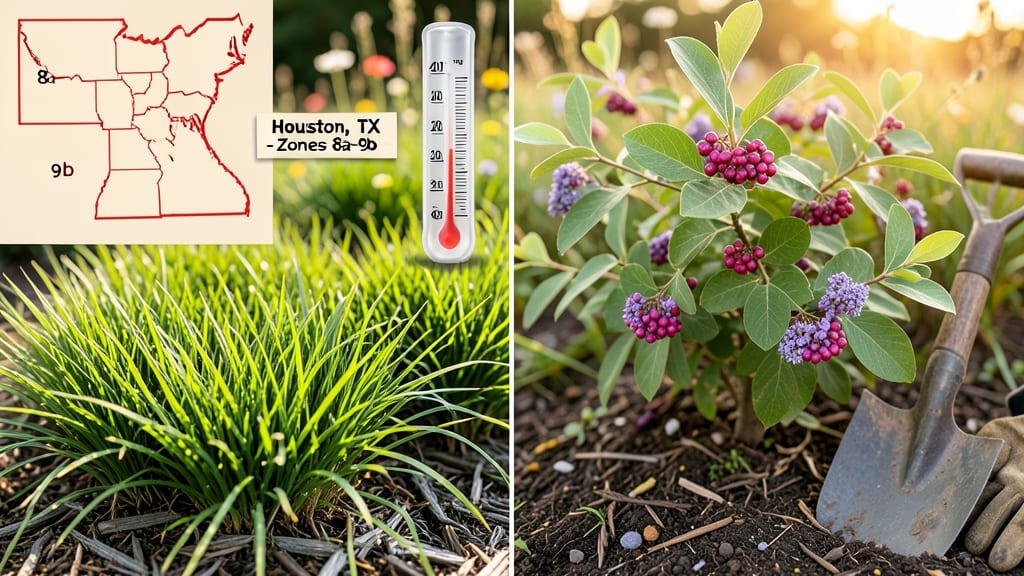
Houston, TX, is in the gardening zone 9a, where winters average between 20°F and 25°F (-6.7°C to -3.9°C), creating ideal conditions for growing tropical plants like citrus and bougainvillea year-round.
Houston's classification as Zone 9a means you can grow a wider variety of plants than in colder regions, including many that would freeze in northern climates. 🌿 The extended growing season—often 300 days or more—lets gardeners plant vegetables like tomatoes and peppers well into fall, while subtropical shrubs thrive with minimal care.
However, even Houston's mild winters can bring rare cold snaps, so protecting tender plants during unexpected freezes is key to long-term success.
This zone also means humidity and heat play major roles in plant health. Many tropical plants not only survive but flourish here, though some may need afternoon shade to prevent leaf scorch during Houston's famously hot summers.
Native plants like Turk's cap and Mexican petunia are excellent choices because they're already adapted to these conditions.
💡 In This Article
- Understanding Houston’s USDA Zone 9a Climate and Plant Hardiness
- Best Plants for Houston’s Zone 9a Garden
Understanding Houston’s USDA Zone 9a climate and plant hardiness
Houston’s classification as USDA Zone 9a stems from its unique humid subtropical climate, where average annual minimum temperatures hover between 20°F and 25°F (-6.7°C to -3.9°C).
This range creates a 300+ day growing season, one of the longest in the continental U.S., allowing tropical plants like citrus, bougainvillea, and gardenias to thrive year-round without winter dormancy.
The key mechanism here is Houston’s proximity to the Gulf of Mexico, which moderates temperatures by bringing warm, moist air that prevents extreme cold snaps.
The extended growing season works because Houston rarely experiences prolonged freezes. While 10-15°F (-12°C to -9°C) cold snaps can occur every few years, they’re brief enough that most Zone 9a plants recover.
This is why citrus trees, which typically die in Zone 8 or colder, can survive in Houston with proper siting—planting them near buildings or in microclimates that trap heat during rare cold events.
The humidity levels (70-80% average) also play a crucial role, as many tropical plants rely on this moisture to maintain lush foliage.
What most gardeners don’t realize is how heat tolerance factors into Zone 9a success. While cold hardiness is the primary USDA zone determinant, Houston’s summer temperatures often exceed 90°F (32°C) for months, which stresses heat-sensitive plants.
This is why shade-loving varieties like coffee plants or ferns thrive here, while sun-lovers like hibiscus need afternoon shade to prevent leaf scorch. The interplay between heat and humidity creates a double-edged sword—plants that love moisture may struggle with fungal diseases if airflow is poor.
Another critical factor is Houston’s soil composition, which is often heavy clay with poor drainage. This can be problematic for tropical plants that prefer well-draining soil. Gardeners often amend their soil with organic matter to improve aeration and moisture retention.
For example, a 3:1 ratio of native soil to compost helps create the ideal growing medium for citrus trees, which hate soggy roots. The city’s average annual rainfall of 50 inches also means irrigation needs vary by season—summers require careful watering to prevent runoff, while winters may need supplemental moisture.
Consider these key climate characteristics when planning your Houston garden:
- Temperature extremes: Rarely below 15°F (-9°C), but can drop to 20°F (-7°C) during cold fronts
- Heat duration: 5+ months above 85°F (29°C) annually, with humidity making it feel hotter
- Rainfall pattern: Peak summer storms followed by drier winters, requiring smart irrigation planning
- Wind exposure: Gulf winds bring moisture but can stress shallow-rooted plants during storms
The science behind Zone 9a’s success lies in these climate interactions. Plants that evolved in similar conditions—like those from Mexico’s Yucatán Peninsula or Florida’s Everglades—thrive because their physiological adaptations match Houston’s environment.
For instance, bougainvillea’s thick, waxy leaves reduce water loss in Houston’s dry summers, while its shallow roots take advantage of the frequent rainfall. This natural synergy between plant and climate is what makes Zone 9a gardening so rewarding when you understand the mechanics behind it.