
Tools
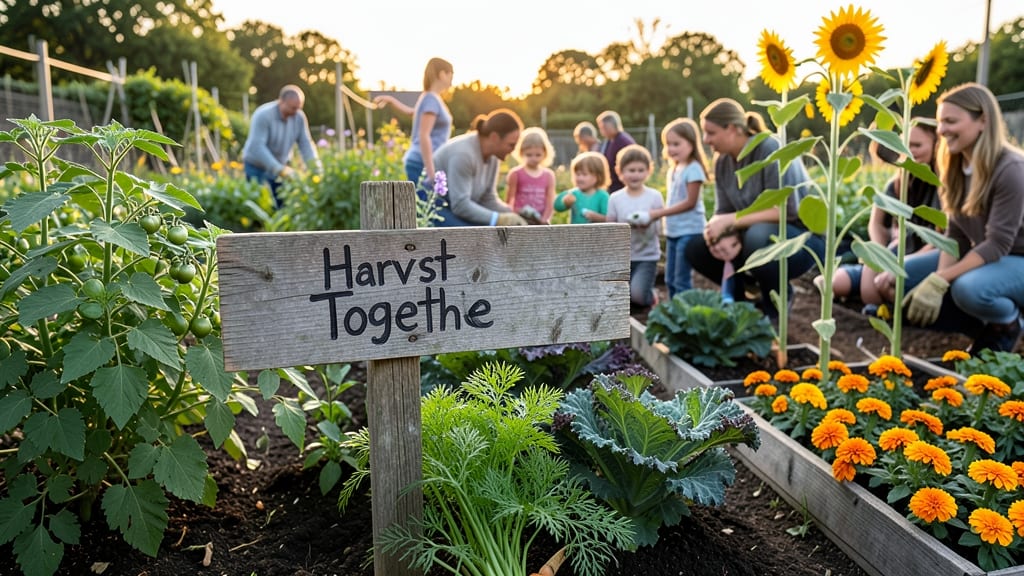
Community gardening is a collaborative effort where groups cultivate shared outdoor plots to grow fresh produce, flowers, or herbs, creating vibrant hubs for food security, social interaction, and environmental stewardship. These projects often operate on donated or public land and welcome participants of all ages and backgrounds.
This practice thrives by pooling resources—whether it's tools, seeds, or expertise—so no single person bears the full burden of maintenance. 🌱 Many gardens also serve as local food sources, reducing grocery costs while teaching sustainable growing techniques.
What sets community gardens apart is their dual focus: they grow both plants and connections, often becoming the heart of neighborhood revitalization efforts.
There are several types to consider: traditional plot-based gardens where individuals tend their own sections, container gardens for urban spaces with limited ground area, and school gardens that educate young learners about nutrition and ecology.
Each model adapts to different community needs, from urban food deserts to rural agricultural training programs.
💡 In This Article
- Core Principles and Types of Community Gardens
- How to Start a Community Garden: Step-by-Step Guide
Core principles and types of community gardens
Community gardens thrive on three core principles: shared resources, collective labor, and ecological benefits. The shared-resource model reduces individual burdens—think tools, water access, or even compost—while spreading costs across participants.
For example, a 100-square-foot plot might require $50-$100 in startup costs for soil amendments, but pooling these expenses across 20 families drops the per-person cost to just $2.50-$5. This economic accessibility is why urban gardens often see participation from diverse demographics, including low-income households and seniors.
The collective labor aspect creates a social contract where everyone contributes time, skills, or effort. Studies show gardens with active workdays (like weekly maintenance shifts) have higher success rates because participants feel invested.
For instance, the Detroit Black Community Food Security Network transformed vacant lots into gardens using a "sweat equity" model, where volunteers traded labor for produce—yielding 10,000 pounds of food annually in its first year.
This model also builds trust; neighbors who might not interact otherwise bond over shared goals like harvesting or pest control.
Ecologically, community gardens act as mini urban ecosystems. A single 1,000-square-foot garden can sequester up to 300 pounds of CO₂ yearly while providing habitat for pollinators.
Container gardens in cities, like those on rooftops or balconies, mitigate the "heat island effect" by replacing pavement with plants that lower temperatures by 5-10°F in surrounding areas.
The soil itself becomes a living system: composting on-site reduces landfill waste, and crop rotation prevents soil depletion—principles borrowed from traditional Indigenous farming.
Three primary garden types emerge from these principles, each with distinct structures. Plot-based gardens (the most common) divide land into individual sections, often managed by nonprofits like City Growers Network. Container gardens use raised beds or vertical systems, ideal for urban areas with poor soil, and can produce 20% more yield per square foot due to controlled conditions. School gardens prioritize education, teaching kids about plant biology while increasing fruit/vegetable consumption by up to 24% in participating students.
Municipal gardens, like those in Portland’s Community Garden Program, offer long-term leases at $10-$50/year, while private gardens (e.g., corporate-sponsored plots) may include perks like free produce for employees.
Legal structures vary widely: some operate under city ordinances, others as 501(c)(3) nonprofits. For example, Chicago’s Green Corps gardens require a 3-year lease agreement with clauses for shared maintenance, while rural gardens might rely on USDA grants. The choice of structure affects everything from insurance needs to funding eligibility.
A container garden in a high-rise might need liability waivers for balcony use, whereas a plot garden could qualify for Community Food Projects Competitive Grants from the USDA. Understanding these frameworks helps avoid common pitfalls like zoning conflicts or volunteer burnout.
What unites all types is their adaptability. A plot garden in Brooklyn might focus on heirloom tomatoes, while a school garden in Phoenix prioritizes drought-resistant crops like amaranth. The key is aligning the garden’s purpose—whether food security, education, or aesthetics—with the community’s needs.
For instance, gardens in food deserts often partner with local grocers to donate surplus produce, creating a closed-loop system that benefits everyone. This flexibility is why community gardening remains one of the most resilient forms of urban agriculture worldwide.