
Tools
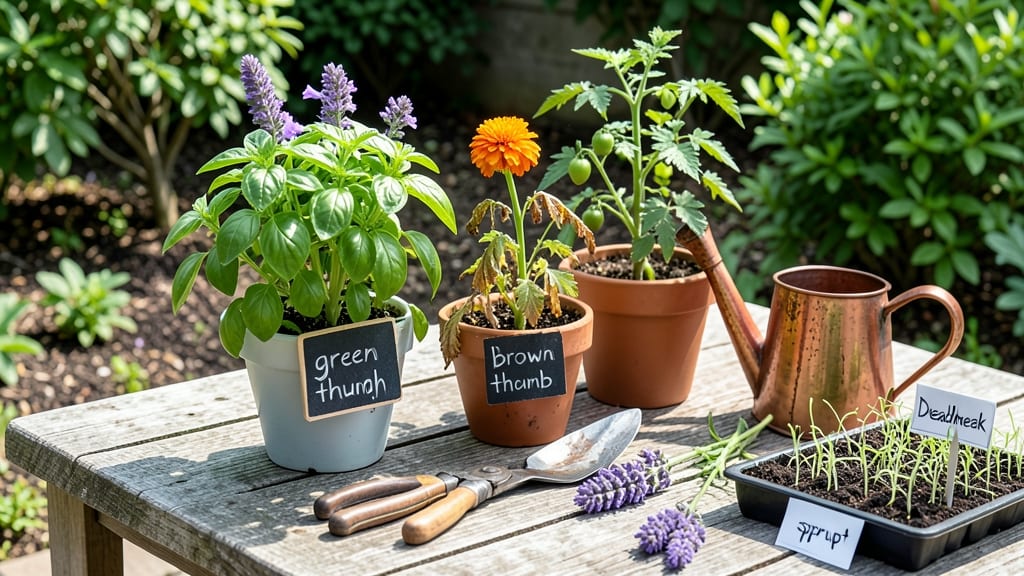
Gardening slang refers to the informal language gardeners use to describe plants, tools, and techniques—like calling mint 'catnip' or 'pinching' as trimming new growth. These terms make conversations easier and add a fun, community feel to the hobby.
Gardening slang isn't just colorful language—it's a way to bond with fellow plant lovers. 🌱 Terms like "thumper" for a gardener who struggles or "squash bugs" for cucumber beetles help newbies feel at home while making experienced gardeners smile.
Many words come from regional dialects or playful nicknames for pests, like calling aphids "plant lice." The best part? These terms create shorthand for common tasks, so you'll hear gardeners say "deadhead" instead of "remove spent flowers" without missing a beat.
For example, calling a tomato plant "a love apple" might sound odd at first, but it's a nod to the fruit's historical name. 🌿 Meanwhile, "heirloom" seeds aren't just old—they're prized for their unique flavors and stories passed down through generations.
Whether you're chatting about "foliage" or "greens," understanding these terms helps you connect with the gardening community and makes troubleshooting problems feel like less of a chore.
💡 In This Article
- Origins and Evolution of Gardening Slang Terms
- Common Gardening Slang You Should Know
Origins and evolution of gardening slang terms
Gardening slang traces its roots to a mix of historical necessity and playful creativity.
In the 17th and 18th centuries, European settlers adapted Indigenous names for plants—like "tomato" from the Nahuatl word tomatl—while adding their own twists. 🌱 The term "love apple" for tomatoes, for example, came from European gardeners who believed the fruit symbolized fertility.
These linguistic quirks weren't just whimsical; they helped gardeners quickly identify plants, pests, and techniques in crowded marketplaces or community gardens.
Regional dialects also shaped gardening slang.
In the American South, "collard greens" became simply "collards," while New Englanders might call zucchini "squash" even when it's clearly not. 🍃 The playful nicknames for pests—like "banana slugs" (because of their yellow color) or "tomato hornworms" (for their distinctive markings)—emerged as gardeners sought memorable ways to describe creatures that threatened their crops.
These terms weren't just descriptive; they became part of the cultural identity of gardening communities, passed down through generations alongside seeds and tools.
The evolution of gardening slang reflects how the practice itself has changed.
What began as practical shorthand for farmers became a way for modern gardeners to express passion and humor. 🌿 For instance, calling someone with a "brown thumb" (poor gardening skills) or a "green thumb" (natural talent) isn't just about skill—it's about camaraderie.
Even scientific terms like "heirloom" seeds, which originally referred to varieties passed down through families, now carry connotations of tradition and flavor that go beyond their botanical definition.
Technology has even influenced modern gardening slang.
Terms like "square foot gardening" (a space-efficient planting method) or "compost tea" (a liquid fertilizer) reflect how gardeners incorporate new techniques into their vocabulary. 💡 The internet has accelerated this trend, with phrases like "thumper" (a struggling gardener) or "squash bugs" (cucumber beetles) spreading rapidly through online forums.
What started as regional dialects has become a global language of shared experiences, connecting gardeners across continents through a common lexicon.
One fascinating aspect of gardening slang is how it adapts to new challenges.
When invasive species like the "kudzu bug" or "emerald ash borer" appeared, gardeners quickly coined terms to describe them—highlighting how language evolves alongside the plants themselves. 🐞 This dynamic nature makes gardening slang a living, breathing part of the hobby, constantly renewing itself as new plants, pests, and techniques emerge.
The result? A vocabulary that's as much about the earth as it is about the people who tend to it.
Understanding these origins helps explain why gardening slang feels so natural to those in the know.
It's not just about knowing what "deadheading" means—it's about recognizing the stories and traditions behind every term. 🌿 Whether you're hearing about "foliage" in a nursery or discussing "hybrid" seeds with a fellow gardener, you're participating in a conversation that's been shaping itself for centuries.
That's what makes gardening slang so much more than just words—it's a bridge between past and present, between soil and story.