
Planting
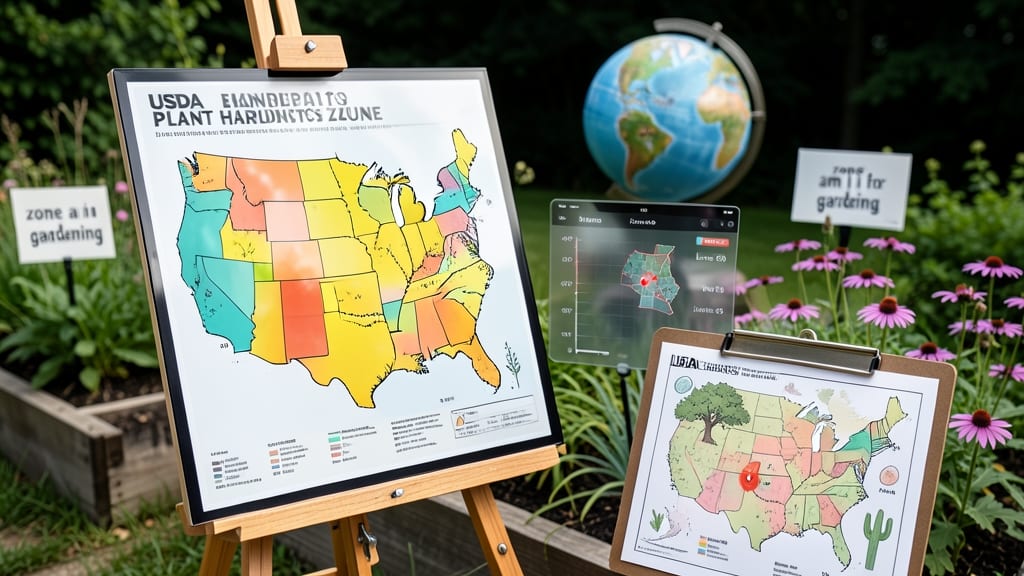
To determine your gardening zone, check the USDA Plant Hardiness Zone Map for your location—most areas fall between Zone 3 (coldest) and Zone 13 (warmest), with sub-zones (e.g., 5a, 8b) refining climate specifics for planting decisions. Enter your ZIP code or address for an instant lookup.
Your gardening zone is based on your area's average annual minimum temperatures, which the USDA divides into 13 main zones and sub-zones (like 5a or 8b). 🌱 Knowing this helps you select plants that thrive in your climate—cold-hardy options for Zone 3 versus heat-tolerant varieties for Zone 10.
For example, roses flourish in Zone 5 but may struggle in Zone 9's heat. The USDA map even accounts for microclimates, like urban areas that can be 5°F warmer than rural zones just a few miles away.
Once you've identified your zone, you'll unlock planting schedules, frost dates, and even soil prep tips tailored to your region. Many gardeners also use zone info to extend growing seasons—like using cold frames in Zone 4 or choosing drought-resistant plants in Zone 10.
The key is matching plants to your zone's temperature range, not just your general location.
💡 In This Article
- How USDA Plant Hardiness Zones Define Your Gardening Climate
- Finding Your Exact Gardening Zone: Step-by-Step Location Lookup
How USDA plant hardiness zones define your gardening climate
The USDA Plant Hardiness Zone Map divides North America into 13 main zones based on the average annual minimum temperature that occurs in a given area over a 30-year period.
Each zone represents a 10°F difference—for example, Zone 3 endures -40°F to -30°F, while Zone 10 stays above 30°F. These temperature ranges determine which plants can survive winter dormancy in your area, as most plants die when exposed to temperatures 5-10°F colder than their hardiness zone allows.
Sub-zones (like 5a or 8b) add precision by splitting each zone into 5°F increments. For instance, Zone 5a averages -20°F to -15°F, while 5b ranges from -15°F to -10°F.
This distinction matters because a plant labeled "hardy to Zone 5" might survive in 5b but fail in 5a. The map also accounts for microclimates—small areas with unique conditions, like a south-facing wall that stays 5-10°F warmer than the surrounding yard, allowing you to grow slightly tender plants.
Frost-free periods further refine planting decisions. Zones with shorter growing seasons (like Zone 4) require cold-hardy crops such as kale or potatoes, while warmer zones (Zone 9+) support year-round veggies like tomatoes or peppers.
The USDA data correlates with plant survival rates: for example, 90% of plants thrive in their designated zone, but survival drops to 50% or less if planted in a zone 3 or more degrees colder. This is why zone-matching is critical for long-term garden success.
Here’s what the science reveals: Plants enter dormancy when temperatures drop below their hardiness threshold, but the real damage occurs during prolonged exposure to extreme cold. For instance, a single night at -5°F might not harm a Zone 6 plant, but three consecutive nights below -10°F could kill it.
The USDA zones help predict these risks, ensuring you choose plants that can endure your area’s worst-case winter scenarios.
Microclimates add another layer of complexity. A backyard in Zone 6 might have a sunny, sheltered spot that behaves like Zone 7—ideal for tender perennials like lavender or rosemary. Conversely, a low-lying area could experience colder air pooling, mimicking Zone 5.
These variations explain why some gardeners in the same neighborhood achieve different results with identical plants. 🌿 Understanding these nuances lets you push boundaries without risking crop failure.
Consider this real-world example: In Zone 7b (0°F to 5°F), you’d typically grow cold-hardy varieties of hydrangeas, but a microclimate near a brick wall might support tender camellias (Zone 7a).
The difference? Just 5°F separates survival from failure. That’s why gardeners in transitional zones often test plants in containers first—easy to move if temperatures dip unexpectedly.
Finally, zones influence more than just planting. They dictate soil prep timing, pest cycles, and even watering needs. For example, Zone 10’s year-round warmth means drought-tolerant succulents thrive, while Zone 4’s short summers favor deep-rooted crops like carrots that mature quickly.
The zone system isn’t just about cold tolerance—it’s a framework for optimizing your garden’s entire ecosystem. ✨