Planting
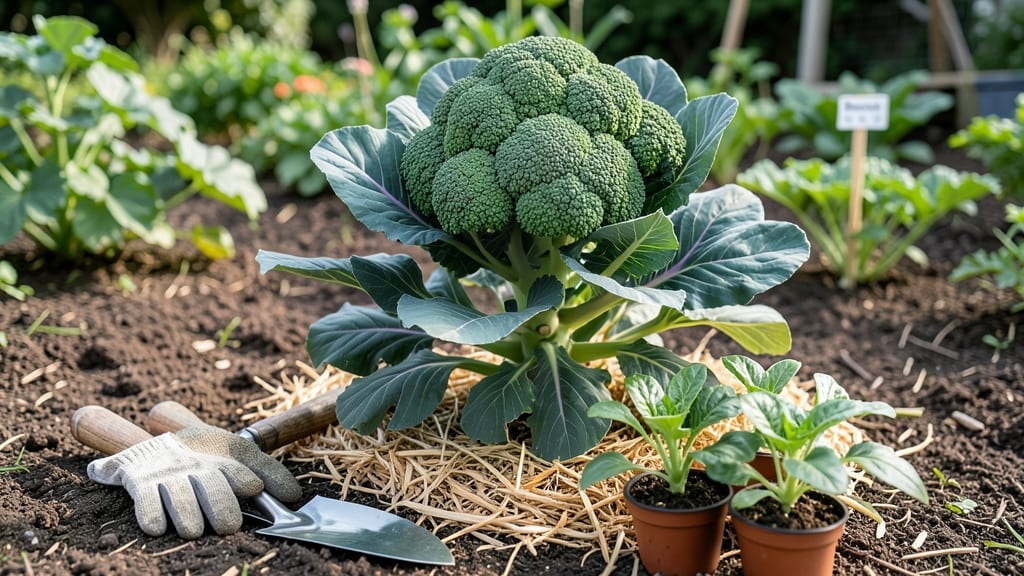
Planting a fall garden in Zone 7 between mid-August and early October is your ticket to a second harvest before winter sets in.
Missed your spring planting window? Don’t worry—Zone 7 gardeners can still grow a thriving fall harvest with the right timing. Planting too early or late risks stunted growth or frost damage, so knowing the exact dates is key to maximizing your yield.
This guide breaks down the ideal planting windows for your favorite cool-season crops, from leafy greens to root vegetables, while helping you avoid common mistakes that derail fall gardens.
You’ll learn how to calculate your last frost date, adjust for soil warmth, and even extend the season with simple tools like row covers—so you can enjoy fresh harvests well into November.
Zone 7 fall planting calendar: exact dates by vegetable type
Fall gardening in Zone 7 is all about timing—plant too early, and your crops may bolt or rot; too late, and frost will ruin your harvest.
The key is aligning your planting dates with your first frost date (typically around November 15) while giving each crop enough time to mature.
Most cool-season vegetables thrive when planted 4-6 weeks before frost, while warm-season crops need a head start in summer to produce before winter sets in.
For Zone 7 gardeners, August through early October is your prime window for fall planting. Start with fast-maturing varieties like radishes and bush beans, then move to slower growers like broccoli and carrots.
Below is your exact planting schedule, broken down by crop type, to ensure a bountiful harvest before the first frost.
For cool-season crops, focus on August and early September plantings. These hardy vegetables like kale and spinach actually sweeten in cold weather, making them perfect for fall.
If you’re growing broccoli or cabbage, aim for mid-August to give them enough time to reach maturity before frost. Root vegetables like carrots and beets can handle cooler soil, so you can plant them as late as mid-September in Zone 7.
If you love tomatoes and peppers, don’t wait until fall to plant them—these warm-season crops need a long, hot growing season. Start your tomato seedlings in early July to ensure they produce fruit before the first frost.
For peppers, which are even more sensitive to cold, begin planting in early July and choose fast-maturing varieties like 'Early Jalapeno' or 'Lunchbox' tomatoes. Green beans are a great <
How to calculate your last frost date and adjust planting times
Zone 7’s fall frost dates can shift yearly, but knowing your average last frost helps you time plantings perfectly. For most of Zone 7, the first frost typically arrives between November 15-30, but microclimates (like valleys or urban areas) may vary by 1-2 weeks.
Start by checking your local USDA frost maps or historical data from your cooperative extension service.
Once you’ve pinpointed your average first frost date, work backward using the plant maturity chart for each crop. For example, if your frost date is November 20 and you’re growing bush beans (which mature in 50 days), plant them by September 20 to ensure a harvest before frost.
This method works for all cool-season crops like kale, carrots, and spinach.
5 Key Steps to Calculate Your Planting Window
- 📅 Step 1: Find your historical frost dates (local extension office or online tools like Almanac’s Frost Calculator).
- 🌱 Step 2: Select cool-season crops (e.g., lettuce, broccoli) with 30-80 day maturity for fall.
- ⏳ Step 3: Subtract plant days to maturity from your first frost date to get your last planting date.
- 🌡️ Step 4: Verify soil temperature (use a soil thermometer—50°F+ for most fall crops).
- 🛡️ Step 5: Extend the season with row covers or cold frames to add 2-4 weeks of frost protection.
Adjust your planting schedule based on heat units (also called growing degree days). Most fall crops thrive when soil temps stay between 50°F and 75°F. Use a soil thermometer to monitor conditions—if temps drop below 45°F, young seedlings may struggle.
For sensitive crops like basil or cucumbers, wait until late August to avoid heat stress.
To extend your fall garden, use row covers or low tunnels to protect plants from light frosts (28°F-32°F). These can add 2-4 weeks to your growing season, allowing you to harvest spinach or radishes well into December.
For hardier crops like kale or carrots, even a light frost (28°F) can sweeten flavors—just cover them with frost cloth if temps drop below 25°F.
Pro tip: Keep a gardening journal to track your actual frost dates and adjust future plantings. Over time, you’ll refine your Zone 7 fall schedule to match your microclimate.
Start with fast-maturing crops like bush beans or radishes in early August, then add longer-season varieties like broccoli or cauliflower in late August.
Remember, fall planting in Zone 7 rewards patience—your harvests will taste sweeter and your yield will be bountiful if you time it right. Happy planting! 🌿