Planting
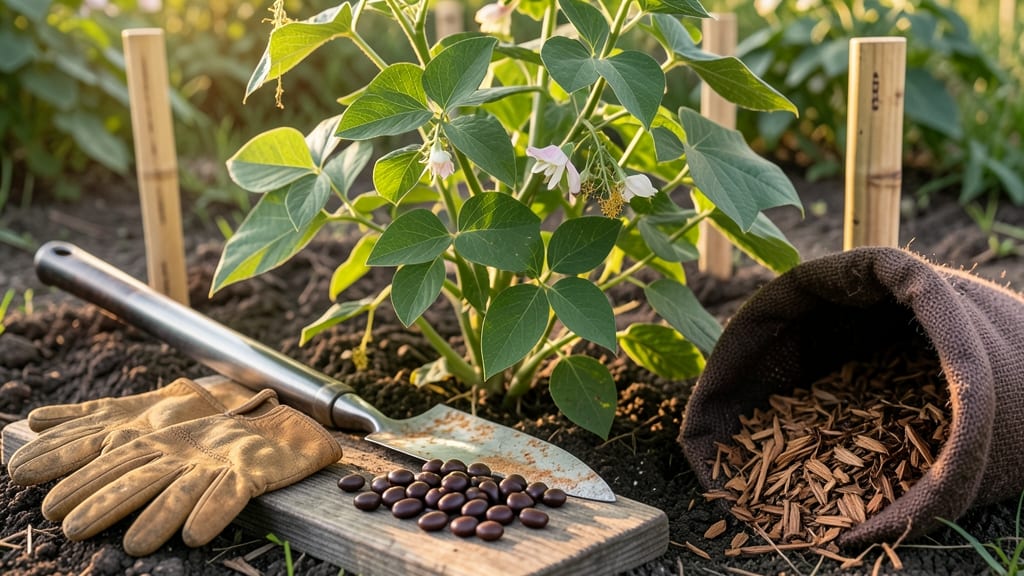
To plant green beans in your garden successfully, start by choosing the right variety and timing—like April to May in USDA Zone 6a—to ensure a thriving harvest.
Picture this: you’re staring at a patch of soil, seeds in hand, wondering why last year’s green bean plants 🌱 produced only a handful of beans instead of a bushel.
The secret lies in spacing, soil prep, and whether you’re growing bush or pole varieties. With the right approach, you’ll transform that patch into a productive garden corner.
Green beans are low-maintenance but demand a few key conditions: loose, well-drained soil with a pH of 6.0 to 7.0, plenty of sunlight, and the right spacing to prevent disease. Whether you’re trellising pole beans or letting bush varieties sprawl, these basics are non-negotiable for a bountiful harvest.
In this guide, I’ll walk you through soil prep, planting depth, spacing tricks, and trellis setups—plus how to avoid common mistakes like overcrowding or shallow planting. By the end, you’ll know exactly how to plant green beans for a garden full of crisp, flavorful pods.


Green bean planting guide: soil, depth, and spacing secrets for maximum yield
Green beans thrive when planted in the right conditions, but getting the soil, depth, and spacing wrong can mean the difference between a handful of beans and a garden overflowing with them.
The secret lies in mimicking their natural habitat—warm, fertile soil with room to stretch or bush out. Let’s break down the essentials to set your green beans up for success from day one.
First, focus on soil quality—green beans prefer a loose, well-draining mix rich in organic matter. A pH between 6.0 and 7.0 is ideal, as this range ensures they can absorb essential nutrients like nitrogen and phosphorus.
If your soil is heavy or clay-like, amend it with compost or aged manure to improve aeration and drainage. Poor soil prep often leads to stunted growth or disease, so don’t skip this step!
Now, let’s talk planting depth. Seeds should go 1 inch deep in the soil, whether you’re sowing bush or pole varieties. Planting too shallow can expose seeds to drying out, while burying them too deep may delay germination.
Use your finger to make small holes, place 2-3 seeds per hole (you’ll thin later), and cover gently with soil. A light watering afterward helps settle the seeds in place.
Spacing is where many gardeners go wrong. Bush beans need about 4–6 inches between plants and 18–24 inches between rows, while pole beans require more room—6–8 inches apart in rows spaced 36–48 inches apart (or along a trellis).
Overcrowding leads to poor air circulation, inviting fungal diseases like rust or powdery mildew. If you’re short on space, consider growing pole beans vertically—they’ll save you square footage and produce more per plant!
One of the biggest mistakes I see is shallow planting. Seeds need consistent moisture to germinate, and planting too shallow can cause them to dry out before sprouting. Use a ruler or your knuckle as a guide—1 inch deep is perfect.
If you’re planting in containers, ensure the pot is at least 12 inches deep to accommodate roots. Poor drainage is another culprit; if water pools around your plants, amend the soil with perlite or sand to improve airflow.
For nutrient-rich soil, mix in a balanced fertilizer (10-10-10) at planting time, then side-dress with compost or a low-nitrogen fertilizer every 4–6 weeks. Avoid over-fertilizing, as too much nitrogen can lead to lush foliage but fewer beans.
Instead, focus on phosphorus and potassium to encourage flowering and fruiting. A simple soil test can reveal deficiencies before they become problems.
Finally, don’t forget to mulch around your plants after they’ve sprouted. Mulch retains moisture, suppresses weeds, and keeps soil temperatures stable—critical for green beans, which prefer warm soil (60–85°F). Use straw or shredded leaves, keeping the mulch 2–3 inches away from stems to prevent rot.
With these soil, depth, and spacing secrets, you’re well on your way to a bountiful green bean harvest!
Pro tip: If your soil feels compacted, loosen it with a garden fork before planting. Green beans have shallow roots and need easy access to nutrients. And if you’re in a cooler climate, consider using black plastic mulch to warm the soil faster in spring.
Every little detail adds up to a better yield!
Ready to plant? Grab your seeds, mark your rows, and get ready for a garden full of crisp, flavorful green beans this season. Happy growing!
Trellis vs. no trellis: which green bean growing method saves space and boosts production?
Choosing between bush beans and pole beans can make or break your harvest. Bush beans sprawl, while pole beans climb—each offering unique advantages. For small gardens, trellising pole beans saves space and increases yield by 30-50%.
Meanwhile, bush beans require more ground area but demand less maintenance. Let’s break down the pros, cons, and setup tips for both methods.
Pole beans need vertical support to thrive, transforming them into space-saving powerhouses. A simple bamboo trellis or wire A-frame can turn a 4-foot square into a 6-foot-tall growing tower.
This vertical growth also improves air circulation, reducing fungal diseases like rust. For large gardens, trellising can cut planting rows by half while doubling production per square foot.
Setting up a trellis is simpler than you think. Start with 4-foot-tall bamboo stakes or a wire mesh A-frame (available at garden centers). For a DIY trellis, twist three 6-foot bamboo poles into a tripod and weave string between them.
Plant seeds 1 inch deep, 4-6 inches apart, and guide vines with soft twine as they grow. Avoid metal trellises in hot climates—they can burn vines.
Pole beans like Kentucky Wonder or Blue Lake thrive with trellises, producing longer harvest windows and straighter pods. Bush beans, such as Blue Lake Bush, are ideal for container gardens or areas where vertical space is limited.
If you’re short on time, bush beans win for ease, but pole beans deliver higher yields with minimal ground space.
For small gardens, trellising pole beans is a game-changer—imagine harvesting 50% more beans in half the space! If you’re new to gardening, start with bush beans to build confidence, then experiment with trellises next season. Either way, your green bean harvest will thank you.