
Planting
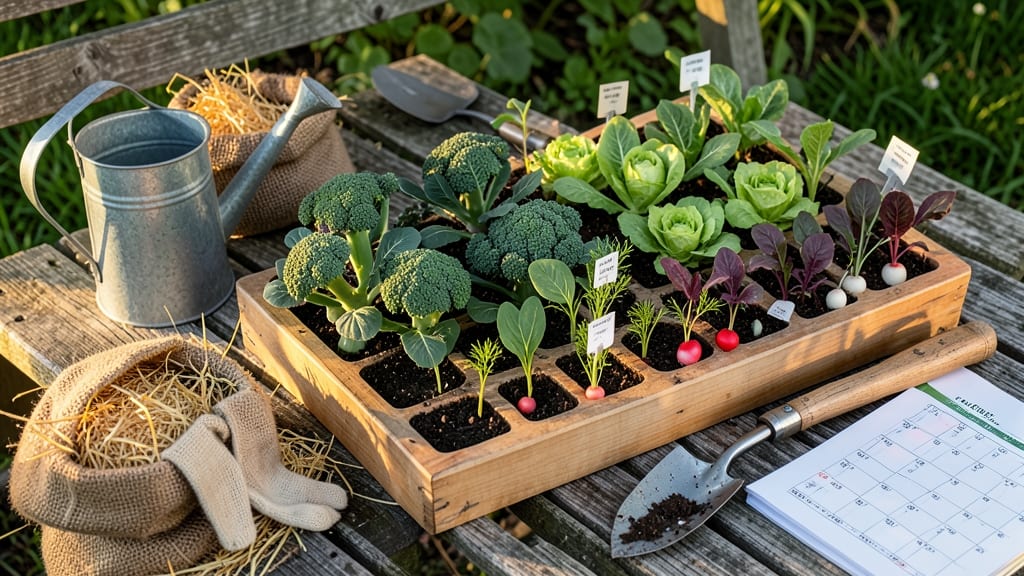
Planting a fall garden in Texas means beating the heat while racing against frost — the ideal window depends on your zone, but most gardeners should start by mid-August in North Texas and as early as August in South Texas.
Texas gardeners know the summer heat can be brutal—but with the right timing, you can beat the heat and grow a thriving fall garden. Planting too early or too late can mean wasted effort, so knowing the exact deadlines by Texas growing zone is critical for success.
Cool-season 🥬 vegetables like kale and carrots need 6-8 weeks to mature before frost, while heat-lovers like okra and sweet potatoes thrive in the late summer soil. South Texas has a longer window, but North Texas gardeners must act fast to avoid early freezes.
Below, I break down the perfect planting dates by zone, the best crops for your area, and how to prep soil for maximum growth—so you can enjoy fresh harvests from October through December.
Texas fall planting deadlines by growing Zone: exact dates for heat-tolerant crops
Texas's diverse climate means your fall planting deadlines vary wildly from the Panhandle (Zone 7) to South Texas (Zone 10). In Zone 7, you have until mid-October for cool-season crops, while Zone 10 gardeners can plant year-round with the right heat-tolerant varieties.
Missing these windows means stunted growth or frost damage—so let’s break down the exact dates by zone for your tomatoes, greens, and more.
First, know your first frost dates: North Texas (Zone 7-8) averages November 15, while South Texas (Zone 9-10) rarely sees frost until December 31—or not at all.
Plant 6-8 weeks before frost for most cool-season crops, but heat-loving plants like okra and sweet potatoes need soil temps above 70°F to thrive. Use these deadlines as your planting guardrails.
For Zone 7 gardeners, focus on heat-tolerant tomatoes like 'Celebrity' or 'Heatmaster'—they handle 90°F+ soil better than standard varieties. Start seeds indoors by late July and transplant after August 15 to avoid bolting.
In Zone 10, you can plant successive crops every 2-3 weeks thanks to mild winters, but prioritize shade cloth for greens like lettuce to prevent bolting.
Your soil temperature is the real deadline-maker. Use a soil thermometer to confirm 60°F+ for cool-season crops or 70°F+ for heat lovers. In Central Texas (Zone 8-9), aim to plant peppers and eggplants by September 1**—any later, and they’ll struggle with shortening daylight.
Pro tip: Mulch with straw to keep roots cool and retain moisture during Texas’s fall drying spells.
Don’t overlook container gardening for small spaces or urban lots. Pots warm up faster than in-ground beds, so adjust your
Best heat-tolerant fall vegetables for Texas gardens: what to Plant and when
Texas's long, hot summers make fall gardening a smart choice—but not all vegetables thrive in the transition from summer heat to cooler temps. The key is choosing heat-tolerant varieties that can handle lingering summer temperatures while still maturing before the first frost.
I’ve tested these top performers in my North Texas Zone 8b garden, and they consistently deliver even when temperatures hover in the 80s°F.
For South Texas gardeners (Zones 9-10), the window narrows further—you’ll need fast-growing varieties that mature in 60 days or less to avoid early frosts. Meanwhile, Central Texas (Zone 8) gardeners have a bit more flexibility, with a longer fall growing season.
Below, I’ve ranked my top 10 heat-tolerant fall vegetables, grouped by their ideal planting window and heat resilience.
🌱 Top Heat-Tolerant Fall Vegetables for Texas
-
1. Okra – Plant: August–September
Thrives in 90°F+ heat; harvest pods when 3–4 inches long. Varieties like 'Clemson Spineless' mature in 50–60 days.
-
2. Sweet Potatoes – Plant: June–July (slips)
Heat-loving roots need 100+ frost-free days. 'Beauregard' is a top pick for Texas heat, ready in 90–100 days.
-
3. Black-Eyed Peas (Cowpeas) – Plant: August–September
Drought-tolerant and heat-resistant; harvest pods when dry and papery. 'Purple Hull' matures in 60–70 days.
-
4. Kale (Heat-Tolerant Varieties) – Plant: Late August–September
Choose 'Lacinato' or 'Red Russian' for heat tolerance. Avoid bolting by planting 6–8 weeks before frost.
-
5. Carrots ('Danvers' or 'Nantes') – Plant: September–October
Cool-season root veggies need soil temps below 80°F. Loosen soil to prevent forking; harvest before hard frosts.
-
6. Swiss Chard ('Bright Lights') – Plant: August–September
Heat-tolerant leaves; harvest outer leaves first to prolong harvest. Thrives in 70–85°F temps.
-
7. Turnips ('Purple Top White Globe') – Plant: September–October
Fast-growing (30–40 days) and cold-hardy. Sow seeds 1/2 inch deep in loose soil.
-
8. Collard Greens – Plant: August–September
Heat-tolerant until 85°F; harvest young leaves for tenderness. 'Vates' is a top variety.
-
9. Green Beans ('Blue Lake') – Plant: September–October
Bush beans tolerate 80°F heat better than pole beans. Harvest every 2–3 days to encourage production.
-
10. Radishes ('Cherry Belle') – Plant: September–October
Fastest harvest (25–30 days) and cool-season tolerant. Thin seedlings to 2 inches apart.
⚠️ Pro Tip: For South Texas (Zones 9–10), prioritize okra, sweet potatoes, and black-eyed peas—they handle the heat best. In North Texas (Zone 8), add kale and carrots for a longer harvest window.
Timing is everything in Texas fall gardens. For North Texas (Zone 8), start planting