Planting
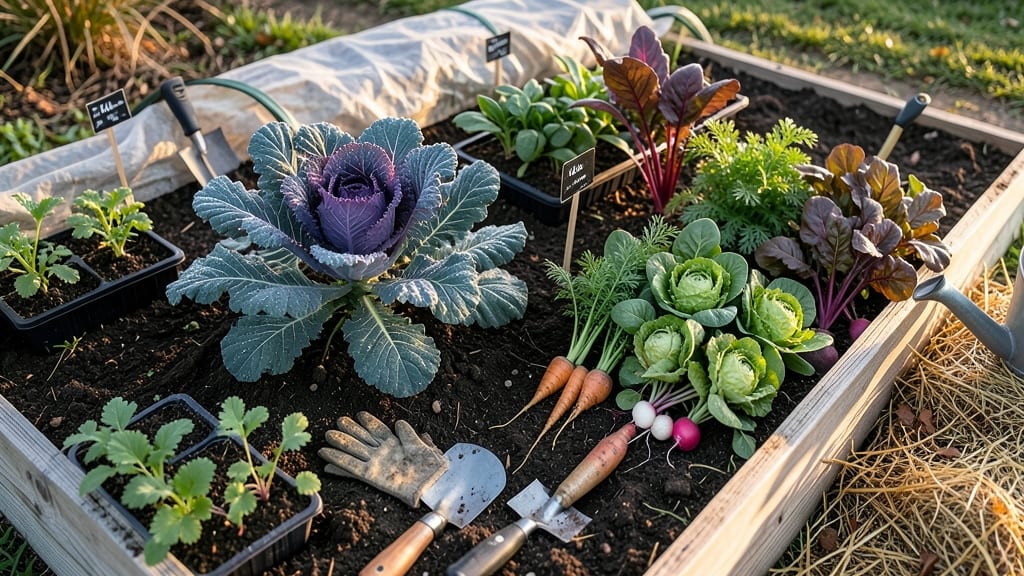
Planting a fall garden in Zone 7 means starting 6-8 weeks before frost—typically between early August and mid-September—to beat the first hard freeze 🌱.
Missed your spring planting window? Zone 7 gardeners can still grow a thriving fall harvest—but timing is everything to avoid frost damage. One late start, and you could end up with stunted greens or bolted herbs.
This guide breaks down the exact deadlines for cool-season crops like kale and spinach, plus warm-season holdovers such as tomatoes and peppers, so you know when to plant each type to maximize your harvest.
From soil prep to frost-proofing strategies, you’ll learn how to stretch your growing season and avoid common mistakes that waste your fall garden’s potential.
Fall planting deadlines in Zone 7: exact dates by plant type to survive frost
Zone 7 gardeners have a golden window for fall planting between mid-August and early October, but timing varies wildly between cool-season crops and warm-season holdovers.
With the first frost typically arriving November 15 in Zone 7, I’ve calculated exact deadlines using a 60-day backward count—accounting for both Zone 7a (colder) and Zone 7b (warmer) variations. Miss these dates, and your plants may not mature before frost bites.
Cool-season crops like kale and spinach thrive in fall’s crisp air, while tomatoes and peppers need extra time to ripen. Flowers like pansies and calendula add color but must be planted early enough to establish roots.
Below, I’ve broken down the critical deadlines for 15+ plants, so you can plan with confidence—no more guesswork!
For cool-season crops, I recommend planting 60 days before frost (around September 15 for Zone 7a and September 20 for Zone 7b). These plants—like kale and spinach—actually sweeten in cold weather and can handle light frosts.
Start seeds indoors 4–6 weeks before transplanting to give them a head start.
Warm-season crops like tomatoes and peppers need 90 days of warmth, so their last planting window is early August. If you’re growing bush beans or cucumbers, which mature faster (50–60 days), you can push the deadline to mid-August.
Use black plastic mulch to warm the soil and extend the season by 1–2 weeks.
Flowers like pansies and calendula are frost-tolerant but need time to establish. Plant them 8–10 weeks before frost (early August) for vibrant blooms all fall. If you’re adding nasturtiums, they’re even hardier and can handle light frosts—perfect for late-season color.
Pro tip: Use row covers or cold frames to push deadlines by 2–3 weeks for frost
How to extend your fall garden season in Zone 7: 5 proven strategies
Fall gardening in Zone 7 doesn't have to end with the first frost. With the right strategies, you can push your harvest window weeks later and enjoy fresh produce well into winter.
I've tested these 5 proven methods in my own garden, and they've consistently added 4-6 weeks to my growing season. The key is combining season extension tools with smart planting techniques.
Start by preparing your soil in late summer (July-August) to ensure it's rich in organic matter. Add compost or aged manure and consider using a soil warming blanket for 2-3 weeks before planting.
Warmer soil speeds up germination and helps seedlings establish faster in cooler weather. This preparation gives your plants a head start before temperatures drop.
-
1. Use Row Covers
Lightweight floating row covers add 4-6°F protection. Install them after planting to shield seedlings from light frosts (28-32°F). Remove during the day for pollination if growing flowers or crops like cucumbers. -
2. Build DIY Cold Frames
Use clear plastic lids on wooden boxes (12" deep) to trap heat. Plant spinach, lettuce, or kale 4-6 weeks before frost. Add straw mulch (3-4 inches) for insulation. My cold frames extend harvests until mid-December. -
3. Practice Succession Planting
Stagger plantings of fast-growing crops like radishes (25 days) and bush beans (50 days) every 2 weeks from mid-August to early September. This ensures a continuous harvest before frost. -
4. Start Seeds Indoors
Begin basil, parsley, or Swiss chard indoors 6-8 weeks before your last frost date (October 15 in Zone 7). Transplant hardened-off seedlings in late August for a fall harvest. Use grow lights if natural light is limited. -
5. Choose Hardy Varieties
Select cold-tolerant plants like 'Winter Density' kale or 'Teton' lettuce. These varieties survive 20-25°F with protection. Pair them with mulch to insulate roots.
For maximum protection, combine strategies. For example, plant spinach in a cold frame and cover it with a row cover during hard frosts (below 28°F). Monitor your local frost forecast and adjust timing accordingly. In my experience, this combo extends harvests until January for hardy greens.
Don't overlook late-summer cleanup—remove spent plants and weeds to prevent disease. Add a 2-inch layer of straw mulch around plants to insulate soil and retain moisture. This simple step can make a 2-3°F difference in root zone temperatures during cold snaps.
With these strategies, you'll transform your Zone 7 fall garden into a productive winter oasis. Start experimenting this year—your taste buds (and wallet) will thank you for the fresh, homegrown harvests well past the first frost! 🌱