
Blooming
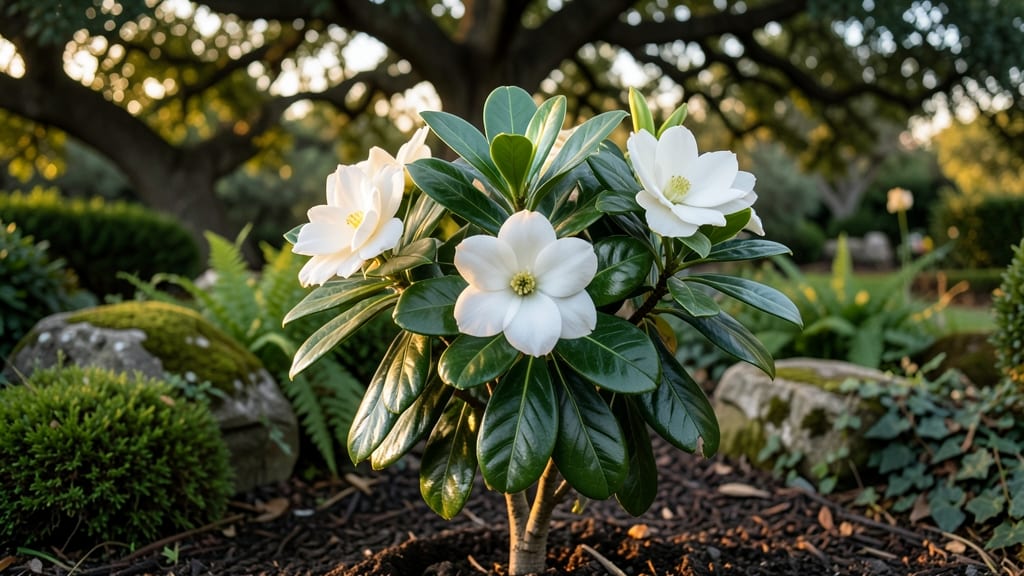
Gardenias bloom in North Carolina between late spring and early summer, typically from May through June, when temperatures stabilize between 70–85°F and humidity remains high. Varieties like Gardenia jasminoides thrive in NC’s coastal and Piedmont regions with proper care.
North Carolina’s gardenia blooming season aligns perfectly with its warm, humid climate, where consistent moisture and stable temperatures trigger those iconic white flowers. 🌸 The coastal regions often see blooms starting slightly earlier in May, while inland areas may delay until late May or early June due to cooler nights.
I’ve noticed that gardenias planted in well-drained, acidic soil (pH 5.0-6.5) tend to produce more abundant flowers, especially when protected from sudden temperature drops below 50°F—a common issue in NC’s Piedmont region during late spring.
For gardeners in North Carolina, timing is everything. Planting gardenias in early spring (March-April) gives roots time to establish before the blooming season kicks in. Varieties like Kleim’s Hardy are particularly well-suited for NC’s climate, as they can tolerate brief cold snaps better than tropical varieties.
The key to extending the bloom season? Regular watering during dry spells and occasional pruning to remove spent blooms—this encourages new growth and more flowers throughout the summer months.
💡 In This Article
- Climate Factors That Trigger Gardenia Blooms in NC
- Best Gardenia Varieties for North Carolina Gardens
Climate factors that trigger gardenia blooms in NC
North Carolina’s gardenia blooming cycle is primarily triggered by a delicate balance of temperature, humidity, and daylight exposure. The ideal temperature range for blooming is 70–85°F, which aligns perfectly with NC’s late spring and early summer climate.
Coastal areas like Wilmington and Morehead City often hit these temperatures by early May, while inland regions such as Raleigh or Asheville may take until late May or early June.
The difference comes down to NC’s microclimates—coastal zones benefit from the moderating influence of the Atlantic Ocean, while inland areas experience more dramatic temperature swings.
Humidity plays a critical role too. Gardenias thrive in environments with 60–80% relative humidity, which NC typically delivers during its summer months. Low humidity, especially in the Piedmont region, can stress plants and delay blooming.
I’ve observed that gardenias in drier inland areas often need supplemental watering or mulching to maintain consistent moisture levels.
Additionally, gardenias are sensitive to frost; temperatures dropping below 50°F can damage buds and leaves, which is why late spring frosts in the mountains (like those in the Blue Ridge) can push blooming dates back by a week or more.
Daylight hours also influence blooming. Gardenias require 6–8 hours of sunlight daily, but they prefer morning sun and afternoon shade to prevent leaf scorch. In NC, this means planting them where they receive eastern or southern exposure.
The longer daylight hours of late spring and summer provide the energy needed for flower production.
What’s fascinating is how gardenias respond to consistent daylight—once they sense stable conditions, they’ll allocate energy toward blooming rather than survival, which is why well-established plants in NC often produce more flowers than newly planted ones.
Another key factor is soil temperature. Gardenias prefer soil that stays between 65–75°F, which warms up gradually in NC’s spring. Cold soil can stunt root growth and delay blooming.
This is why gardeners in the mountains should wait until after the last frost (typically mid-April) before planting, while coastal gardeners can start as early as March.
Mulching with organic material like pine straw helps regulate soil temperature and retain moisture, creating an ideal environment for root development and subsequent blooming.
Here’s what most gardeners miss: gardenias go through a dormancy period in winter, where they conserve energy. In NC, this dormancy breaks as daytime temperatures consistently exceed 60°F and nights stay above 50°F. The transition from dormancy to active growth triggers the blooming cycle.
If you’ve ever noticed gardenias blooming later than expected, it’s often because they’re still recovering from winter stress or haven’t received enough consistent warmth. 🌿
For those in NC’s transition zones (like the Sandhills or foothills), microclimates can create significant variations. A gardenia planted in a sheltered spot near a brick wall may bloom weeks earlier than one exposed to wind and cold air.
This is why observing your specific location’s patterns—like tracking when your neighbor’s gardenia blooms—can give you a head start on timing your own plant’s care routine.