
How To
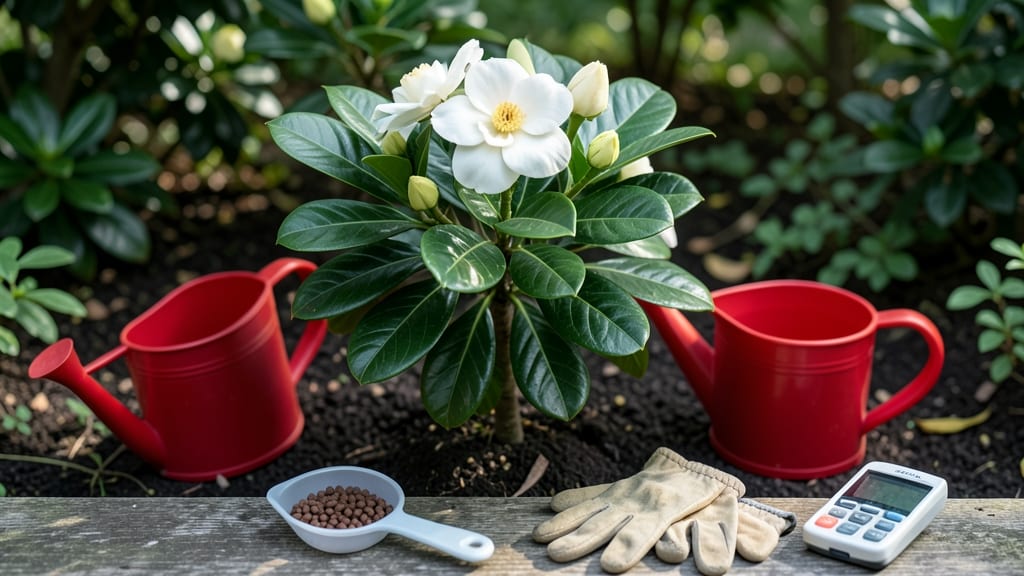
To fertilize gardenia 🌸 at the right time means feeding it when it’s ready to bloom, not just when you remember.
Struggling to get your gardenia to bloom? The secret isn’t just water or sunlight—it’s timing your fertilizer perfectly to trigger those intoxicating white flowers year after year.
Most gardeners overlook the fact that feeding too early or too late can actually stop blooms in their tracks. In fact, a light spring feed and a heavy summer boost are the game-changer for lush fragrance.
Here, I’ll break down the exact months to fertilize, the best types of fertilizer for acid-loving gardenias, and how to spot when you’re doing it wrong—because even the best intentions can backfire.

Optimal gardenia fertilization schedule by season for maximum blooms
If you’ve ever stared at your gardenia with no blooms and wondered, "Why isn’t this working?"—the answer likely lies in your fertilization timing. Gardenias thrive when fed at the right moments, not just randomly throughout the year.
Unlike other plants, they need a seasonal approach to produce those fragrant white flowers you love. The key? Aligning fertilizer with their natural growth cycles, which shift dramatically from spring to winter.
I’ve learned the hard way that over-fertilizing in fall or skipping spring can leave your gardenia struggling. The solution? A structured schedule that matches their needs—light feeds in early spring, heavy feeding mid-summer, and zero fertilizer in winter.
Let’s break it down by month so you never miss a beat.
🌸 Pro Tip: Always use an acid-loving plant fertilizer (pH 5.0–6.5) with a balanced NPK ratio like 6-10-10 or 8-3-9. Gardenias hate alkaline soil, so test your soil before fertilizing—this is non-negotiable for blooms!
Let’s start with spring, the most critical time to set your gardenia up for success. In March, as new growth emerges, apply a light dose of slow-release acid fertilizer.
This jumpstarts root development, which is essential for supporting future blooms. Think of it like giving your plant a vitamin shot before the growing season kicks into high gear.
By April and May, your gardenia will be actively growing, so increase the frequency to every 6–8 weeks. Use a balanced fertilizer with higher phosphorus (the middle number in NPK) to promote flowering.
For example, a 6-10-10 fertilizer will give your plant the phosphorus boost it needs without overwhelming it with nitrogen, which can lead to leafy growth at the expense of blooms.
When summer arrives, your gardenia’s flowering phase begins, and this is when you should feed more aggressively. From June through August, switch to a high-phosphorus bloom booster like a tomato or citrus fertilizer.
Apply every 4–6 weeks and increase the amount to 2 tablespoons per plant. This phosphorus push is what triggers those iconic white blooms—just don’t skip it!
Here’s a common mistake I see: gardeners fertilizing too late in summer, which can delay dormancy and leave plants vulnerable to fall frosts. Stop fertilizing by early September to let your gardenia prepare for winter.
During fall and winter, your plant is dormant, and feeding it can burn roots
Signs your gardenia needs fertilizer (and when to stop)
Your gardenia might be silently begging for nutrients if you notice yellowing leaves or fewer blooms than usual. These aren't just random signs—they're clear signals your plant is nutrient-deficient or struggling to absorb what you're giving it.
The key is recognizing the difference between under-fertilizing and over-fertilizing, since both can kill your gardenia's fragrance and beauty.
Start by checking the leaf color and growth rate. Healthy gardenia leaves should be deep green and glossy, while slow growth or sparse foliage often means your plant isn't getting enough phosphorus or nitrogen.
But here's the catch: too much fertilizer can cause leaf burn or root damage, so timing matters just as much as the type of fertilizer you use.
⚠️ Warning: Over-Fertilizing Danger Zones
Your gardenia cannot handle excess fertilizer, especially in winter months or when new growth slows. Look for these red flags:
- Brown leaf tips or crispy edges
- White crust on soil surface (salt buildup)
- Stunted growth despite regular watering
- Fewer blooms or buds dropping off
🌱 Action: Flush soil with water 3x soil depth and pause fertilizing for 2 months.
If your gardenia shows pale green leaves or leaf drop, it's likely suffering from nitrogen deficiency. This is common in poor soil or when plants are overwatered, which washes away nutrients.
The fix? Use a balanced fertilizer (like 6-10-10) in early spring when new growth begins. Organic options like fish emulsion or compost tea work well too—they release nutrients slowly without burning roots.
For phosphorus deficiency, watch for purple stems or small, weak buds. Gardenias need phosphorus to bloom properly, so if you see these signs, switch to a high-phosphorus fertilizer (like 10-20-10) and apply it after blooming season in late summer.
This gives your plant the nutrients it needs to set next year's buds.
Don't forget to check the soil pH—gardenias thrive in acidic soil (5.0-6.5). If your soil is too alkaline, nutrients become locked away, even if you're fertilizing regularly.
Test your soil with a pH meter or home test kit, and amend with sulfur or pine bark fines if needed. The right pH makes all the difference in how well your gardenia absorbs fertilizer.
Remember: Less is more with gardenias. If you're unsure, under-fertilize rather than overdo it. A monthly light feeding during spring and summer is better than heavy doses that can harm your plant. And always water thoroughly after fertilizing to help nutrients reach the roots.