Picking
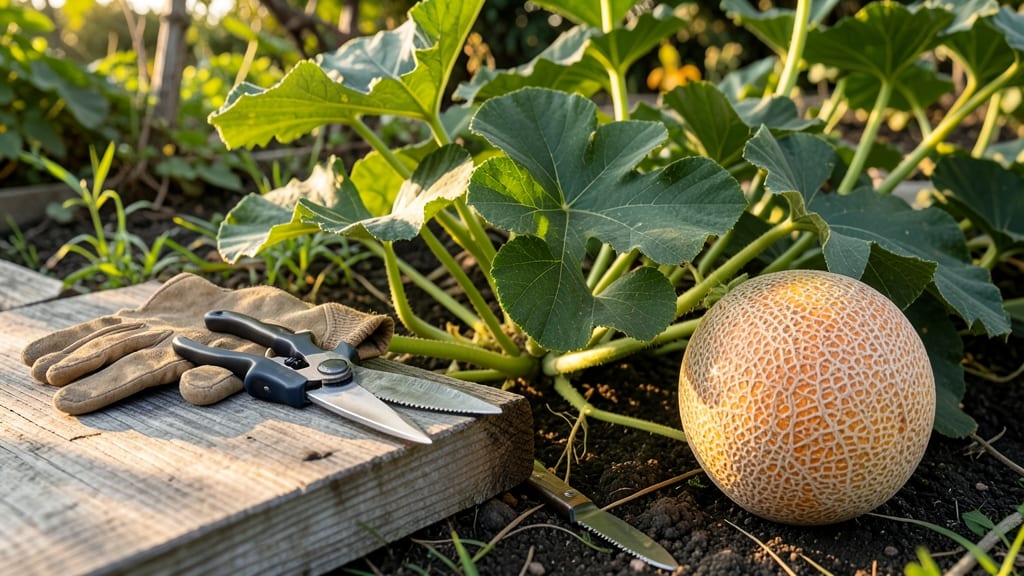
To pick cantaloupe from your garden at the perfect moment, watch for creamy rinds, a sweet scent, and a stem that slips free—all signs your 🍈 is ready to harvest.
Harvesting cantaloupe at the wrong time means the difference between a sweet, juicy reward and a bland, underripe disappointment—here’s how to tell when your homegrown melons are ready to pick.
Most gardeners miss the window because they rely on size alone, but color, texture, and aroma are the real clues. In warm climates like USDA Zone 6a, cantaloupes typically ripen between July and August, but heatwaves or cool snaps can shift that timeline.
Below, I’ll walk you through the five foolproof ripeness tests, the best time of day to harvest for peak flavor, and what to do if your melons ripen too early or too late.


How to identify cantaloupe ripeness using 5 proven signs
Nothing beats the taste of a cantaloupe picked at peak ripeness straight from your garden. But knowing exactly when to pick cantaloupe can be tricky—especially if you've ever ended up with a melon that's either too hard or overly mushy.
The good news? There are five foolproof signs to watch for, combining visual cues, tactile tests, and even scent. Let me walk you through each one so you never miss the perfect moment again.
First, let's talk about the color change near the stem. When cantaloupes are ready to harvest, the rind near the stem (called the "blush") transitions from white or pale green to a creamy tan or yellowish hue.
This is your first visual clue that the sugar content is peaking. I always check this first thing in the morning when the light is brightest—it makes the color change much easier to spot.
Here’s where it gets interesting: the stem separation test. When your cantaloupe is ripe, the stem should slip away from the vine with just a gentle twist. If it resists or snaps off cleanly, it’s not ready yet.
I’ve learned this the hard way—over the years, I’ve had melons fall off the vine too early because I didn’t check this sign carefully enough. Always give it a little wiggle before deciding to harvest.
- 1. Creamy Blush: Check the stem end for a tan or cream color (not white or green).
- 2. Stem Slip: The stem should twist off easily—no resistance means it’s not ready.
- 3. Sweet Aroma: Cut the stem end—if it smells powerfully sweet, it’s ripe.
- 4. Slight Give: Press gently—ripe cantaloupes yield slightly to thumb pressure but aren’t mushy.
- 5. Netting Pattern: The net-like texture should be fully developed and dry to the touch.
The scent test is one of my favorites because it’s so reliable. Simply cut the stem end of the cantaloupe and take a deep sniff. A ripe cantaloupe will have a strong, sweet, musky aroma—almost like a mix of honey and fresh-cut grass.
If it smells bland or slightly fermented, it’s either underripe or overripe. Pro tip: Do this test in the morning when the aromas are freshest.
Don’t overlook the net pattern on the cantaloupe’s skin. When fully ripe, the netted texture should be fully developed and dry. If the netting is still damp or the pattern looks faint, the melon needs more time on the vine.
I’ve seen gardeners mistake underripe cantaloupes for ripe ones because they focused only on size or color, so always double-check this detail.
Finally, the thumb pressure test is a quick way to gauge ripeness on the spot. Press your thumb gently into the cantaloupe’s skin near the stem. If it feels slightly soft but not mushy, it’s ready to harvest.
A hard melon means it’s not ripe yet, while one that’s too soft has likely overstayed its welcome on the vine. I like to do this test last because it’s the most hands-on and can sometimes bruise the fruit if you’re not careful.
Here’s a common mistake I see: gardeners picking cantaloupes based on size alone. A cantaloupe can be large but still underripe, or small but perfectly sweet. Always combine these five signs for the most accurate reading. And remember, cantaloupes won’t ripen further once picked, so timing is everything!
One last piece of advice: If you’re growing cantaloupes in a hotter climate, they may ripen faster and need to be checked more frequently. In cooler areas, they might take longer to develop these signs.
Keep an eye on your local weather patterns and adjust your harvesting schedule accordingly. With these tips, you’ll be harvesting cantaloupes at their peak every time—no more guesswork!
🌱
Best time of day and season to harvest cantaloupe for maximum flavor
Timing your cantaloupe harvest is an art—cool mornings and warm seasons create the perfect balance for peak sweetness. I’ve learned that late morning (after dew dries but before afternoon heat) is ideal, as it lets flavors fully develop without overheating the fruit.
In hot climates, early morning harvests prevent sugar breakdown from high temperatures.
Seasonal timing matters just as much. Cantaloupes thrive in USDA Zones 3-10, but summer months (June-August in most regions) offer the sweetest harvests. Early-season melons may lack full sugar development, while late-season fruits can overripen quickly as temperatures drop.
Adjust your expectations based on your local frost dates—typically 90-100 days after planting for full ripeness.
Temperature plays a surprising role in flavor. Cantaloupes grown in 75-85°F daytime temps with cooler nights develop the most complex sweetness. If your summer stretches into 90°F+ heatwaves, harvest slightly earlier to avoid bitter notes. In cooler climates, extend your season with black plastic mulch to warm the soil and speed up ripening.
| Factor | Optimal Conditions | Adjustments |
|---|---|---|
| Time of Day | Late morning (9-11 AM) | Harvest before 10 AM in hot climates |
| Season | Peak summer (June-August) | Use mulch for early or late seasons |
| Temperature | 75-85°F days, 60-70°F nights | Harvest earlier if >90°F |
| Climate Zones | Zones 3-10 (adjust timing) | Northern zones: extend season with row covers |
| Daylight Hours | 14+ hours (peak summer) | Supplement light in short-day regions |
For container growers, timing becomes even more critical since roots warm up faster. I’ve found that potted cantaloupes ripen 2-3 days earlier than in-ground plants. Monitor your containers closely—when the stem slip test passes, act quickly to avoid overripening.
In container gardens, also watch for root-bound stress, which can accelerate ripening unevenly.
One pro tip I’ve picked up from community gardeners is to harvest cantaloupes in 3-day batches during peak season. This prevents overloading your vines and ensures a steady supply of perfectly ripe fruit.
If you’re growing multiple varieties, keep a harvest journal to track which types mature fastest—some heirloom varieties like Hale’s Best ripen predictably, while others surprise you.
After harvesting, store your cantaloupes at room temperature for 2-3 days to let flavors peak, then refrigerate to extend shelf life. But remember: never refrigerate until fully ripe, or the sugars will never develop properly.
The key to cantaloupe success? Patience and attention to detail—your taste buds will thank you for the effort! 🌱☀️