Planting
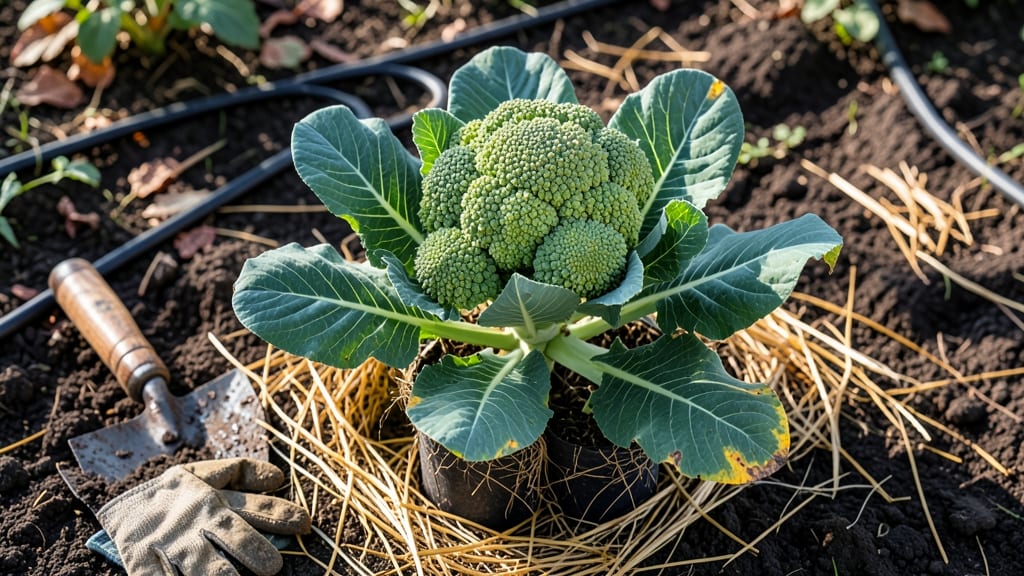
To plant a fall garden in Florida, start between mid-August and early October when temperatures dip into the 75–85°F range—too late and the heat zaps seedlings, too early and you’ll miss the sweet spot for harvests before winter.
Florida’s long growing season might trick you into thinking summer never ends—but savvy gardeners know fall is the perfect time to plant. The key is catching that narrow window when the sun still shines but the air cools enough for roots to establish without wilting.
Why does timing matter so much? Because a fall garden in Florida isn’t just about avoiding frost (there isn’t one in most zones)—it’s about beating the residual summer heat that turns seedlings into crispy snacks.
Plant too soon, and your broccoli bolts; wait too long, and your greens bolt before you get a bite.
In this guide, I’ll break down the exact region-specific deadlines for North, Central, and South Florida, the heat-tolerant crops that thrive in this transition, and how to stretch your harvests through winter with smart succession planting.
Florida’s fall planting deadlines by region (exact dates you can’t miss)
Florida’s fall planting season is a golden window for gardeners—just after summer’s brutal heat but before winter’s chill. Unlike northern states, Florida’s microclimates mean deadlines vary dramatically from North to South. Miss these dates, and you’ll either battle wilting heat or watch tender seedlings freeze (yes, even in Florida!).
For North Florida (USDA Zones 8a-8b), the ideal planting window stretches from mid-August to early October, with soil temps dropping below 85°F as the key trigger.
In Central Florida (Zones 9a-9b), you’ve got until late October, while South Florida (Zones 10a-11) can plant well into November—but watch for hurricane season disruptions.
Here’s the non-negotiable rule: Soil temperature must be 75-85°F for most seeds to germinate. Use a soil thermometer—if it’s hotter than 90°F, delay planting or opt for heat-tolerant varieties like okra or sweet potatoes.
Florida’s first frost dates are rare but possible in North Florida’s high elevations (think early December in the Panhandle). For Central and South Florida, frost is unlikely, but cool snaps can still stress young plants.
The safest bet? Plant cold-hardy crops like collards and kale by mid-October in North Florida.
🌱
| Region | USDA Zone | Last Heat-Tolerant Planting Date | First Frost Risk | Soil Temp Threshold (°F) | Top Crops for Late Planting |
|---|---|---|---|---|---|
| North Florida | 8a-8b | Early October | Early December (high elevations) | 75-85°F | Okra, Sweet Potatoes, Collards, Kale |
| Central Florida | 9a-9b | Late October | Rare (cool snaps only) | 75-85°F | Tomatoes, Peppers, Green Beans, Carrots |
| South Florida | 10a-11 | Mid-November | None (tropical) | 70-80°F | Winter Squash, Cucumbers, Basil, Lettuce |
🌡️ Pro Tip: Use row covers in North Florida to extend the season by 2-3 weeks.
If you’re in North Florida, prioritize fast-maturing crops like bush beans (ready in 50 days) or radishes (25 days). Central Florida gardeners can push the envelope with tomatoes and peppers, but plant them by mid-September for a fall harvest before temperatures dip.
For South Florida, the real challenge isn’t frost—it’s humidity and hurricanes. Plant heat-loving crops like cucumbers and squash in August-September, then transition to cool-season greens by October. Always have a backup harvest plan in case of storms.
Don’t overlook soil prep—Florida’s sandy soils drain too quickly. Amend with 2-3 inches of compost and mulch heavily to retain moisture. Drip irrigation is your best friend during fall’s unpredictable rains and dry spells.
Miss the fall planting window? No worries—Florida’s winter garden starts as early as December in South Florida. But for the best yields, stick to these deadlines. Your fall harvest will thank you!
✂️
Best heat-tolerant vegetables for Florida’s fall garden (avoid these mistakes)
Florida’s summer heat can linger well into September, making late-summer planting a high-stakes game. The key?
Choosing heat-tolerant varieties that thrive when soil temps hover around 80-85°F but won’t bolt or wilt as temperatures drop. Okra, sweet potatoes, and collard greens are my top picks for this tricky transition period.
Many gardeners mistakenly plant cool-season crops like lettuce or spinach too early, only to watch them bolt or fade under residual summer heat. The solution? Start with heat-loving staples that can handle the heat while prepping soil for cooler-season plants.
I’ll show you which varieties succeed and which fail—plus how to extend your growing season.
✅ DO Plant These Heat-Tolerant Varieties
| Vegetable | Why It Works | Best Planting Time |
|---|---|---|
| Okra | Thrives in 90°F+ heat; pods mature quickly | August–early September |
| Sweet Potatoes | Heat-hardy vines; stores well for winter | July–mid-September |
| Collard Greens | Tolerates 85°F+; sweeter after light frost | August–October |
❌ AVOID These Heat-Sensitive Crops
| Vegetable | Why It Fails | Wait Until |
|---|---|---|
| Lettuce | Bolts in 80°F+; bitter flavor | October (after heat breaks) |
| Peas | Stunted growth in heat; poor yields | November (cooler temps) |
| Radishes | Pithy, woody roots in heat | September (shade cloth helps) |
To extend your fall garden’s lifespan, focus on soil preparation before planting. Amend beds with compost or aged manure to improve drainage and retain moisture—a critical factor when daytime temps still flirt with 90°F.
I also recommend mulching heavily with straw or pine needles to keep roots cool and conserve water.
For container gardens, choose heat-resistant varieties like Malabar spinach or peppers, and place pots in partial shade during peak afternoon heat. Even a simple shade cloth (30-50% coverage) can prevent bolting in sensitive greens like kale or Swiss chard when planted in late August.
Pro tip: Monitor your soil temperature with a thermometer—ideal range for fall planting is 75-85°F. If it’s higher, delay planting or use row covers to protect seedlings. The goal is to beat the heat while setting up your garden for a long, productive fall.
By choosing the right crops and prepping your soil, you’ll avoid the common mistakes that turn Florida’s fall garden into a flop. Start with heat-tolerant stars like okra and sweet potatoes, then transition to cooler-loving crops as temperatures dip—your harvest will thank you! 🌱