
Tools
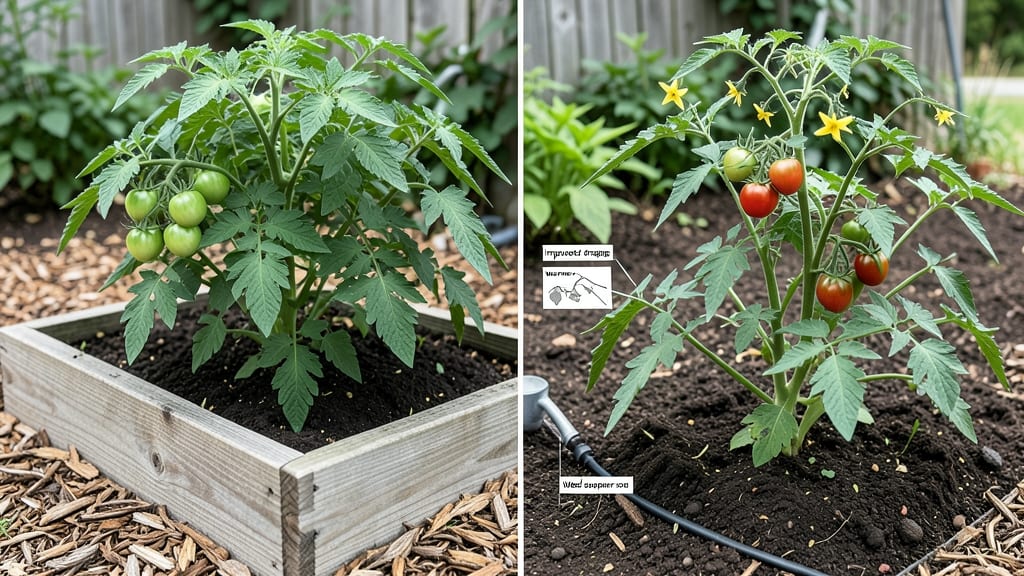
The advantages of raised garden beds include superior drainage, warmer soil, and better weed control, which improve plant health, increase yield, and reduce back strain for gardeners. Their customizable soil mix also supports root growth and pest prevention.
Raised garden beds transform gardening by giving you complete control over soil quality, which directly impacts plant vitality. 🌱 The elevated design prevents soil compaction—something common in traditional gardens—and allows roots to breathe freely, leading to stronger stems and healthier foliage.
Plus, the deeper soil layers let you grow root crops like carrots and potatoes with fewer issues, while the contained space keeps weeds at bay without constant tilling.
Another game-changer is temperature regulation. Wooden or stone beds absorb and retain heat better than ground soil, giving you a longer growing season—especially in cooler climates. This means you can plant earlier in spring and later in fall, maximizing your harvest potential.
The customizable soil mix is also a major perk: you can tailor it to your plants' needs, whether that's adding compost for nutrients or sand for better drainage.
💡 In This Article
- How Raised Beds Improve Soil Quality and Plant Growth
- Top 5 Ways Raised Garden Beds Boost Garden Productivity
How raised beds improve soil quality and plant growth
The secret to raised bed success lies in their soil aeration—unlike ground soil, which can become compacted over time, raised beds maintain loose, oxygen-rich layers that roots thrive in.
Studies show that compacted soil can reduce root growth by up to 40%, while raised beds keep soil fluffy and well-drained. This aeration boosts microbial activity, helping decompose organic matter faster and making nutrients more available to plants.
Temperature control is another game-changer. Wooden beds absorb sunlight during the day and release heat slowly at night, creating a 5-10°F warmer microclimate than ground soil. This extended warmth lets you plant 2-3 weeks earlier in spring and 2 weeks later in fall.
For example, in Zone 5 climates, raised beds can support warm-season crops like tomatoes until mid-October, while in-ground gardens might need to stop by early September.
Customizable soil mixes eliminate nutrient deficiencies common in native soil. A typical raised bed recipe blends 60% topsoil, 30% compost, and 10% perlite or sand—this balance ensures proper drainage while retaining moisture.
For heavy feeders like peppers, you might add 1 cup of bone meal per square foot at planting time, while leafy greens benefit from aged manure for nitrogen. The result? Plants grow 20-30% faster with fewer yellowing leaves.
Root crops like carrots and potatoes face fewer obstacles in raised beds because there's no hardpan (compacted subsoil) to hit. In traditional gardens, carrots often grow stunted or forked when they encounter resistance, but in 12-inch-deep raised beds, they can reach their full length—sometimes 8-10 inches—without issues.
The deeper soil also accommodates larger root systems, like those of asparagus or rhubarb, which need 18-24 inches of growing space.
Weed suppression is another underrated benefit. The contained space means fewer weeds creep in from surrounding areas, and mulching the top layer (with straw or wood chips) blocks sunlight from weed seeds.
This reduces weeding time by 70% compared to in-ground gardens. Plus, the elevated design keeps gardeners from kneeling, reducing back strain—a major perk for those with mobility concerns.
Consider the sensory difference: raised beds smell fresher because excess water drains away immediately, preventing that damp, musty odor from stagnant ground soil. The texture of the soil is consistently crumbly, not clumpy, making it easier to work with—no need to fight through tough patches.
And when you harvest, the clean, well-drained soil means vegetables stay dirt-free, ready to enjoy straight from the bed.
For urban gardeners with limited space, raised beds maximize vertical growth too. You can stack them or build them taller to grow more in less footprint. The key is starting with high-quality soil and maintaining it—adding compost annually keeps the soil structure optimal for years to come. 🌱