
Pests
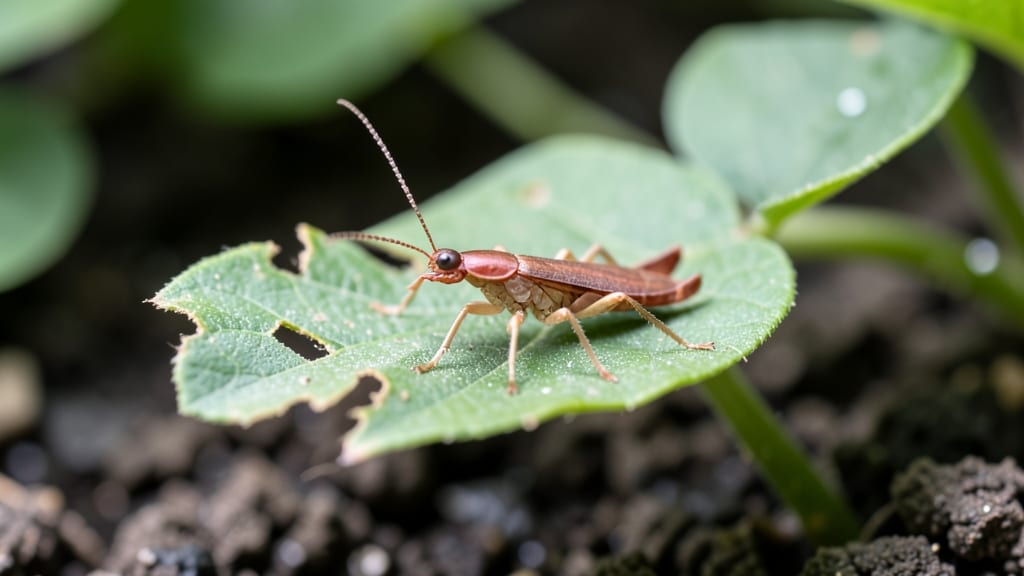
Earwigs aren't inherently bad for gardens—they primarily help by consuming decaying plant matter and soft-bodied pests like aphids while rarely causing significant damage to mature plants. Their occasional nibbling on seedlings is usually minor compared to the pest control they provide.
Earwigs actually play a helpful role in many garden ecosystems by breaking down organic debris and keeping pest populations in check. 🌱 Their diet includes decaying leaves, fungi, and small insects, which means they're more likely to benefit your garden than harm it.
However, their occasional interest in young plants can be frustrating when you're nurturing new growth—though the damage is typically superficial compared to what they prevent.
If you notice an earwig overpopulation, the key is to create an environment where they're less likely to linger. Simple adjustments like removing excess mulch or debris and using non-toxic deterrents can make a big difference without harming your plants or the beneficial insects that share your garden space.
💡 In This Article
- Earwig Diet and Their Role in Garden Ecosystems
- Managing Earwig Populations Without Harming Plants
Earwig diet and their role in garden ecosystems
Earwigs are often misunderstood as garden pests, but their diet actually makes them beneficial allies.
These nocturnal insects primarily feed on decaying plant matter, fungi, and soft-bodied insects like aphids, mites, and small caterpillars. 🌿 Their scavenging habits help break down organic debris, returning nutrients to the soil through their waste—a natural form of composting that improves soil health.
Studies show they can consume up to 50-100 aphids per night, making them effective biological pest controllers in your garden.
Their predation habits extend beyond just aphids. Earwigs also target mealybugs, thrips, and even small snails, which can be problematic for gardeners.
Their chewing mouthparts are perfectly adapted for breaking down soft plant tissues, but they rarely cause significant damage to mature plants. 🦗 The key is understanding that their occasional nibbling on young seedlings or flower petals is usually minimal compared to the pest populations they help regulate.
In fact, their presence often indicates a healthy garden ecosystem where natural predator-prey relationships are active.
What makes earwigs particularly valuable is their role in the decomposition process. They thrive in moist environments where they break down fallen leaves, dead plant material, and even animal carcasses.
This activity accelerates nutrient recycling, which benefits your garden's overall health. 🍃 Their contribution to soil aeration is another often-overlooked benefit—their burrowing helps improve soil structure, allowing water and air to penetrate more effectively. This is especially helpful in dense or compacted soil where plant roots struggle to establish.
However, there's a nuance to consider: earwigs prefer environments with high humidity and organic matter. While this makes them great decomposers, it also means they may become more noticeable—and potentially problematic—when conditions are ideal for them.
During warm, wet seasons, their populations can explode, leading to visible damage on young plants or flowers. The damage typically appears as small, irregular holes or notches along leaf edges, which is how you might first notice their presence.
To put this into perspective, imagine your garden as a complex ecosystem where every creature plays a role.
Earwigs are like the cleanup crew and pest control officers combined. 🌱 They don't have the same destructive potential as caterpillars or beetles, but their ability to keep populations of smaller pests in check makes them a valuable component of natural garden balance.
The occasional plant damage they cause is usually outweighed by the benefits they provide to your garden's overall health and biodiversity.
For gardeners concerned about earwig activity, the key insight is that these insects are generally more helpful than harmful. Their presence often signals a thriving ecosystem where natural pest control is already at work.
The challenge isn't eliminating them entirely, but rather creating conditions where their benefits outweigh any minor inconveniences they might cause. This balanced approach aligns perfectly with sustainable gardening practices that prioritize ecological harmony over chemical interventions.