
Container Gardens
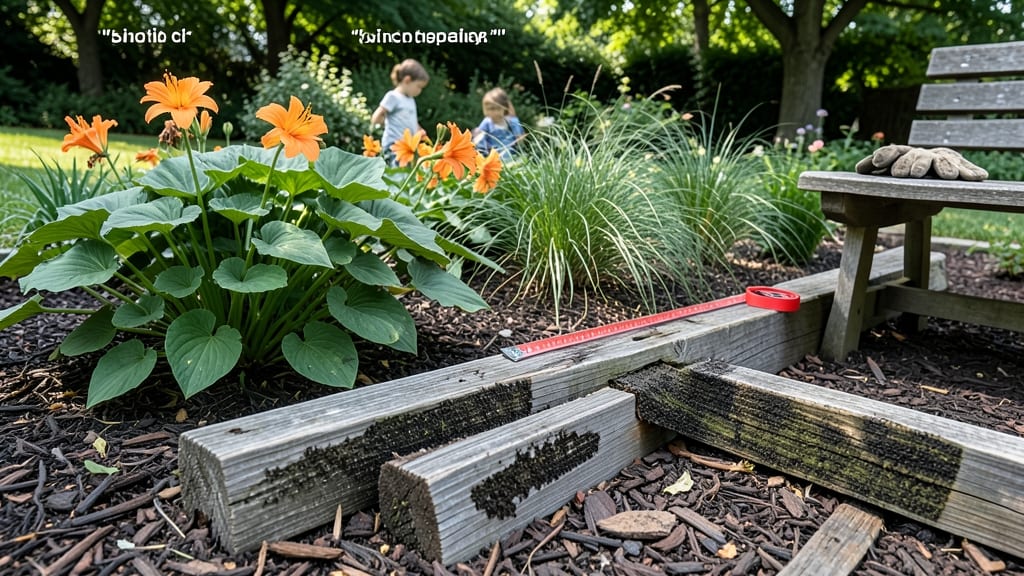
Railroad ties are not safe for gardens because they contain creosote and pentachlorophenol (PCP) chemicals that leach into soil, poisoning plants, pets, and humans over time. Choose untreated wood, composite materials, or metal borders instead.
Using railroad ties in gardens exposes your soil to dangerous chemicals like creosote, which can persist for years and disrupt plant growth. 🌱 The Environmental Protection Agency (EPA) classifies PCP as a probable human carcinogen, making it particularly hazardous for children and pets who might come into contact with contaminated soil.
Even if buried, these chemicals can migrate through soil and potentially reach groundwater, creating long-term ecological damage.
For a safer approach, consider untreated cedar—naturally rot-resistant and free from toxic treatments—or composite lumber made from recycled materials. Natural stone borders add durability and a rustic aesthetic, while metal options like wrought iron provide long-lasting structure without chemical risks.
Each alternative offers different benefits, from cost-effectiveness to eco-friendliness, so choose based on your garden's specific needs.
💡 In This Article
- Chemicals in Railroad Ties: Toxicity and Environmental Impact
- Safe Garden Border Alternatives to Railroad Ties
Chemicals in railroad ties: toxicity and environmental impact
Railroad ties undergo pressure treatment with creosote and pentachlorophenol (PCP), two chemicals designed to resist rot and insects. Creosote, a tar-like oil derived from coal, contains polycyclic aromatic hydrocarbons (PAHs) that are known carcinogens.
PCP, a wood preservative banned in many countries, is classified by the EPA as a probable human carcinogen. When buried in garden soil, these chemicals don't stay put—they slowly leach into the ground, contaminating up to 6 feet deep over time.
The real danger lies in how these toxins interact with your garden ecosystem.
Plants absorb PCP through their roots, leading to stunted growth, yellowing leaves, and even death in severe cases. 🌱 Studies show that creosote can persist in soil for decades, with some compounds taking 10-20 years to break down naturally.
The chemicals also disrupt beneficial soil microbes, reducing nutrient availability and creating an inhospitable environment for roots. Even worse, if your garden borders a water source, these toxins can migrate through soil particles and contaminate groundwater.
For pets and children, the risks are even more immediate. Direct contact with railroad ties or contaminated soil can cause skin irritation, respiratory issues, or even long-term health effects like liver damage. The EPA estimates that PCP exposure increases cancer risk by up to 30% over a lifetime.
What's alarming is that these chemicals don't just affect the immediate area—they can spread through soil particles carried by wind or water, putting neighboring plants at risk too.
Here's what happens at a molecular level: PCP breaks down into dioxins, which are among the most toxic substances known. These compounds bind to soil particles and become nearly impossible to remove. Meanwhile, creosote's PAHs create a hydrophobic barrier that repels water, preventing proper soil aeration and root penetration.
The result? Your garden becomes a toxic zone where nothing grows well, and the damage can last for generations.
Consider this real-world example: In the 1970s, many urban gardens used railroad ties as borders. Decades later, soil tests in these areas still show elevated levels of PAHs and PCP. The lesson? What seems like a durable, low-cost solution today could become an expensive environmental liability tomorrow.
The chemicals don't disappear—they just become someone else's problem, whether that's your family, pets, or the local ecosystem.
If you're dealing with existing railroad ties in your garden, the safest course is removal and proper disposal through hazardous waste channels. Simply covering them with soil won't stop the leaching process—it just buries the problem deeper, where it can still affect groundwater quality. 💫